


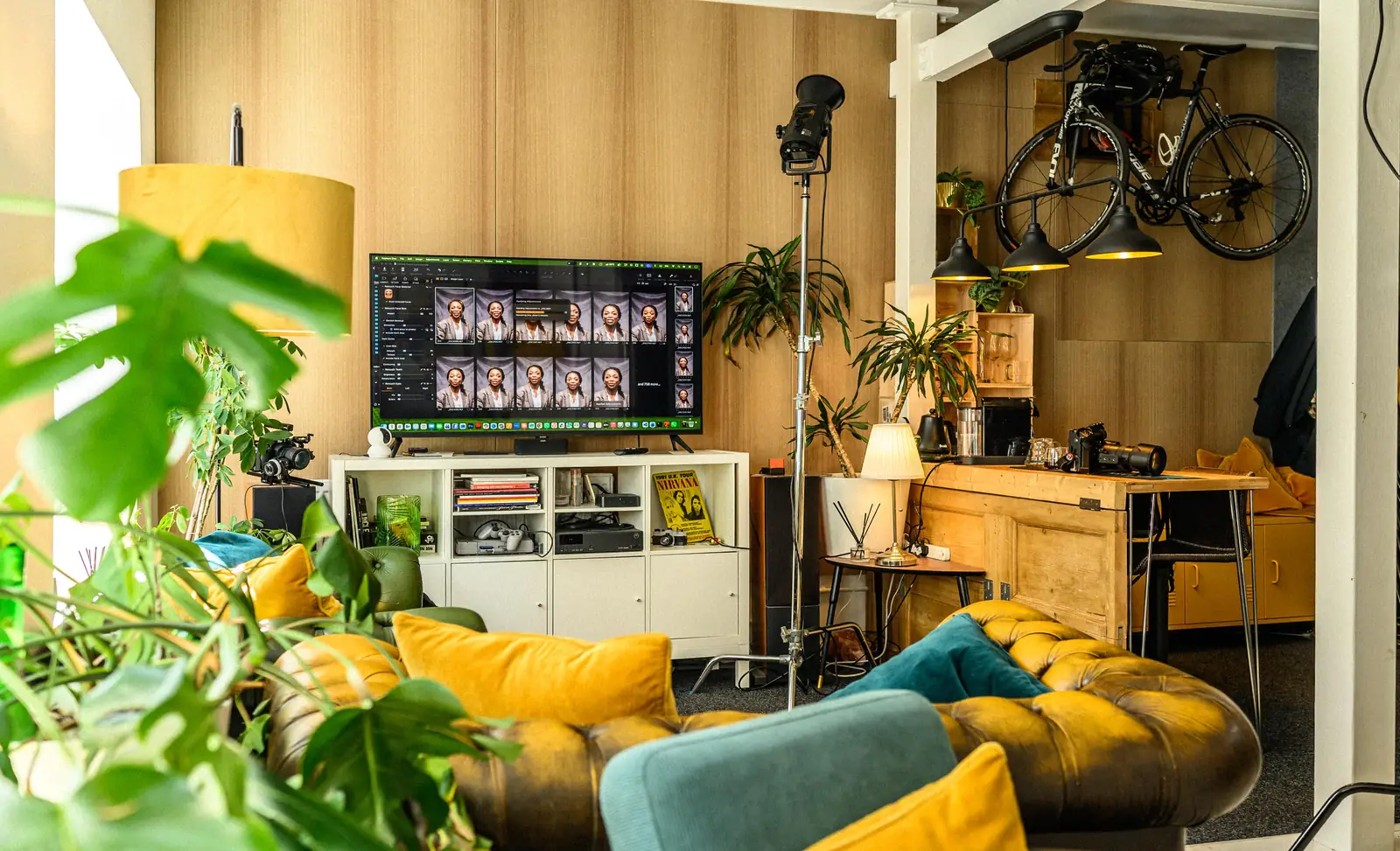
Most people ask the same question after a shoot, usually within a day or two: when do we get the pictures? The honest answer is that it depends on what you booked, how much retouching the images need, and how quickly you can say yes to a selection. This guide sets out realistic photo turnaround times for headshots, events and commercial work, where the hours actually go after the shutter closes, and what you can do before the shoot to get your images back sooner.
The short version: proofs within a day, basic edits within a few days, and polished retouching or larger commercial jobs around a week or more. If you need images faster than that, say so when you book. Rush slots exist at most studios, but only if you ask before the shoot rather than after it.
Typical photo turnaround times by type of shoot
A single headshot session behaves very differently from a conference or a forty-product catalogue, so it helps to know roughly where your job sits before you start checking your inbox.
Headshots and portraits
These are the fastest category. Proofs usually appear the same day or the next working day, and basic colour and exposure work follows within a couple of days. At Dock Street Studio, retouched headshot images are delivered within 48 hours once you have made your selects, which is quicker than many people expect for a session from £95. If you are curious about the session itself, our guide to how long headshots take covers the shoot side of the clock.
Events
Event photography works differently. You may get a small set of highlights within a day or two for social media, while the fully edited gallery takes longer because we are culling hundreds or thousands of frames rather than a few dozen. We wrote separately about press photo turnaround, where the deadline is the story itself.
Commercial and product shoots
Colour accuracy matters more here. A wrong white or an off brand colour can derail a whole catalogue, so product photography usually involves a quality check and a client sign-off stage before anything is called final. That review loop, more than the editing itself, is what stretches a job from days into a week or two.
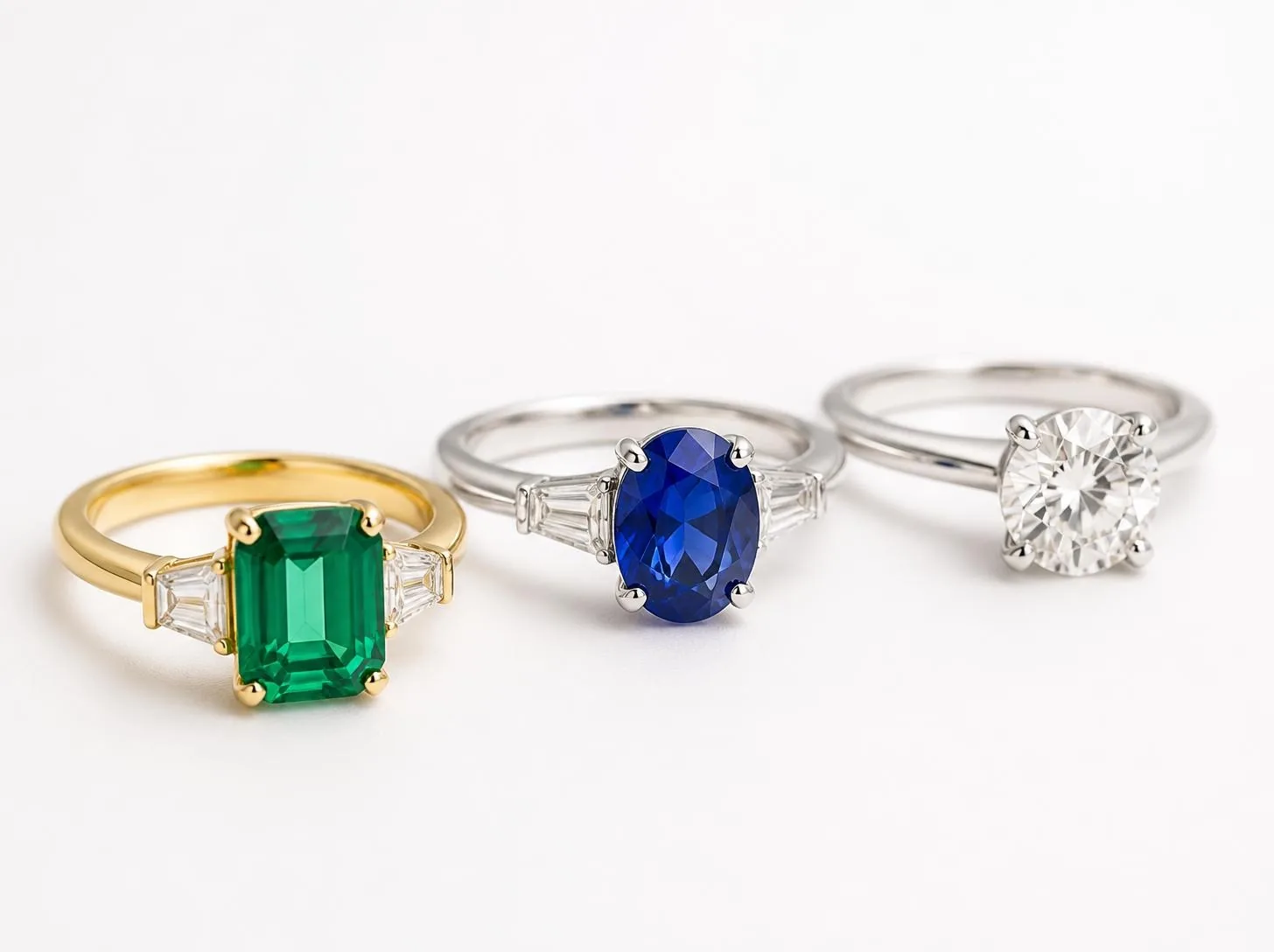
- Headshots and portraits: proofs same or next working day, retouched finals within a few days (48 hours for our studio headshots).
- Events: highlights within one to two days, full curated galleries later depending on volume.
- Commercial and product: colour management, quality checks and sign-off commonly add several extra days.
- Commissioned paintings: a different thing altogether, and far slower.
That last point is worth separating out, because people sometimes compare a photography turnaround to a painted commission and assume they are similar undertakings. They are not. Commissioned portrait paintings typically take several weeks to a few months, because the work is made by hand in sequence rather than processed in batches. Photography, even at its most detailed, runs on a different clock.
Where the time goes after the shoot
Every image passes through the same broad stages, but each one eats a different amount of time. Knowing which stage is the bottleneck helps you set sensible expectations with any studio.
- Culling. We sort through every frame to pick the keepers. A headshot session might produce 40 to 60 frames; an event can produce thousands. The larger the volume, the longer this takes, and it happens before any editing starts.
- Editing. Colour correction, exposure balancing and cropping come next. These adjustments can usually be applied in batches, which is why basic edits can be turned around quickly once culling is done.
- Retouching. Skin work, object removal and compositing happen frame by frame. This is the slowest stage by a wide margin, because each image needs individual attention rather than one applied setting.
Because retouching is so much slower than editing, we run a tiered workflow: quick proofs or lightly edited images first, then dedicated time for the handful of images that need full retouching. That staggered approach, where proofs arrive first and final retouched files follow, lets you start using web-ready images straight away while the detailed work finishes on the ones that have to look flawless. Our piece on the difference between editing and retouching goes into where that line sits.
Rush options and how the pricing works
If your deadline is tight, say so when you book, not after the shoot. Rush services exist because some clients need images faster than the standard window, but a studio needs notice to allocate the time properly. A photographer who has already scheduled retouching for three other clients cannot drop everything the day before your launch.
- Rush requests almost always carry an extra cost, because someone has to prioritise your job over others already in the queue.
- Ask for a written delivery commitment with a date and time, rather than a vague “within a few days”.
- Give your deadline, required file formats and intended use (print, web, LinkedIn, a press release) at the point of booking, so the editor knows what to prioritise.
- Agree how quickly you will give feedback once proofs arrive. A slow sign-off on your side can undo a fast turnaround on ours.
Agree your sign-off window in writing before the shoot, not after you see the proofs. A rush delivery means nothing if the feedback sits in an inbox for three days.
Delivery formats, review rounds and version confusion
How your images arrive matters almost as much as how fast they arrive. Most clients receive images through an online gallery or a one-off download link, and the choice affects both speed and clarity.
- Online galleries keep every version in one place, make it easy to attach feedback to specific images, and avoid a mess of email attachments with similar file names.
- One-off transfer links are simpler for a small batch but offer no way to track comments or revisions once the link expires.
- Most studios include one or two review rounds in the price. Extra rounds beyond that will extend your turnaround however fast the studio works.
- Agree up front whether files are labelled by date, shoot name or client reference. It prevents the classic problem of three people editing three different “final” versions.
A central gallery, where comments, selects and final files stay attached to the same project, produces faster approvals than scattered email threads. The shoot itself sets up a smoother delivery too; our guide on studio lighting and what matters on the day touches on why.
How we plan shoots so delivery is quick and predictable
Most delays in photography do not come from the camera work. They come from unclear briefs, unexpected reshoots, or feedback that arrives in three scattered emails instead of one clear round. We build our planning around removing exactly those problems.
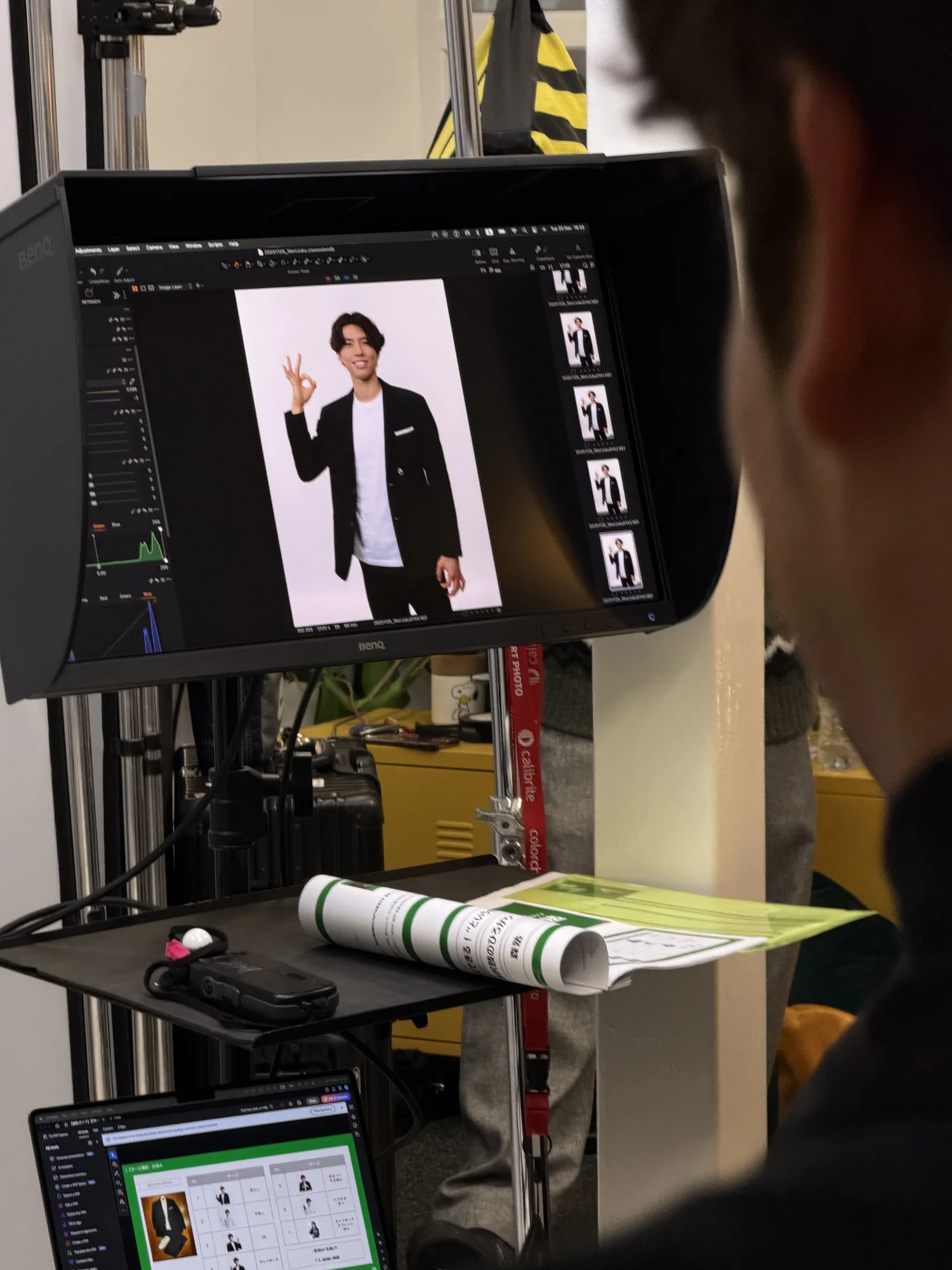
Every booking starts with a clearly defined brief and shot list, agreed before anyone picks up a camera. We shoot tethered into Capture One, so frames appear on a calibrated screen as we go and a shortlist can often be agreed in the room, while the subject is still standing there, rather than by email the following week. That upfront clarity means less time working out what you actually want during the shoot, and far fewer surprises at the editing stage.
- Retouched headshots are delivered within 48 hours once the brief and selects are confirmed.
- Proofs are staged ahead of final retouched files, so you can start using web-ready images while the detailed retouching continues.
- A relaxed, well-prepared studio tends to produce fewer retakes, which keeps the whole project moving rather than stalling at the shoot itself.
How you can speed things up: before, during and after
You have more control over your own turnaround than you might think. Most delays trace back to decisions made before or after the shoot, not during it.
- Prepare a brief and a prioritised shot list before you arrive, so we know what matters most if time runs short.
- Agree file types, resolution and final usage at booking, whether that is print, web, LinkedIn or a press pack, so nothing has to be redone later.
- Make your selects quickly, ideally within a day or two of receiving proofs, and bundle your feedback into one structured round rather than sending corrections piecemeal.
- Ask about express delivery at booking and get the exact date in writing, not a rough estimate.
A one-page brief with three or four priority shots does more to speed up delivery than any rush fee. Our brief template and guide to briefing a photographer both walk through how to put one together.
The trade-off between speed and quality
Every very short deadline takes time from somewhere, usually retouching and quality control, because those stages cannot be rushed without it showing in the final image. A realistic timeline is not a sales tactic. It protects the result you are paying for.
Clients who plan ahead, especially for campaigns or images that need to work at several sizes and in print, end up with more usable assets. Building a sensible buffer before a launch date costs very little and saves you from asking for compromises on quality when the deadline tightens unexpectedly.
Frequently Asked Questions
What is a normal turnaround time for photos?
For most commissioned photography, proofs arrive the same or next working day, with basic edits following within a few days. Retouched finals and larger commercial jobs can take a week or more depending on volume and the amount of detailed retouching required.
How long does it take to get headshots back?
At Dock Street Studio, retouched headshots are delivered within 48 hours of you confirming your selects. Events and commercial shoots take longer because of higher image volumes and extra sign-off steps.
Can I pay for a faster turnaround?
Usually, yes, but ask at the point of booking rather than after the shoot. A rush slot has to be built into the schedule, and it typically carries an additional cost.
What is the “20/60/20 rule” in photography?
The term is used in two different ways, so check which one a photographer means. One common use is a compositional guideline for balancing visual weight across a frame, while other sources apply the same numbers to shoot-time planning rather than composition.
Do commissioned paintings take longer than photography?
Considerably. Commissioned portrait paintings typically take several weeks to a few months depending on scale and detail, because the work is made by hand in sequence rather than processed digitally in batches.
Where is the studio and how do I book?
Dock Street Studio is at Unit 9, 30–38 Dock Street, Leeds LS10 1JF, near Leeds Dock and a short walk from the train station, with parking onsite. Book online, email hello@dockstreetstudioleeds.co.uk, or call 0113 4400102.
Book a shoot with a deadline attached
If your next shoot has a date it must hit, the planning matters as much as the camera work. We build every booking around a clear brief, which is what makes a 48-hour retouch turnaround realistic rather than a figure pulled from thin air.
- LinkedIn Express, Quick-Fire Spotlight and In-Depth Portrait headshot sessions, from £95, for people who need polished images quickly.
- Commercial and product shoots, where colour accuracy and sign-off are built into the schedule from the start: see our commercial photography.
- Studio hire, from a half day to a full day, for clients who want control of their own shoot schedule: check studio hire options.
Mention any deadline when you enquire so it is built in from day one. Book online, email hello@dockstreetstudioleeds.co.uk, or call 0113 4400102.
Sources
- Commissioning info — Anna Bregman Portraits
- How I manage client projects from shoot to delivery — Simon Songhurst
- How to use the 20-60-20 rule in photography — Greg Cee
Related reading
Written by Mark Wheelwright
Commercial photographer & studio owner, Leeds | ISO Photographic Ltd
Dock Street Studio, Unit 9, 30–38 Dock Street, Leeds LS10 1JF
18+ years’ experience | 900+ projects | 300+ five-star reviews | 1M+ shutter count
dockstreetstudioleeds.co.uk
Shot, written and built by the Dock Street team
Every guide on this blog comes from the team at Dock Street Studio — Mark behind the camera with 18+ years' experience, Nicole on styling and lighting, Beya on video and bookings and Austin keeping the site fast and findable. If you'd rather have us do it than read about it, book a session or explore our photography services in Leeds.