


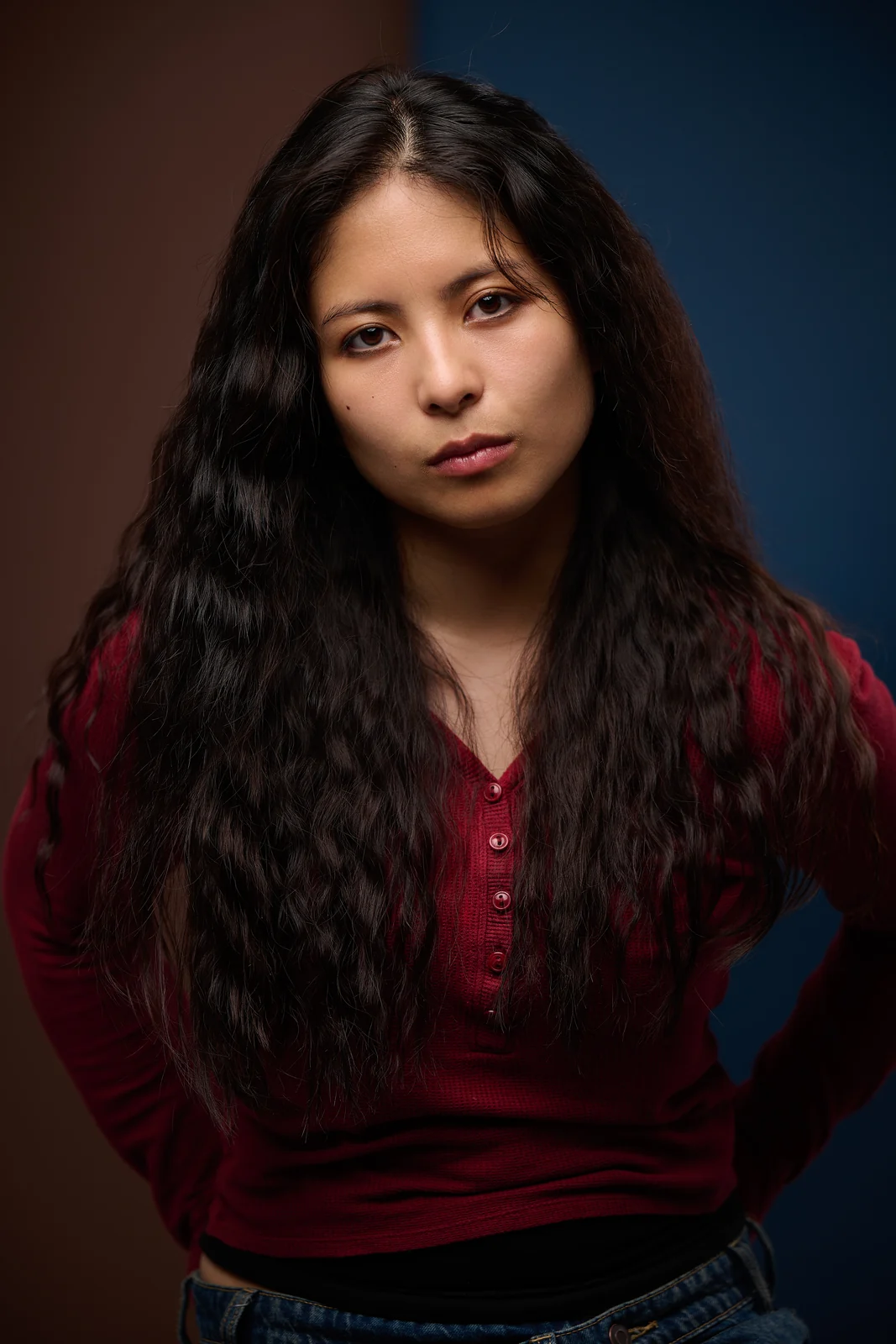
“Some nice photos for the website” is where a lot of shoots start to wobble. It sounds generous, and photographers do like room to work, but it leaves every real decision until shoot day, when the clock is running and half the team is standing about waiting. Knowing how to brief a photographer takes about twenty minutes of thinking, and it saves a great deal more than that.
A brief doesn’t need to be a polished document. It needs to answer a handful of honest questions: what the pictures are for, who or what is in them, when you need them, and what good looks like to you. Answer those and we can plan the lighting, the running order and the timings before you set foot in the studio. Leave them open and we spend your paid session working them out together.
Start with the job the photographs need to do
Before anyone talks about backdrops or lighting, tell us where the pictures are going to live and what you want them to do once they are there. That one answer changes almost everything about how we shoot.
An independent Leeds food brand needs bright, consistent product shots that make ordering online feel easy. A professional services firm needs portraits where its people look credible without looking stiff. An actor needs headshots that still look like them on the day they walk into a casting room. Same studio, three completely different jobs.
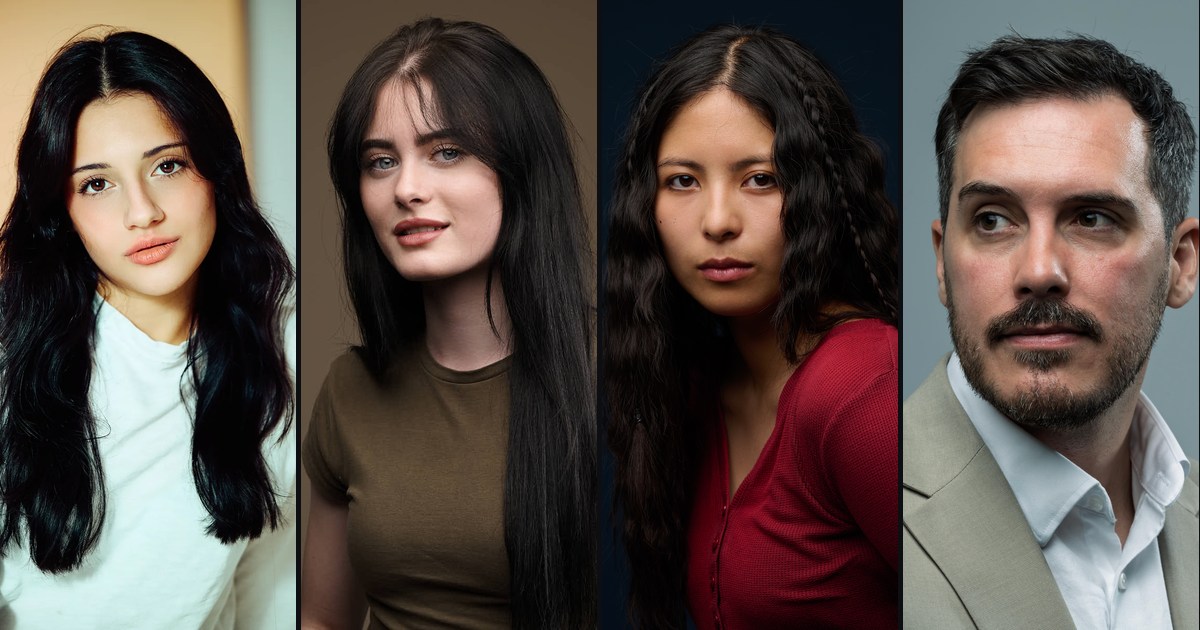
So say the main purpose out loud. Website refresh, press release, LinkedIn, print brochure, ecommerce listing, annual report, social. One shoot can usually serve several of those, but we need to know which one matters most, because that is the one we protect when time gets tight. A banner image needs empty space for text. A marketplace listing needs a specific crop. Editorial work needs wide, medium and close versions so a designer has options.
If the real aim is more enquiries, or making a complicated product easier to understand, or simply showing that there are humans behind the logo, say that too. It is a far stronger brief than asking for high-resolution files.
How to brief a photographer on your brand
We do not need a brand workshop. We need a rough sense of character. Send the website, a couple of social accounts, a brochure, or three adjectives that feel right. Practical, premium, playful, quietly confident, technical, handmade, straightforward. Any of those tells us something useful.
What you do not want is often more useful still. Your current pictures feel too corporate. Too dark. Too polished. A bit generic. You are tired of team photos with everyone pressed flat against a white wall. Those sentences steer real decisions before we move a single light.
Reference images, used properly
References help, with one caveat. Use them for mood, composition or colour, not as an instruction to recreate another company’s campaign frame for frame. “We like the soft window light and the relaxed expressions here” is worth a paragraph of description. A folder of fifty saved images with no note attached is not.
Be realistic while you are at it. A clean portrait in soft daylight and a fully styled set can both be excellent. They are not the same job, and they do not cost the same. We would rather talk it through properly at the enquiry stage than surprise you later.
Be specific about who and what we are photographing
The more accurate your subject list, the smoother the day. This is the part of a brief that most often gets skimmed, and it is the part that most often costs time.
Products
Send a list of every item: colours, sizes, variants, and anything that needs showing in use. Tell us whether the packaging is final, whether anything is fragile, and whether any surfaces mark or reflect. Black bottles, glassware and polished jewellery all need more care and more time than a cotton tote bag. If you are planning product and ecommerce work, that list is the single most useful thing you can send us in advance.
People
Names, job titles and a realistic headcount. Flag anyone who is nervous, anyone who only has ten minutes, anyone who needs an accessibility adjustment, and anyone who has to be photographed in uniform. Nerves are genuinely not a problem. You do not need to arrive knowing how to pose. That is our job, and it is most of what we do during a team headshot session. A diary clash is the real problem. We can direct anybody through a portrait, but we cannot photograph somebody who has been pulled into an unexpected meeting.
Events
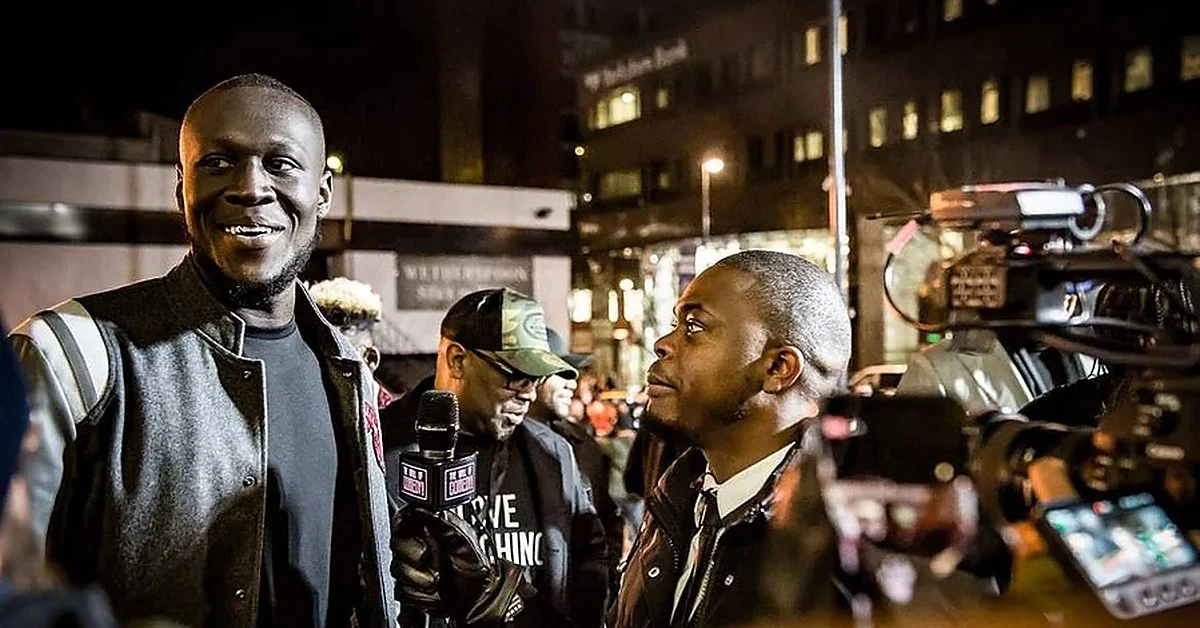
List the moments that cannot be missed. The keynote, the award handover, the sponsor branding, the ribbon cutting, the one guest who is only in the building for half an hour. Capture the atmosphere is a fine instruction alongside that list. It is not a substitute for it.
Agree the must-have shots, then leave room for the rest
A shot list earns its keep when there are specific deliverables, which usually means ecommerce, PR or event coverage. Keep it to what is genuinely required rather than trying to script every frame.
A good list reads something like this: founder portrait, full team, individual headshots for five directors, the building exterior, staff at work, and a few horizontal frames with clean space for website copy. That is a clear plan. It also leaves us free to notice a better moment when one turns up, which it usually does somewhere around the second coffee.
If a designer has a fixed layout, share it beforehand. A landscape frame with the subject sitting to one side is easy to shoot on purpose and painful to crop out of something else afterwards. Put the list in priority order, too. If we lose twenty minutes to traffic or a late arrival, everyone already knows what gets done first. We work through the essentials early and spend whatever is left on variations and the looser, more informal frames.
Get the dull practical details down early
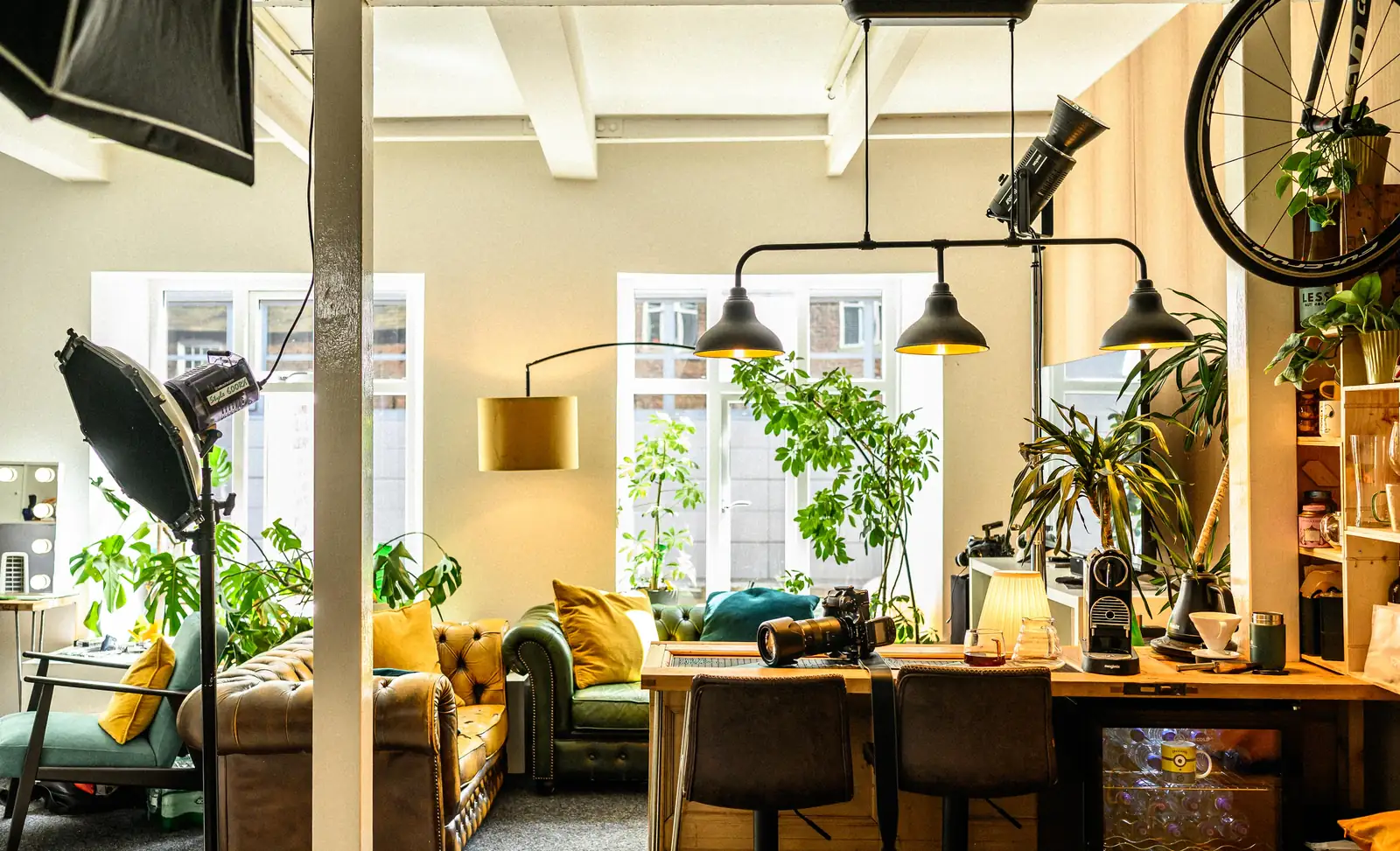
This is the unglamorous half of the brief and it prevents most of the problems. Date, start and finish times, full address, the name and mobile number of whoever is on site, parking, loading, access codes, and whether there is actually somewhere sensible to work.
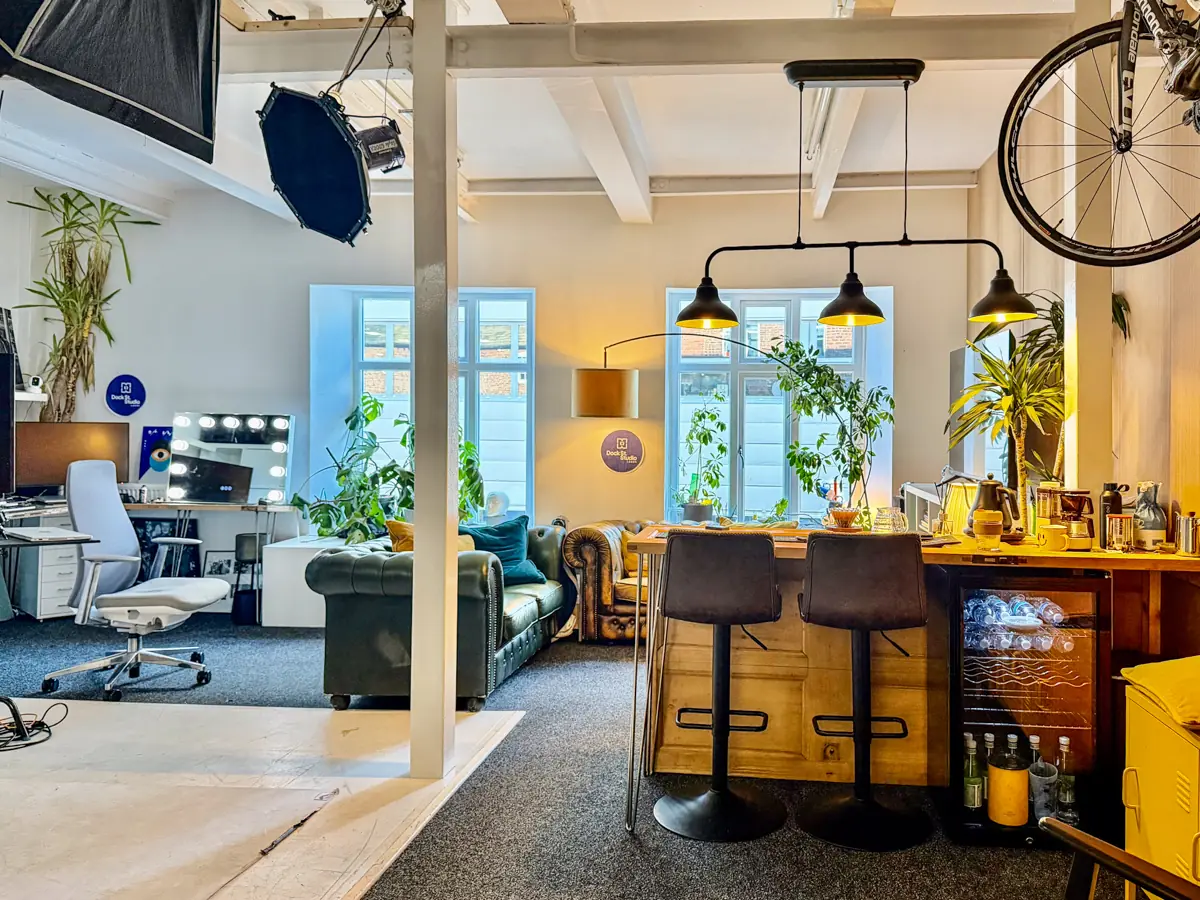
If we are coming to you, tell us about the daylight, the ceiling height, the noisy corner, the busy corridor and any site induction we need to sit through. If you are coming to us, tell us what you are bringing. Products, props, samples, wardrobe changes, pull-up banners and laptops all take time to unpack. If you want a particular backdrop, a specific lighting style, or video alongside stills, mention it when you book rather than on the morning.
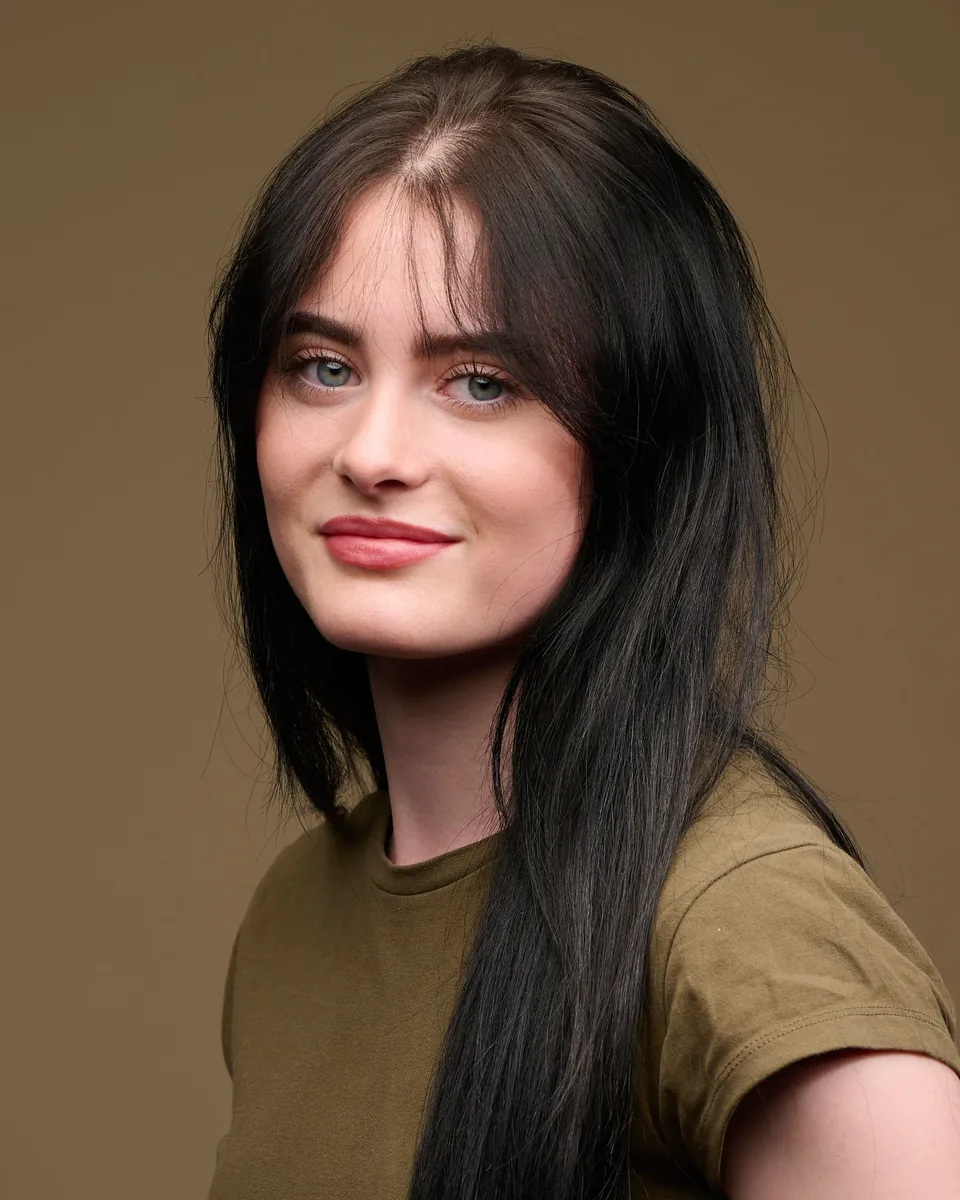
Clothing is worth two minutes of conversation for headshots and team portraits. Plain colours and simple layers photograph well. Tiny checks, loud logos and heavily creased shirts fight the camera. There are honourable exceptions: a chef in proper whites or a maker in a branded apron may be exactly the story you want telling. Our note on what to wear for headshots goes further, and it is easy to forward round a team.
Say what happens after the shoot
Do not leave the back end of the job vague. Tell us where the images are going, whether you need portrait and landscape versions of the same setup, and if anything has a specific file requirement. Websites, print adverts and press submissions rarely want the same crop or the same resolution.
Give us a real deadline. As soon as possible is impossible to plan around. Five edited images for a press announcement by Thursday, full gallery the week after, is workable, and we can build the shoot around it. If the deadline is tied to a launch or an exhibition, we need to know before the shoot rather than after.
Then decide who approves the final selection. One person collecting everyone’s views is far quicker than five people emailing separate comments. If brand, legal or compliance need to sign off, build that into the timetable now. We have watched good work sit in an approval loop for a fortnight because nobody planned for it.
Be honest about the budget
A quote is shaped by more than the hours with a camera in hand. Preparation, studio time, lighting, styling, an assistant, retouching, travel, licensing and the number of final images all move the number. Sharing a range is not a trap. It lets us tell you the best use of it.
If money is tight, we will usually suggest a shorter session, fewer setups, one location, or a firm priority list. If you need a steady supply of images through the year, planning several uses into one longer day is normally better value than booking ad hoc sessions every few weeks. For most small teams that is the lower-risk option. What we cannot do is squeeze a full lifestyle campaign into an hour without something giving way, and we would rather say so at the start.
Treat the brief as a conversation
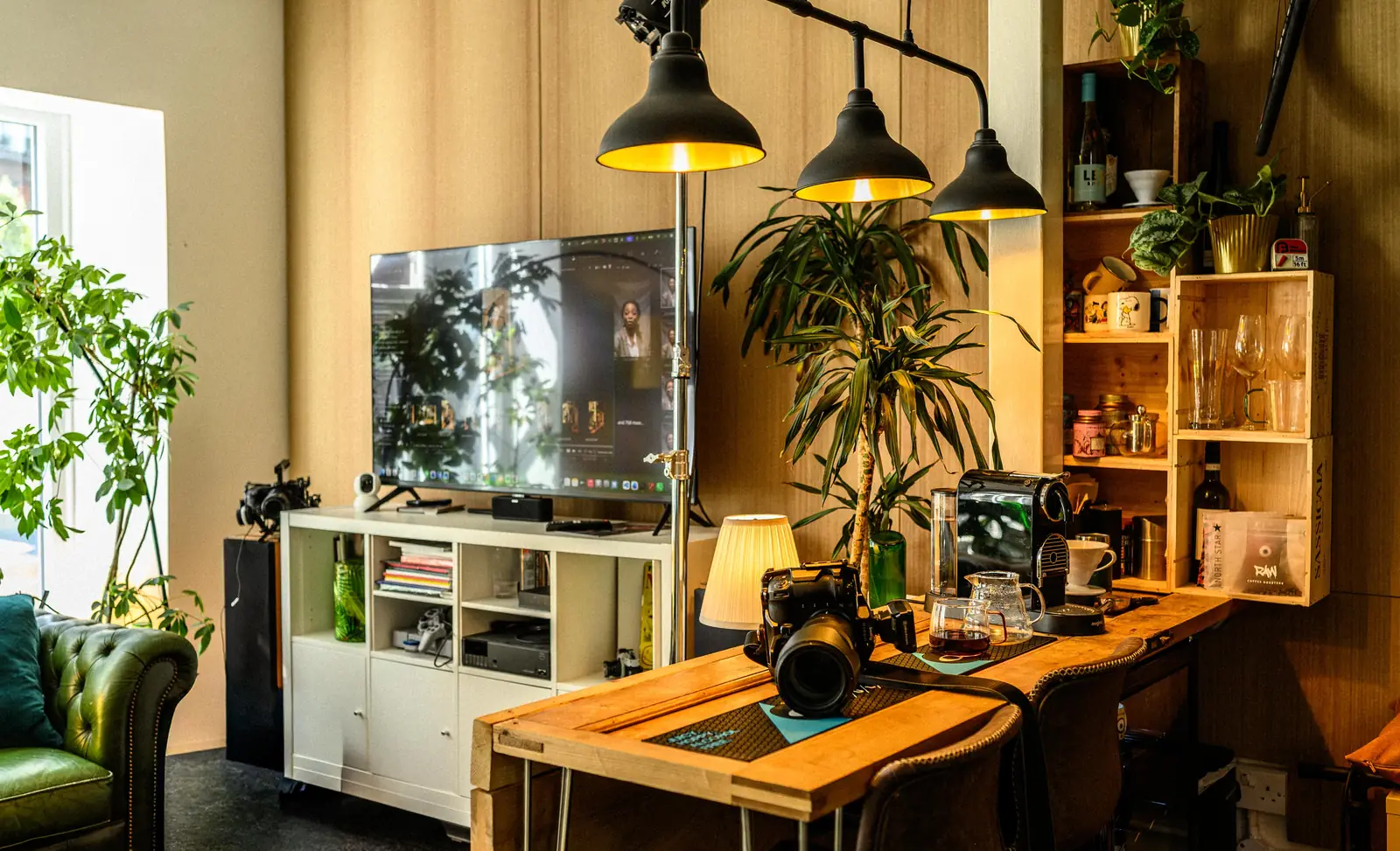
The best briefs do not get handed over and filed. They start a conversation. We will ask the awkward practical questions that are easy to miss from your side. Will the products actually arrive in time? Is the office tidy enough to appear in the background? Has the spokesperson got ten minutes or an hour? What happens to the outdoor half of the day if the weather turns, which in Yorkshire it can do between one coffee and the next?
Our job is ideas, technical knowledge and calm direction. Yours is the commercial context, the non-negotiables and an honest view of what success looks like. Put those together and shoot day stops feeling like a gamble and starts feeling like a planned piece of work.
If you are not sure where to start, write down five things: purpose, audience, must-have shots, deadline, and any examples you like. That is plenty for a first proper chat over a brew. If you would rather work from something structured, our brief template for editorial shoots is a decent skeleton for almost any commercial job.
Frequently Asked Questions
How long should a photography brief be?
One page is usually plenty. Purpose, audience, subjects, must-have shots, deadline and budget range will cover most commercial shoots. Anything longer tends to repeat itself.
What if I do not know what I want yet?
That is normal and it is fine. Tell us the problem you are trying to solve and we will ask the questions that turn it into a plan. Working out the brief together is part of the job.
Do I need a shot list for a headshot session?
Rarely. For headshots we mainly need the headcount, the timings and a sense of how formal the results should feel. Shot lists earn their keep on product, PR and event work.
Can I change the brief on the day?
Small changes, yes, and we expect a few. Adding a whole new setup or another ten people usually needs more time, so tell us as early as you can and we will say honestly whether it fits.
What if my budget will not cover the whole brief?
Say so early. We will cut the brief back to the images that will actually earn their keep rather than doing everything a bit thinly. That conversation is much easier before the shoot than after it.
Where is the studio and how do I book?
Dock Street Studio is at Unit 9, 30–38 Dock Street, Leeds LS10 1JF, in central Leeds near Leeds Dock and a short walk from Leeds train station, with parking onsite. Book online, email hello@dockstreetstudioleeds.co.uk, or call 0113 4400102.
Talk your shoot through with us in Leeds
Send us a few lines about what the pictures need to do and we will tell you what we would need to make them work. Book online, email hello@dockstreetstudioleeds.co.uk, or call 0113 4400102.
Written by Mark Wheelwright
Commercial photographer & studio owner, Leeds | ISO Photographic Ltd
Dock Street Studio, Unit 9, 30–38 Dock Street, Leeds LS10 1JF
18+ years' experience | 900+ projects | 300+ five-star reviews | 1M+ shutter count
dockstreetstudioleeds.co.uk
Shot, written and built by the Dock Street team
Every guide on this blog comes from the team at Dock Street Studio — Mark behind the camera with 18+ years' experience, Nicole on styling and lighting, Beya on video and bookings and Austin keeping the site fast and findable. If you'd rather have us do it than read about it, book a session or explore our photography services in Leeds.