


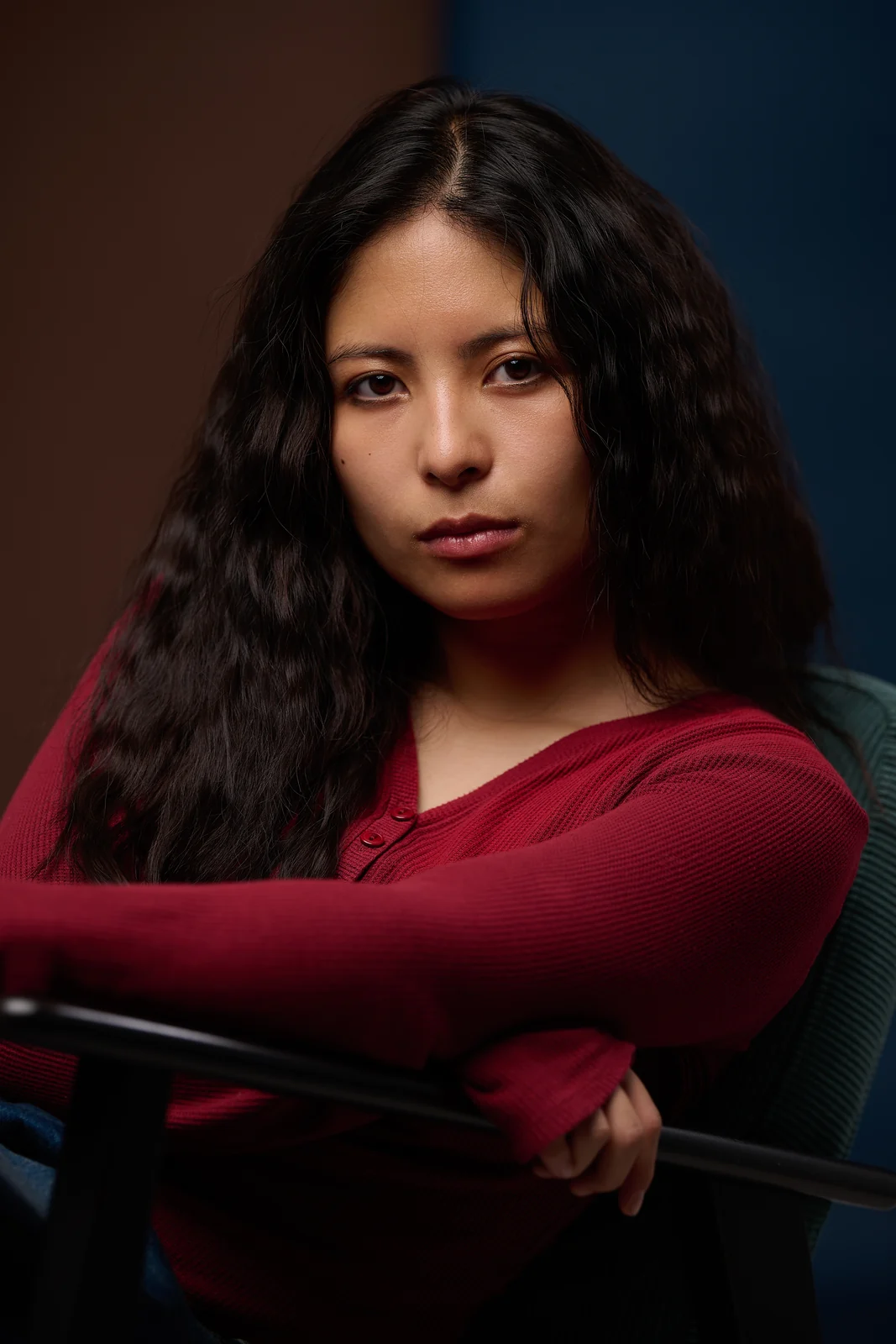
Search for a photography studio in Leeds and the listings start to blur. White walls, a roll of paper, a couple of heads on stands, a day rate. Every room is photographed on a wide lens on a bright morning, which is the one condition your shoot probably won't happen in.
The useful question isn't which studio is best. It's which studio is right for the job you're actually booking. A room that handles two LinkedIn portraits beautifully can come apart on a forty-item product run, and a space built for big commercial set-ups is an expensive way to shoot one headshot.
So work out what the pictures have to do first, then judge the spaces against that, rather than the other way round.
Start with what the images have to do
"We need some new photos" is a starting point, not a brief. Before you look at a single studio, get three things straight: where the images will appear, who has to sign them off, and what shape and resolution they need to be.
That sounds like admin. It's the thing that decides everything else. Press-ready portraits with headroom for a headline, square crops for a marketplace listing and a set of casting headshots are three different shoots, and they want three different rooms.
The second decision is whether you need the space or the person. Studio hire suits people who already know what they're doing and want somewhere reliable to do it. A photographer-led session suits people who want the lighting, the direction and the delivery handled for them. Neither is automatically better. It depends on who's holding the camera and how much support is genuinely useful on the day.
How the brief changes what you need
A headshot session
Headshots need less room than people expect and more care than people expect. Enough depth to lift a face off the background, light you can control, and somewhere for the next person to sit while they get used to the idea.
The bigger variable is comfort. People look stiff when they're cold, rushed or unsure what's expected of them. If you're booking for colleagues who are quietly dreading it, ask what the room feels like to sit in and how much time each person gets. Nobody should arrive knowing how to pose. That part is our job.
A product range
Product work is a logistics problem before it's a lighting problem. Twenty samples turn up in boxes, need unpacking and styling, then have to be photographed at matching scale on matching backgrounds so the set looks like a set.
So you're asking about table space and consistency across a long day more than square footage. Ask whether the room can be blacked out. Yorkshire daylight is lovely and it also moves, and a shot list photographed over six hours of changing light becomes a retouching bill. Ask whether you can shoot tethered too, because seeing frames on a proper screen as you go is how you avoid finding a problem after the samples have gone back.
A video day
Video changes the questions. Sound matters as much as light: room noise, traffic outside, extractor fans, the hum of a fridge in the corner. A bright studio is not automatically a quiet one.
Ask about mains power and where the sockets actually are, whether windows can be covered properly rather than draped, and what happens if you overrun, because video days overrun.
A large team in one day
Forty people through a studio is a scheduling exercise. The photography takes a few minutes each. The rest is arrivals, coats, a mirror, and a queue that doesn't feel like a queue.
Ask where people wait, whether there's a second room so nobody's hovering just out of shot, how close the parking and the station are, and whether the studio has run a day at that scale before. That last answer tells you more than any kit list.
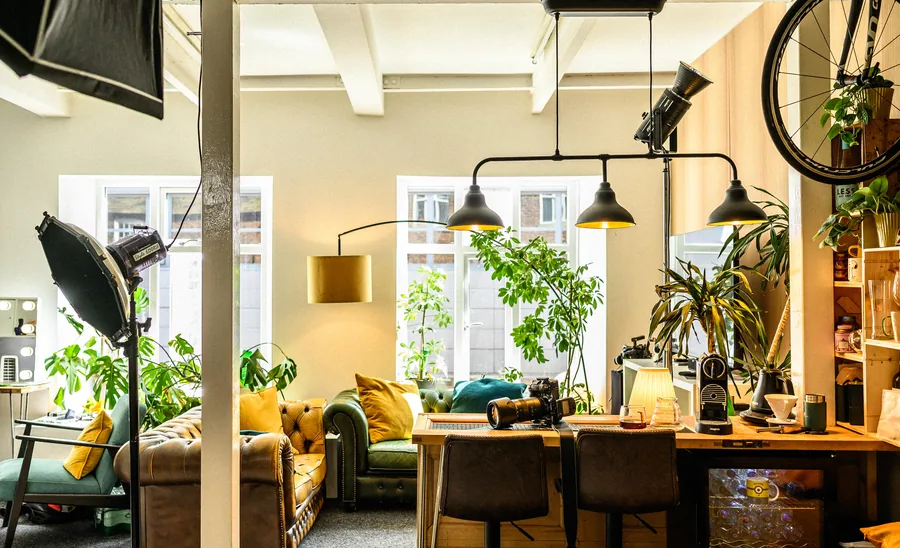
What to look for in a photography studio in Leeds
Photographs of studios are, unsurprisingly, taken by photographers. Look past them.
Ask for real dimensions rather than adjectives, floor area and ceiling height both. Height is the one people forget, and it quietly caps what you can do with a light. Ask what the background options genuinely are, and whether the space can go dark as well as bright, because a room that only does one of those only does half your briefs.
Then ask the boring questions. How kit gets from the vehicle to the door. Where people change. Whether there's somewhere to sit down and put the kettle on. These sound minor right up to the point where a client needs to take a Teams call between set-ups and there's nowhere to take it.
What should sit inside the hire fee is its own conversation, and we've set out how to compare like for like in what's included in a studio rental rather than repeat it here.
The questions that separate a room from a working studio
Anyone can put a backdrop in a room. A working studio is one where somebody has already solved the problems you're about to have. Four questions do most of the sorting:
- What have you shot in here that's like my job?
- What tends to go wrong on days like mine, and what do you do about it?
- If we overrun, what happens?
- Can I come and stand in it before I book?
The last one matters most. Ten minutes in a room tells you things a fortnight of comparing listings won't: how it sounds, how warm it is, whether you'd be happy sending a nervous colleague there on their own.
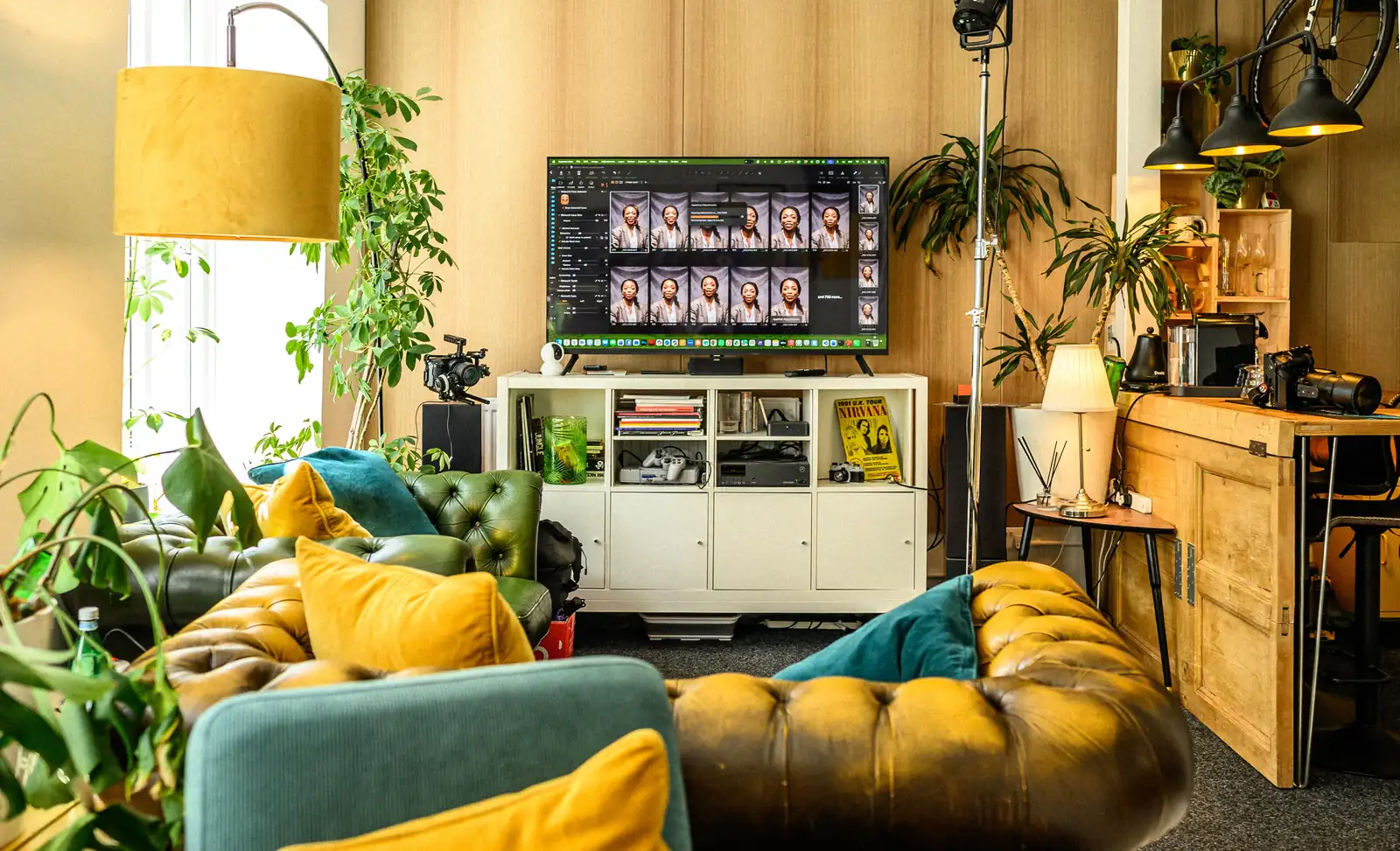
There's no best studio, only the right one for this job
We run Dock Street Studio on Dock Street in central Leeds, a short walk from the station with parking on site, and we shoot tethered into Capture One so you can see frames as they happen. That's a description, not a pitch. If what you're shooting wants something we haven't got, we'd rather tell you than take the booking, and the detail of the space is written up here if you want it.
Take your brief to whoever you're considering: the uses, a couple of references, an honest shot list, and the bits you're not sure about. A studio that suits the job will tell you plainly that it does, and one that doesn't should tell you that too.
Frequently Asked Questions
How do I know if a studio is big enough?
Work backwards from your longest lens and your widest shot. Full-length and group work need depth and ceiling height; headshots and small products need far less. Ask for the actual measurements rather than "spacious".
Should I hire the space on its own or book a photographer?
Hire the space if you're confident with lighting and just want a reliable room. Book a photographer if you want the direction, the lighting and the finished files handled. Plenty of people start with the second and move to the first.
Does it matter whether a studio has daylight?
It depends on the look you're after. Daylight suits soft, natural portraits and lifestyle work. Controlled lighting suits anything that has to match across a long shoot, like a product range. Being able to do both from one booking is the useful bit.
Where is Dock Street Studio and how do I book it?
We're at Unit 9, 30–38 Dock Street, Leeds LS10 1JF, near Leeds Dock and a short walk from the train station, with parking on site. You can book online, or ring and talk the shoot through first.
Talk the shoot through before you book
Tell us what you're shooting and what the images need to do, and we'll give you a straight answer about whether this is the right room for it. Book online, email hello@dockstreetstudioleeds.co.uk, or call 0113 4400102.
Written by Mark Wheelwright
Commercial photographer & studio owner, Leeds | ISO Photographic Ltd
Dock Street Studio, Unit 9, 30–38 Dock Street, Leeds LS10 1JF
18+ years' experience | 900+ projects | 300+ five-star reviews | 1M+ shutter count
dockstreetstudioleeds.co.uk
Shot, written and built by the Dock Street team
Every guide on this blog comes from the team at Dock Street Studio — Mark behind the camera with 18+ years' experience, Nicole on styling and lighting, Beya on video and bookings and Austin keeping the site fast and findable. If you'd rather have us do it than read about it, book a session or explore our photography services in Leeds.