


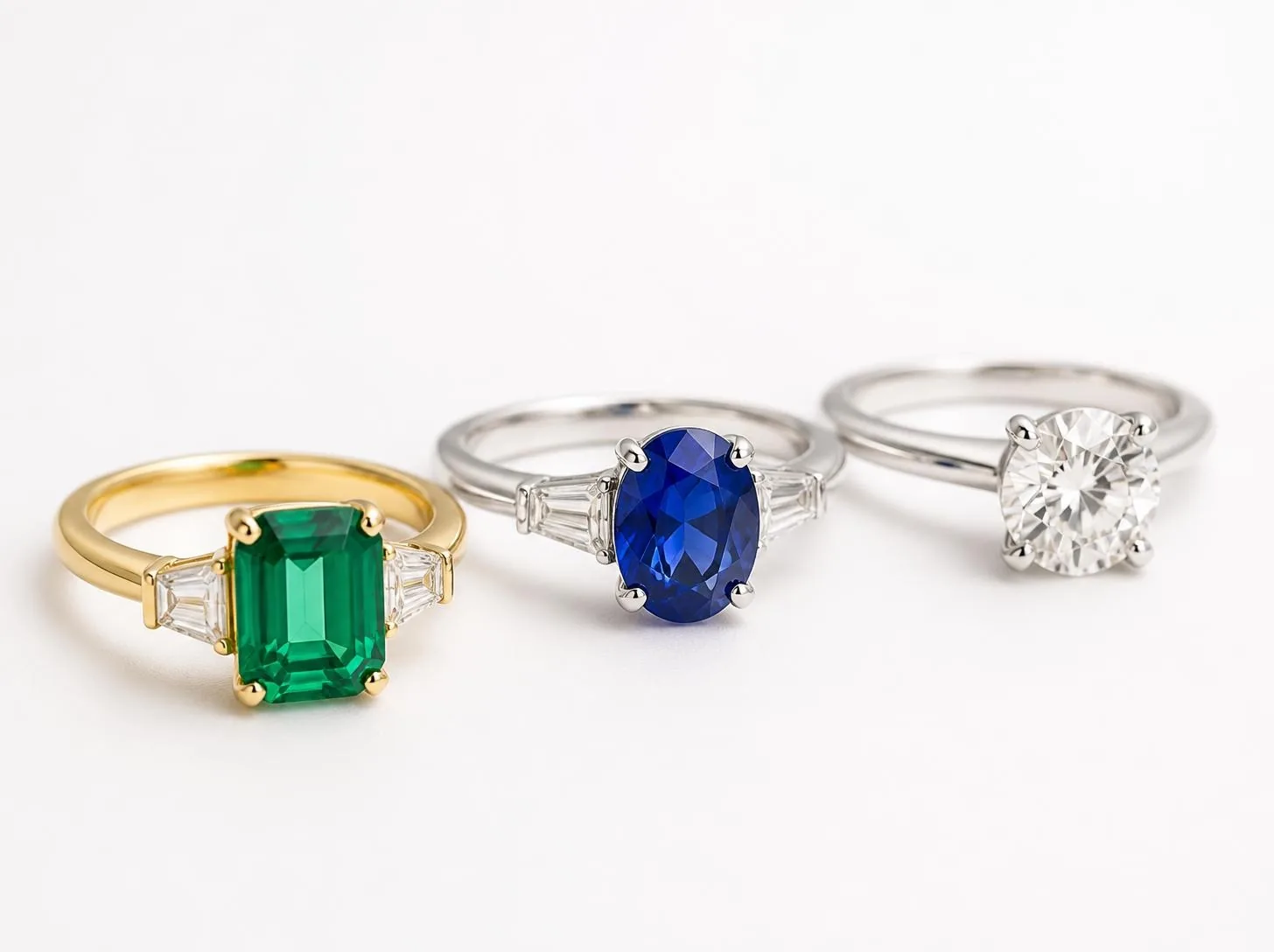
Most product shot lists we get sent are really lists of angles. Front, back, three-quarter, top-down. That tells us where to put the camera, but it doesn’t tell us what any of those pictures are meant to settle for the person looking at them.
It’s far more useful to sort product image types by job than by look. A packshot, a detail, a scale shot, an in-use frame and a range shot aren’t five styles of photograph. They’re five different questions, and each one wants a picture built to answer it.
Why product image types are worth separating
Style is how a picture looks. Job is what it settles. A clean shot of a bag on white is a packshot when its job is to say exactly what the bag is. Move in on the buckle and the lighting hasn’t changed, but the job has. Now it’s evidence about the hardware.
So when we plan a product shoot with a client, we don’t start with a mood board. We start with a list of things a customer might be unsure about, then work out which frame removes each one. The look follows from that, rather than the other way round.
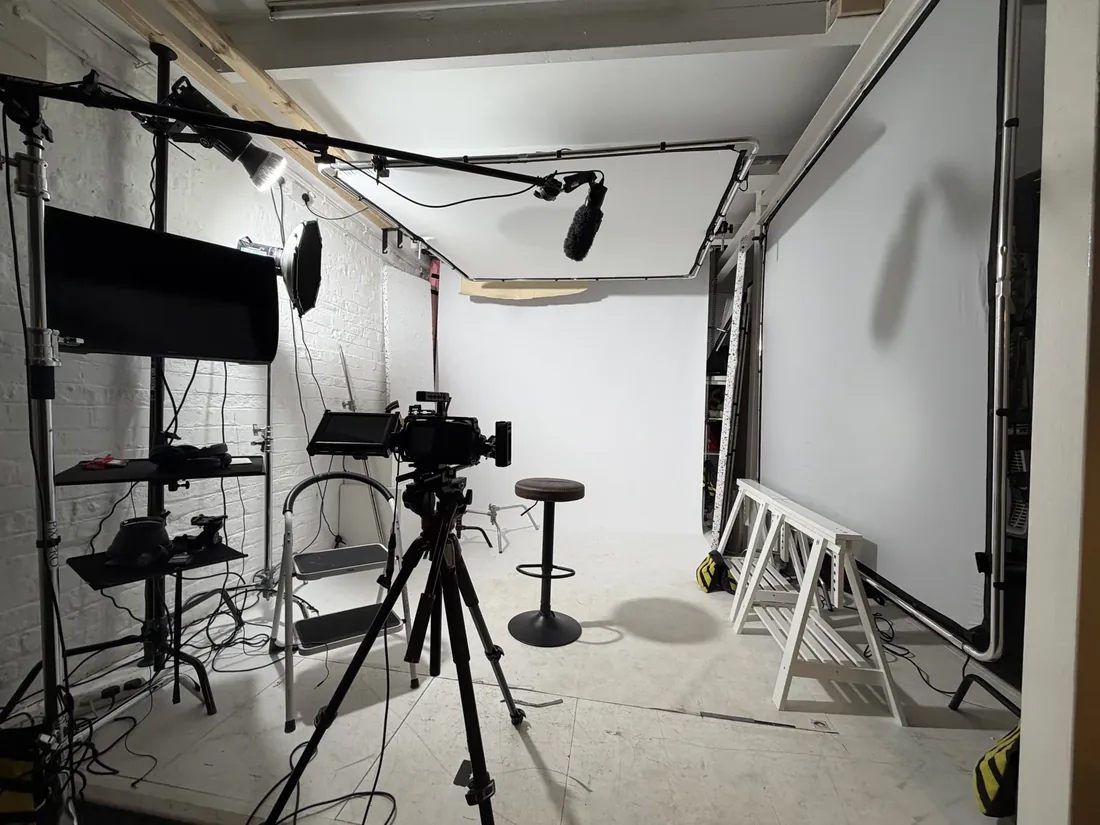
The packshot: what the thing is
The packshot’s job is identification. Plain background, even light, honest colour, the whole product visible and unambiguous. Nothing clever.
That sounds like the least interesting picture in the set, and across a range it’s usually the hardest to get right. Twenty candles have to sit at the same size, in the same place in the frame, on the same white. One that comes out slightly warmer than the rest reads as a different product.
It doesn’t have to look flat, mind. Shape, edge and material all survive careful lighting on a white sweep, which is a subject of its own and one we’ve written about in lighting for packshots. For the set, hold onto this: a packshot earns its keep by being unmistakable, not by being striking.
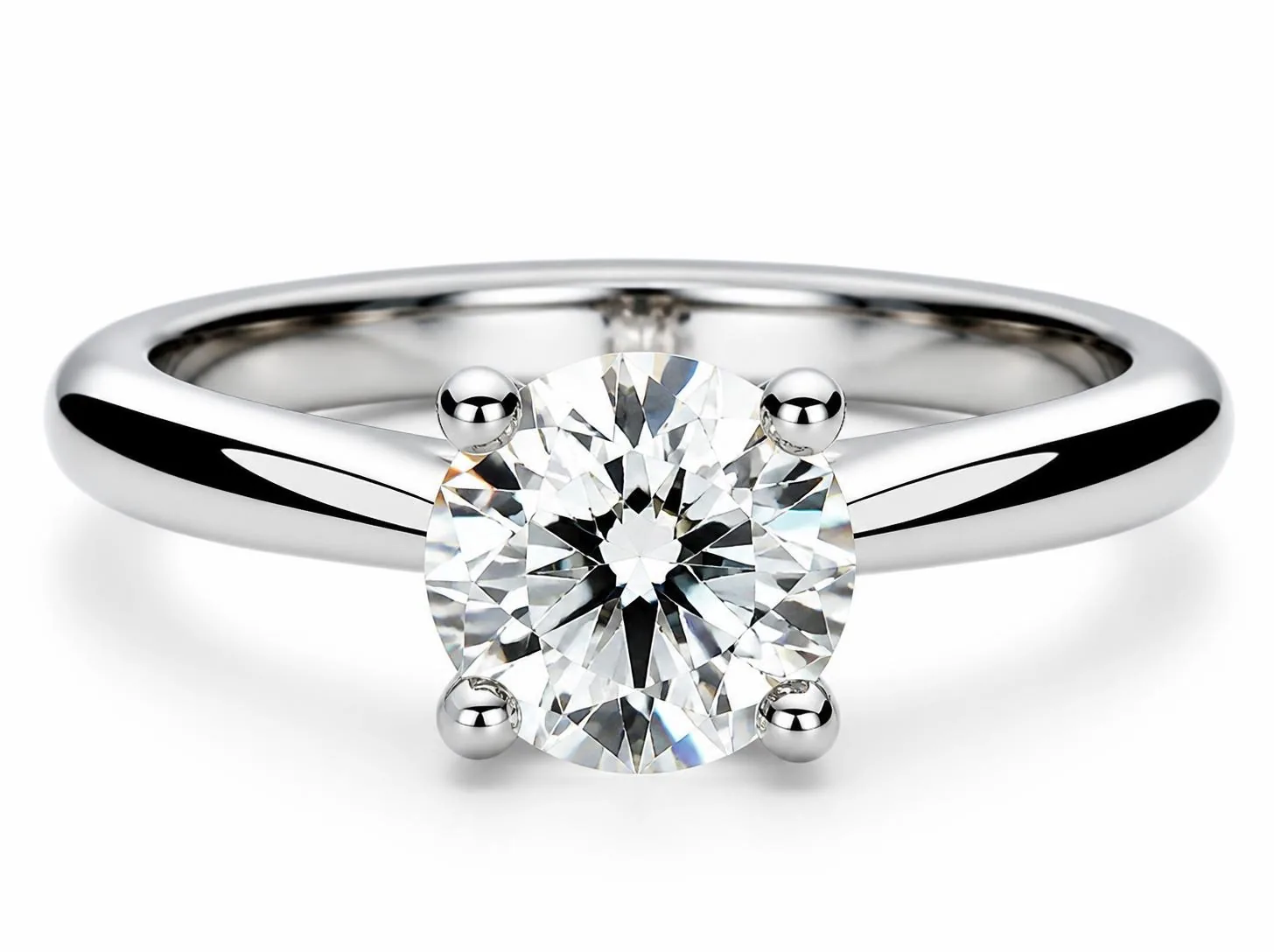
The detail shot: what it’s made of
A detail shot is evidence. It’s the frame that backs up a claim you’ve already made in words. Hand-stitched, solid oak, brushed brass, spun in a Yorkshire mill. All of that is just typing until somebody can see it.
Because the job is clarity, we light and focus for legibility first and beauty second. Very shallow focus looks lovely and will cheerfully blur the exact thing you were trying to prove. If the seam is the point, the seam is sharp.
This is also where reflective products get slow. Glass, polished metal and gloss packaging will show you the ceiling, the room and the photographer unless every reflection is put there deliberately. Worth knowing before you book, because those frames take longer than most people expect.
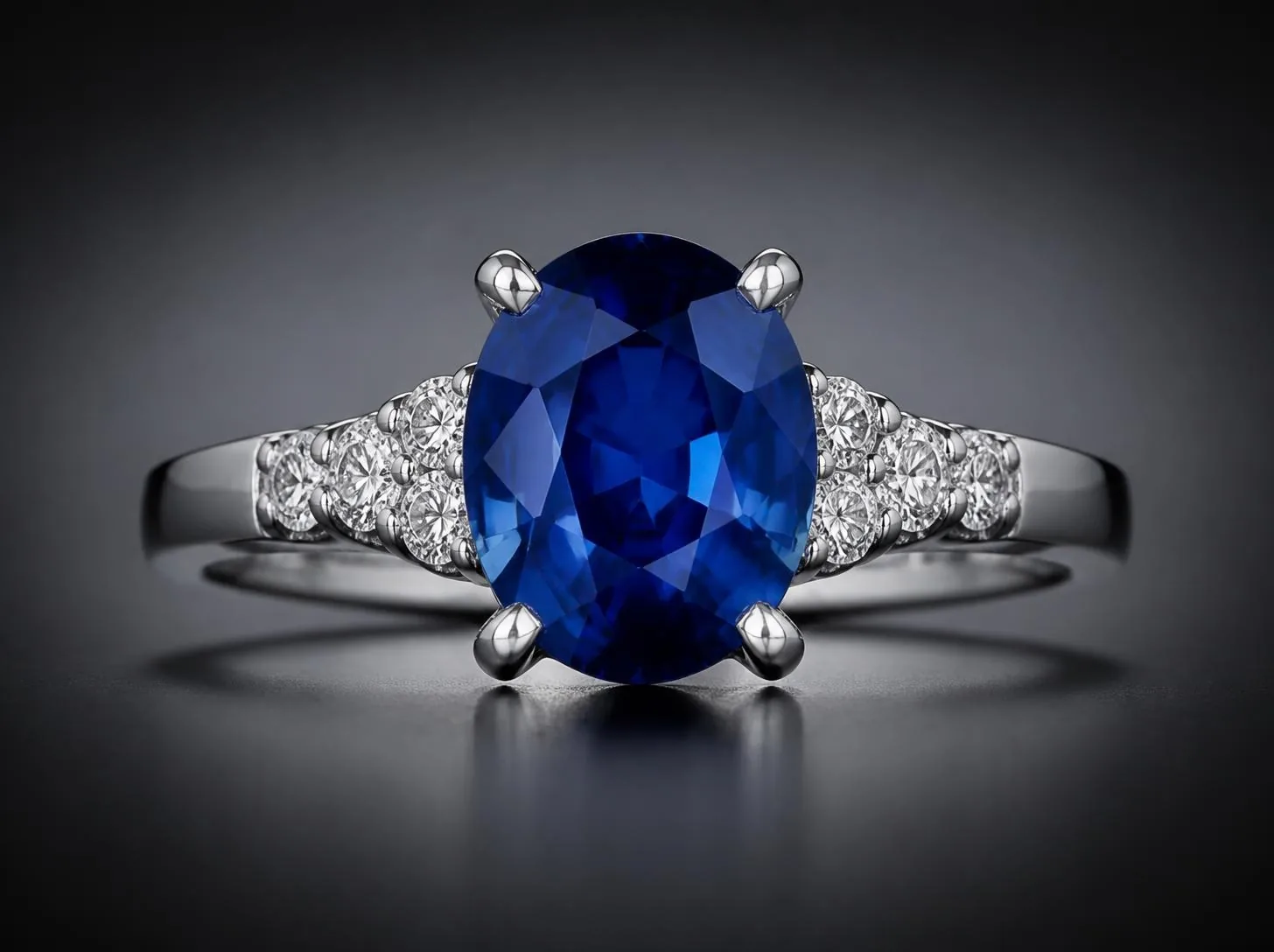
The scale shot: how big it actually is
Dimensions in millimetres are accurate, and almost nobody converts them into a feeling. A scale shot does that conversion on the customer’s behalf: the product in a hand, sat on a desk beside ordinary objects, worn, or placed in a room with something recognisable in shot. A rucksack on a person says more about strap length and capacity than a spec line ever will.
The rule here is honesty. A wide lens up close makes a small thing look generous, and the customer finds out when they open the box. If a product is compact, photograph it as compact and let that be the feature.
The in-use shot: what owning it is like
In-use frames show the product doing its work. The lamp switched on, the knife cutting, the jacket on somebody who’s moving rather than standing to attention. For anything worn, this is also the fit answer, and there’s no real substitute for it.
Keep this separate from a mood shot in your head. A mood shot’s job is atmosphere. An in-use shot’s job is comprehension. They get shot on the same day and filed under the same heading, and then a page ends up with plenty of atmosphere and no answers. Where the line falls between them is really the white background or lifestyle question, which we’ve covered on its own.
If it’s you or someone from your team holding the product rather than a hired model, don’t let that put you off. Hands are easy to direct, we’ll talk you through it, and nobody’s face has to be in the frame unless you want it there.
Two honest caveats. In-use images date faster than the rest of the set, so we keep the setting quiet. And for large furniture, or anything that only makes sense in a genuine environment, a location beats our studio. We’d rather say that than talk you into a room that doesn’t suit the product.
The group shot: what you actually get
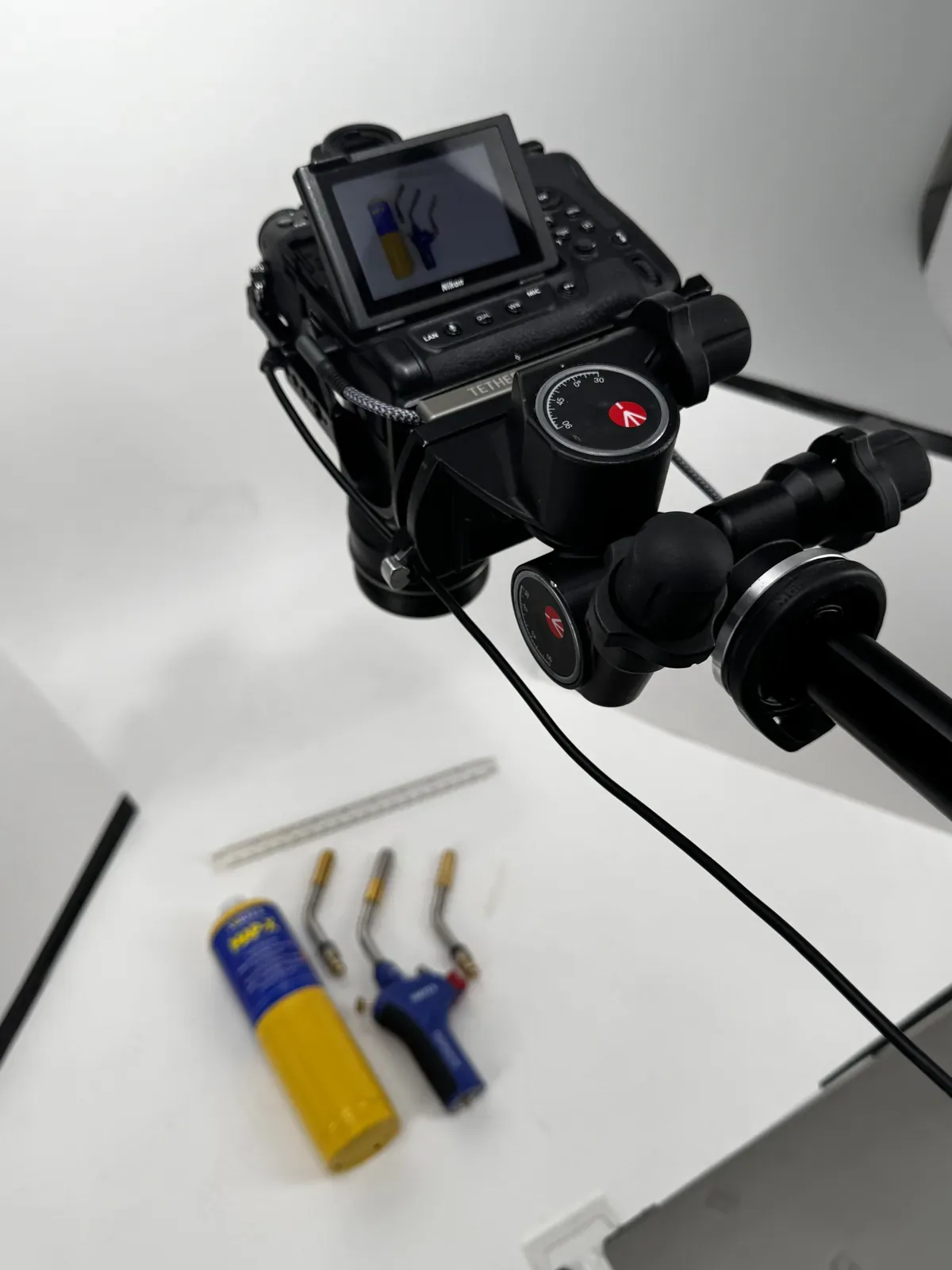
A group or range shot is an inventory picture. The gift set, the base unit and its refill, six colourways of the same mug. Its job is to show what’s included and what the choices are, in one frame, so nobody has to open five pages to find out.
Be strict about honesty on these. If the tray in the photograph isn’t in the box, take it out of the shot or say so plainly. Props that look like contents cause returns and cross reviews, and neither is worth a slightly nicer picture.
The explainer: the frame that answers the awkward question
Some products arrive with a question attached. How does the fastening work. Does the lid genuinely seal. What does it look like once it’s built. One or two plain frames settle it: open and closed, connected and disconnected, flat-packed and assembled.
These aren’t beauty shots and don’t need to be. They’re usually the quickest things to shoot on the day, and the ones that quietly save the most emails afterwards.
Working out which type you’re short of
The fastest diagnostic is the questions you already get. Pre-sales emails, review comments and the reasons people give when something comes back all point at a job none of your current pictures is doing. And once you know which job a frame is for, camera position stops being a matter of taste and becomes a question of what has to be visible, which is more or less how we choose angles on the day.
If colour drifting between image types across a range is the worry, our studio colour profile workflow explains how we keep a packshot and an in-use shot matching. And if the same shoot needs team or workspace frames alongside the product, that sits with our commercial photography in Leeds.
Frequently Asked Questions
What’s the difference between a packshot and a detail shot?
The packshot shows the whole product so a customer can tell what it is. The detail shot shows one part of it so they can tell how well it’s made. Same product, same table, different question.
Do I need all of these for every product?
No. A plain notebook might only want a packshot, a detail and a scale frame. An adjustable office chair with moving parts will want the lot. It depends on how much a customer has to understand before they’re comfortable.
Is an in-use shot the same thing as a lifestyle shot?
They overlap, but the jobs differ. An in-use shot makes the product understandable, a lifestyle shot makes it feel like something. Plenty of sets are short on the first because the budget went on the second.
Can I handle scale with a dimensions graphic instead?
A graphic is a useful addition and a poor replacement. Numbers tell someone the size, a photograph lets them feel it.
Where are you, and how do we book?
We’re at Dock Street Studio, Unit 9, 30–38 Dock Street, Leeds LS10 1JF, a short walk from Leeds station with parking on site. Bring the products over, and we can go through the set over a brew before anything gets shot.
Plan your product shoot in Leeds
Bring us the product and the questions people keep asking about it, and we’ll work out together which frames answer them. Book online, email hello@dockstreetstudioleeds.co.uk, or call 0113 4400102.
Written by Mark Wheelwright
Commercial photographer & studio owner, Leeds | ISO Photographic Ltd
Dock Street Studio, Unit 9, 30–38 Dock Street, Leeds LS10 1JF
18+ years’ experience | 900+ projects | 300+ five-star reviews | 1M+ shutter count
dockstreetstudioleeds.co.uk
Shot, written and built by the Dock Street team
Every guide on this blog comes from the team at Dock Street Studio — Mark behind the camera with 18+ years' experience, Nicole on styling and lighting, Beya on video and bookings and Austin keeping the site fast and findable. If you'd rather have us do it than read about it, book a session or explore our photography services in Leeds.