


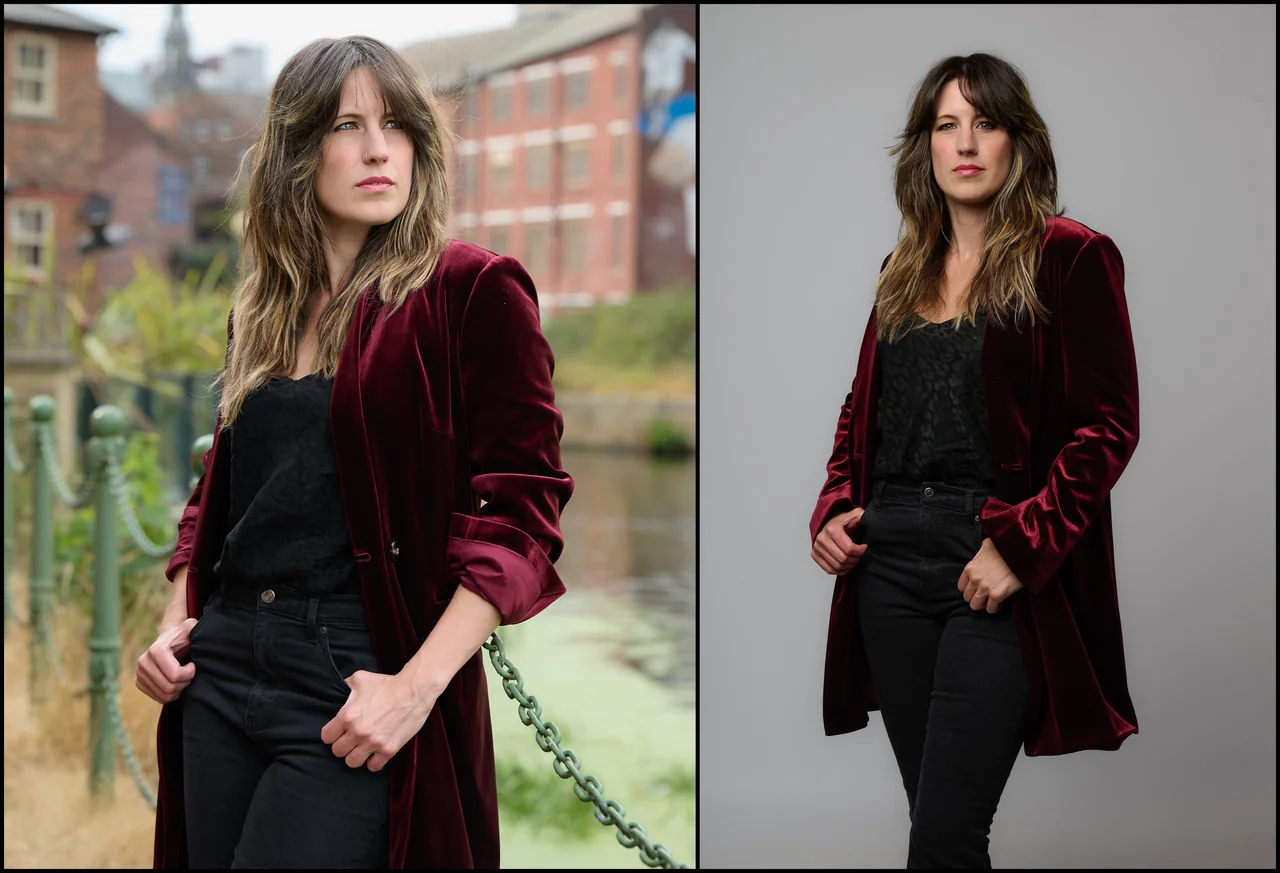
Nobody can pick your product up through a screen. The photographs have to do that job for them, and they have to do the brand’s job at the same time. So the choice between white background vs lifestyle shots is not really a question of taste. It decides how clearly people understand what they are buying, how trustworthy your shop looks, and whether anyone gets as far as the checkout.
We talk to a lot of Leeds businesses who arrive convinced they have to pick one and commit. Almost always the better answer is a mix, weighted towards whichever one your customer needs first. What tips the balance is what you sell, where the pictures will be seen, and the question each individual photograph has to answer.
White background vs lifestyle shots: the real difference
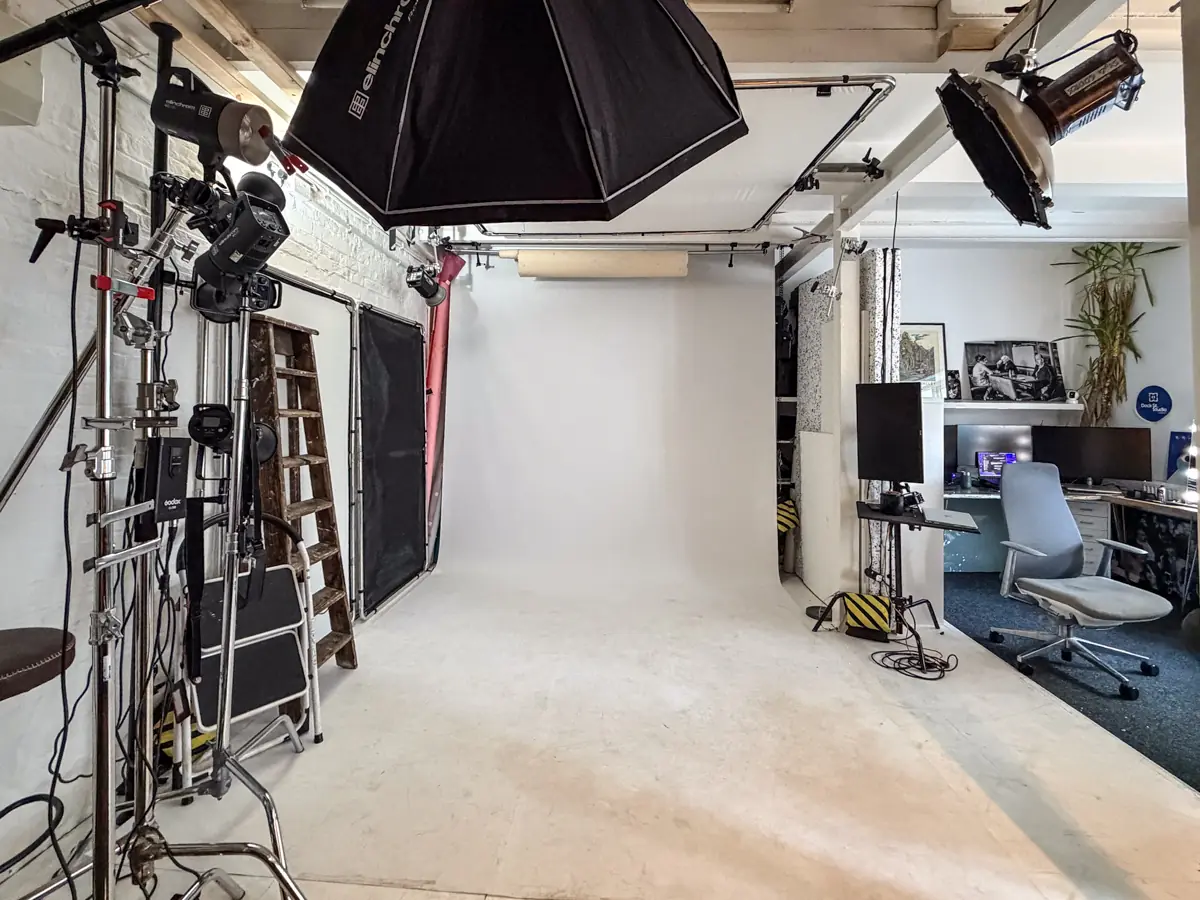
A white background exists to remove competition. Shape, finish, colour, proportions, the bit of detail that justifies the price. Nothing else in the frame is asking for attention, so the eye goes straight to the thing you are selling.
A lifestyle image puts the same object somewhere believable. It shows scale, use and mood. A candle becomes a quiet evening in. A jacket becomes a walk down to the station in the cold. A reusable bottle looks far more useful in somebody’s hand halfway up a hill than sitting alone on a sweep of paper.
Neither wins outright. A packshot answers “what exactly am I buying?” A lifestyle frame answers “can I picture this in my life?” Most people need both answers, just not at the same moment.
When a white background earns its keep
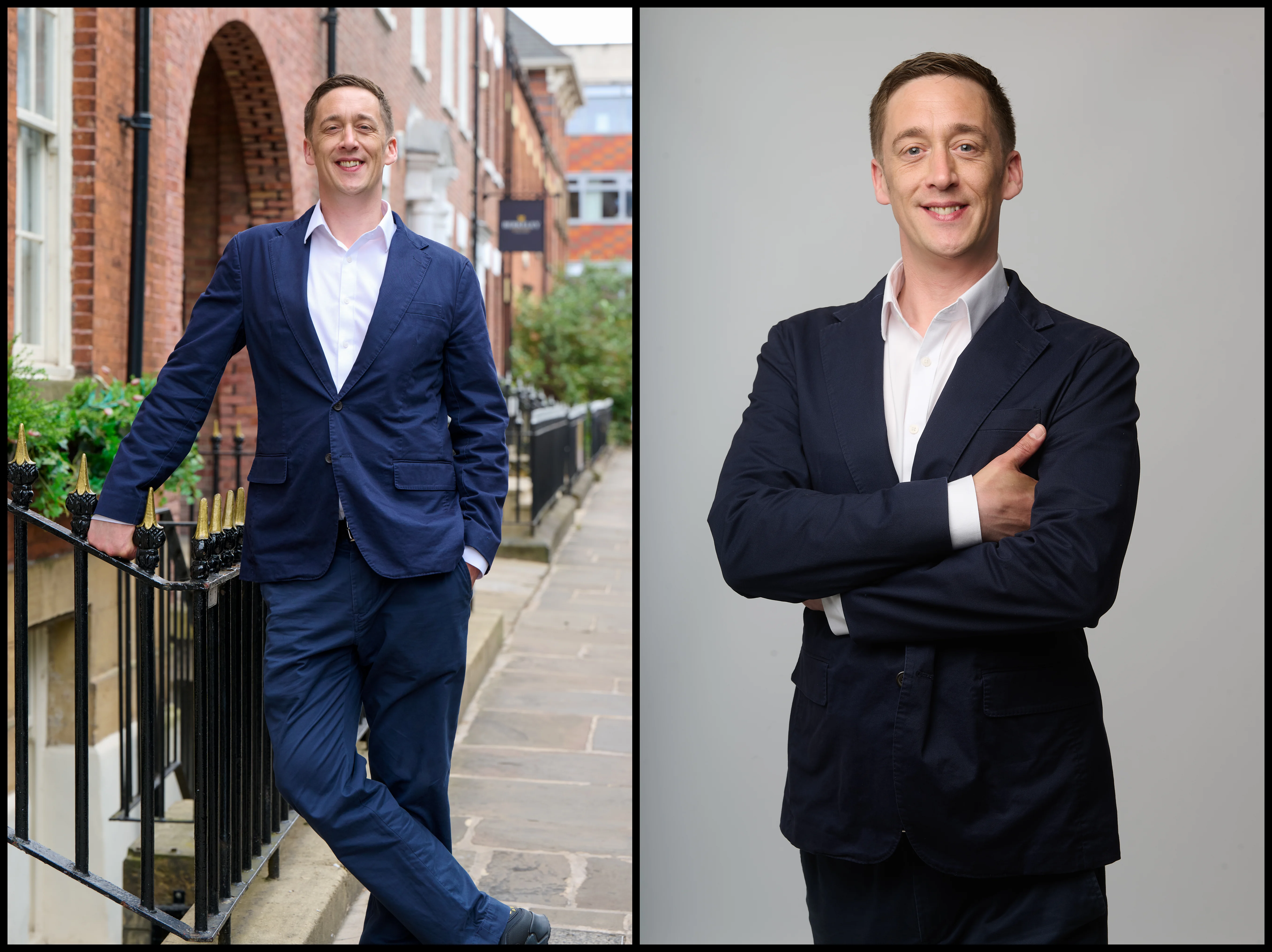
For ecommerce, clean packshots are usually the foundation the whole range sits on. Marketplaces and shopping feeds often demand a plain background, and even where they do not, a consistent catalogue is simply easier to shop. Someone comparing three sizes of the same bag, or five shades of the same serum, makes the decision faster when the only thing changing between frames is the product.
Clean backgrounds also suit anything with important visual detail. Jewellery, footwear, cosmetics, food packaging, tech, homeware. We can control reflections, hold accurate colour and keep the small print legible. All of that matters far more online than in a shop, because your customer cannot turn the box over in their hands.
They are efficient, too. Once the lighting, camera height and styling are locked, we work through a long list at a steady pace, and we can match it again next year when you add six new lines. That is what stops a website looking like it was photographed across three different years, in three different rooms, by three different people. If you are selling on a marketplace, our note on Amazon product photography requirements is worth reading before you brief anything.
Plain does not mean easy
Pure white still needs proper lighting. White packaging vanishes into a white sweep without deliberate separation. Dark bottles lose their edges. Gloss picks up every panel and softbox in the room, including us. We are aiming for something that looks accurate and physically real, not an object that has been cut out and dropped onto a blank page. That takes longer than people expect, and it is the part worth paying for.
Shoot for comparison, not just for looks
Make the white-background set your priority when the buyer needs to judge size, colour, material, features or variants. Product listings, retailer submissions, catalogues and paid shopping ads all lean on it.
Then photograph the angles that answer objections. Front, side, back, and a close-up of whatever settles the doubt. If a lunchbox has a clever seal, show the seal. If a chair is in a textured fabric, get close enough that the texture is obvious. If it arrives as a set of four, make the four unmistakable in the first frame. Our guide for ecommerce sellers works through that in more detail.
What lifestyle images do that packshots cannot
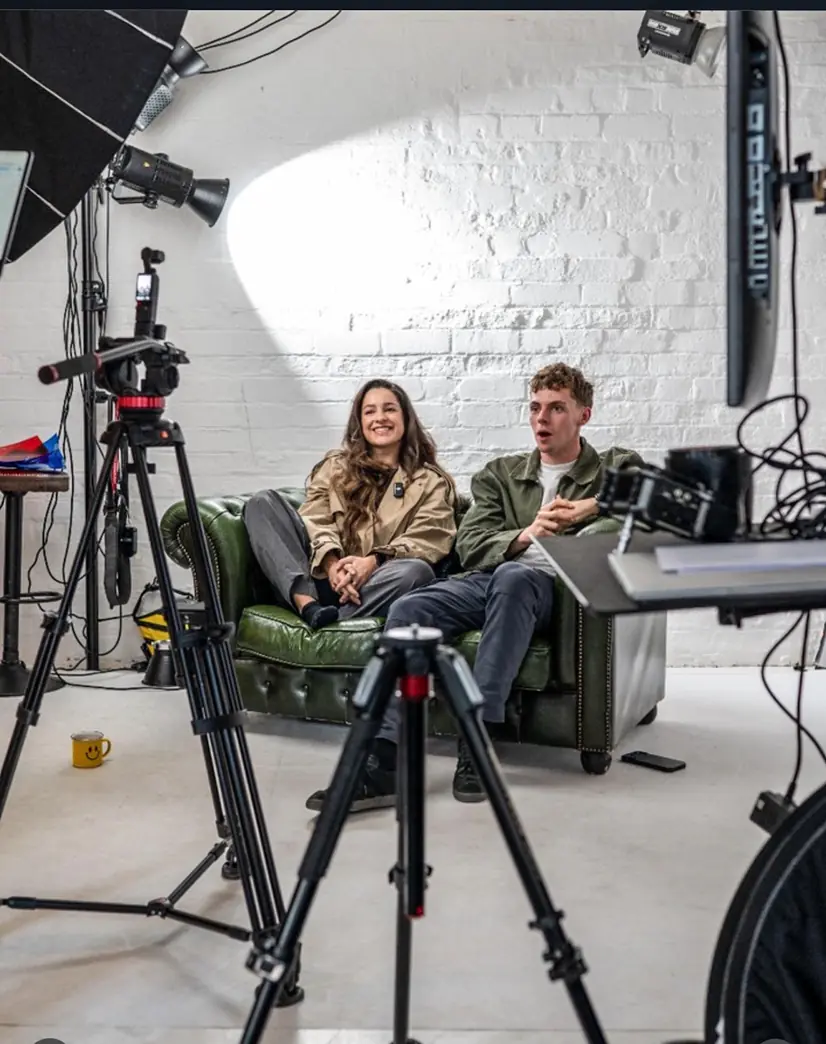
Lifestyle work gives a product context, and context has to earn its place. The setting should make the item easier to understand or more appealing to own. The best of these frames feel observed rather than staged within an inch of their life.
A furniture maker needs a table in a real dining room so people can judge its size and see how the timber sits against other materials. A clothing brand needs movement, different body shapes and daylight so a garment reads as a garment rather than a flat panel. A food producer needs a serving suggestion that makes the portion look generous and the effort look small.
These are the pictures that do the emotional work. They let a newer brand establish a point of view, which matters most on social, in print and across the top of a homepage. If people are buying into a routine or a set of values as much as the object, a row of isolated packshots will not carry that on its own.
The trade-off is control. Locations, props, styling, casting and Yorkshire weather all add variables, and every variable is time. A lifestyle shoot needs planning so the story holds the product up rather than burying it. We have all seen images where the room looks beautiful and you still could not say what was for sale.
Props should tell you something
Props are there to give clues about use, scale or audience. They are not there to fill space. A Yorkshire coffee roaster might use a worn kitchen table, a decent mug and the morning paper, and that reads instantly as a familiar ritual. Hide the bag behind a large plant and a stack of crockery and the photograph has quietly stopped working.
People, hands and how much production you need
A model gives scale and personality, and casting has to feel like your customer rather than a stock-photo version of them. Hands-only frames are a sensible middle ground on a smaller budget, or where the action matters more than the face. They keep the image human without turning the day into a full fashion production, and they are much easier to reshoot later.

The strongest product pages use both
For most independent brands the practical route is clean images for the whole range, plus a smaller lifestyle set. The packshots carry the product grid and the detail pages. The lifestyle images carry the homepage banner, the social posts, the email campaigns, press material and any advertising.
Think about the order your customer sees things. They spot a lifestyle photograph on Instagram, which is what makes them look at all. Then they land on the product page and want proof: clear frames, alternative angles, close detail, honest colour and a reliable sense of size. Asking one image to do both jobs usually produces something that does neither especially well.
Planning both also gives whoever runs your marketing something to work with. Instead of cropping one hero image into nine shapes, you have frames made for the places they will actually appear. Portrait crops for stories, wider scenes for site headers, clean squares for listings. All of that can be decided before we switch a light on, and a content day in the studio is often the cheapest way to get the lot in one go.
Plan the shoot around your customer’s questions
A moodboard is useful and it is not a brief. Before you book, start with who the buyer is, what they hesitate over, and where the pictures need to live.
Technical products raise questions about fit, compatibility, durability and whether it works with the thing they already own. Clothing raises questions about how it looks on different bodies, whether it is sheer, and how it moves. Gifts raise questions about the occasion and the person receiving it. Every one of those is answerable with a photograph, if somebody decides in advance which photograph.
Decide early which lines deserve both treatments. Bestsellers, new launches and higher-value items usually justify the lifestyle work. A long tail of simple accessories often needs excellent, consistent white-background frames first, with one lifestyle set built around the collection rather than around every single line.
Bring the products in ready
Preparation saves studio time and saves retouching, which is the same thing as saving money. Send items clean, complete and in final packaging where you can. Include spares if the packaging marks easily, and extras of anything that gets handled, opened, poured or worn during the day.
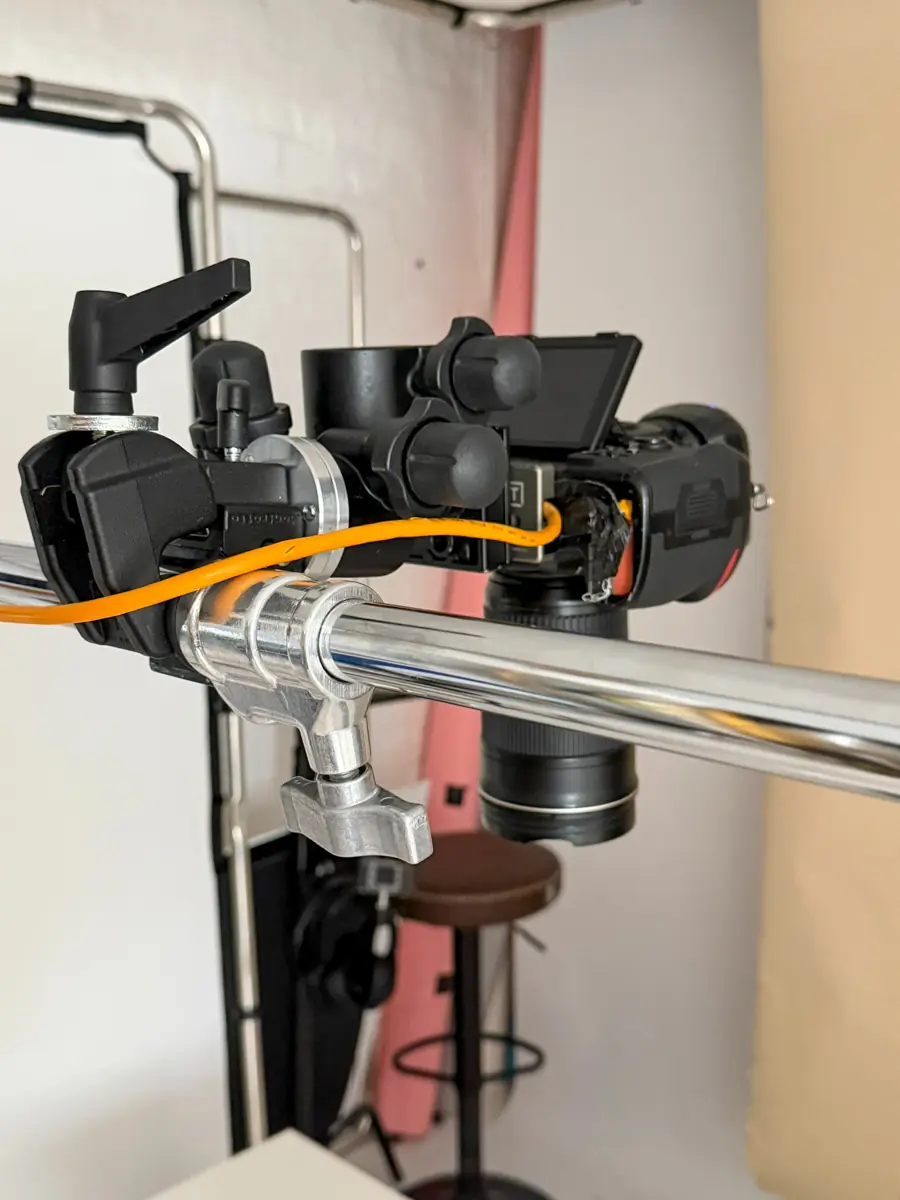
For lifestyle setups, agree the props, surfaces and colour palette before you arrive. Our space can be built into a controlled tabletop scene, a small campaign set or a clean editorial look, and we shoot tethered into Capture One so you can see how a frame is landing while the set is still standing. On location we plan around the light, the access and the practicalities of keeping a product looking its best between takes.

Do not let a trend make the decision
The warm, lived-in look is popular and it is not right for everyone. An all-white grid can look immaculate and still feel cold if what you make is handmade, expressive or personal. The photography needs to be recognisably yours while staying genuinely useful to the person trying to buy.
We also see brands overcorrect after a rebrand. They commission a lovely lifestyle set, then discover they have nothing that satisfies a marketplace listing or a retailer’s product sheet. Or they shoot everything on white and find they have nothing with any atmosphere when a launch comes round. Ten minutes talking through usage beforehand prevents both. If you want the longer version of this argument, we have written about lifestyle and packshot work side by side.
The better opening question is not which look we prefer. It is what our customer needs to see next. Answer that and the choice between a crisp white sweep, a styled scene, or a bit of both, tends to make itself.
Frequently Asked Questions
Can I get both looks in one session?
Often, yes. We usually shoot the white-background set first because it is quicker and more predictable, then rebuild the set for the lifestyle frames. Tell us the split when you book so we can plan the timings.
How many lifestyle images do I actually need?
Fewer than most people expect. Six to ten strong frames will usually cover a homepage, a season of social posts and an email campaign. The packshot set is where the volume goes.
Do marketplaces require a pure white background?
Several do for the main listing image, with more freedom on the secondary images. Check the current rules for each platform before the shoot, because they change and they are enforced automatically.
Is lifestyle photography more expensive?
Usually. Props, styling, casting and location time all add hours, and hours are what you pay for. A tabletop lifestyle set in the studio is the lower-risk option if the budget is tight.
Should I use a model or hands only?
Hands only if the product is the story and the budget is modest. A model if scale, fit or audience needs showing. We will say honestly which one your product needs.
Where is the studio and how do I book?
Dock Street Studio is at Unit 9, 30–38 Dock Street, Leeds LS10 1JF, in central Leeds near Leeds Dock and a short walk from Leeds train station, with parking onsite. Book online, email hello@dockstreetstudioleeds.co.uk, or call 0113 4400102.
Book a product shoot in Leeds
Send us a list of what you sell and where the images need to go, and we will tell you honestly how much of it should be white and how much should be styled. Book online, email hello@dockstreetstudioleeds.co.uk, or call 0113 4400102.
Written by Mark Wheelwright
Commercial photographer & studio owner, Leeds | ISO Photographic Ltd
Dock Street Studio, Unit 9, 30–38 Dock Street, Leeds LS10 1JF
18 years in business | 900+ projects | 300+ five-star reviews | 1M+ shutter count
dockstreetstudioleeds.co.uk
Shot, written and built by the Dock Street team
Every guide on this blog comes from the team at Dock Street Studio — Mark behind the camera with 18+ years' experience, Nicole on styling and lighting, Beya on video and bookings and Austin keeping the site fast and findable. If you'd rather have us do it than read about it, book a session or explore our photography services in Leeds.