


Most bad headshots fail for one of a few reasons: they don’t look like you now, the face is hard to read, the background or lighting gets in the way, or the style doesn’t suit where the photo will be used. All of these are avoidable, and most are decided before the camera comes out. This guide goes through the mistakes we see most often, shows what a bad headshot looks like in practice and explains how to fix each one, whether you are an actor, a professional updating LinkedIn or a business building a team page.
Key Takeaways
- A headshot should look like you as you are today. An older or younger-looking image works against you, especially in casting.
- Clear face, simple background and honest lighting beat dramatic styling. The eyes carry the picture.
- Stiff, forced poses are fixed by small adjustments and a relaxed session, not by trying harder.
- Match the style to the setting: a LinkedIn portrait and an acting headshot do different jobs.
- Planning before the shoot (purpose, wardrobe, hair, shot list) prevents most problems.
Table of Contents
- What actually makes a headshot “bad”?
- Mistake 1: Using a photo that no longer looks like you
- Mistake 2: Over-retouching
- Mistake 3: Backgrounds, lighting and framing that fight the face
- Mistake 4: A hidden face and lost eyes
- Mistake 5: Forced posing and the wrong expression
- Mistake 6: Clothing and styling that distract or mislead
- Mistake 7: A headshot built for the wrong job
- Mistake 8: Turning up with no plan
- Mistake 9: Choosing the photographer on price alone
- Quick reference: mistake, cost and fix
- Our view: a headshot is a brief, not just a picture
- Fixing a bad headshot: what to do next
- FAQ
- Sources
What actually makes a headshot “bad”?
A bad headshot is one that doesn’t look like you or looks unprofessional. Backstage’s UK guide lists the usual suspects: an out-of-focus image, a hidden face, huge earrings, bad lighting or a background that drowns you out.
It helps to split the problems into two groups:
- Technical faults: soft focus, harsh or flat light, cluttered backgrounds, awkward cropping.
- Message faults: the photo is sharp and well lit but says the wrong thing, because it is out of date, over-styled, too generic or built for a different audience.
Technical faults are the ones people notice and the easier ones to cure. Message faults are quieter and cost more, because the picture looks fine in isolation and then quietly fails at its job. Someone scrolling through a casting list, a hiring manager checking a profile or a client reading an “about us” page makes a decision in a moment, and the headshot is the first thing they see.
Mistake 1: Using a photo that no longer looks like you
This is the most common error and the one that matters most. A headshot taken five years and a new haircut ago, a crop from a wedding or a holiday picture with someone cut out of it all send the same signal: no effort was made.
For actors it is practical rather than cosmetic. Spotlight’s casting guidance says a headshot should be a well-lit, honest representation of how you look today. Casting directors need to recognise you when you walk in, and an older or younger-looking image can stop you being called for roles that suit you. If you arrive looking different from your picture, the room starts on the back foot.
The same logic applies away from the stage. If a client meets you after seeing your profile photo, the gap between the two should be zero.
How to fix it
- Update after any visible change: haircut or colour, beard, glasses, weight, or simply the passing of a couple of years.
- Never crop from a group photo. Resolution, lighting and angle are all wrong for a portrait.
- Keep a simple rule: if a friend wouldn’t recognise you from the picture in a crowd, replace it.
If you’re an actor wondering how often to refresh, our guide on when to update your actor headshots goes through the triggers in detail.
Mistake 2: Over-retouching
Retouching is part of professional portrait work. Light cleaning, such as removing a temporary blemish, tidying a stray hair or balancing colour, is normal and expected. The problem starts when the edit changes who you are.
Here is how we think about the line, as our own working view rather than a rule:
- Fine: blemishes that won’t be there next week, flyaway hairs, a crease in a collar, colour and exposure balance.
- Think twice: smoothing skin until pores disappear, reshaping the jaw or face, whitening teeth or eyes beyond natural, removing lines that are part of your face.
- Avoid: anything that would make someone say “that doesn’t look like you” when you meet.
A heavily smoothed face also reads as flat and less trustworthy. People can sense when a picture has been polished past reality, and in casting the cost is real, because the picture and the person have to match. A good test: hold the retouched image next to an unedited frame from the same session. If you can’t see they are the same person at a glance, the edit has gone too far.
We deliver retouched images within 48 hours, and we keep the retouching light by design, so what you receive still looks like you on a normal day.
Mistake 3: Backgrounds, lighting and framing that fight the face
In most cases an acting headshot is an 8×10 photo of the head and shoulders, focused mainly on the face. Everything else in the frame is competition. Business portraits work the same way: the face is the subject, and the rest should support it.
Backgrounds
- Busy rooms, bookshelves, plants growing out of your head, a visible door frame or a bright window behind you all pull attention away.
- Strong colours or patterns can clash with your clothes and skin tone.
- A plain or softly blurred background lets the face do the work. In a studio, we control this completely, which is a big reason people book one rather than shooting at home.
Lighting
- Harsh overhead light creates dark eye sockets. Flash straight from the camera flattens the face and gives red-eye and shine.
- Window light can be lovely, but it changes with the weather and time of day, so results are hard to repeat.
- Good headshot light is soft, directional enough to give shape, and keeps clear catchlights in the eyes.
Framing
- Too tight and you lose headroom and look cramped. Too loose and the face becomes small on a thumbnail.
- Remember where the photo will appear. A LinkedIn picture is seen the size of a postage stamp, so the face needs to fill the frame enough to read at that size.
- Tilted horizons and wide-angle distortion (a phone held close to the face) make noses larger and faces rounder. A longer lens at a sensible distance is far kinder.
Mistake 4: A hidden face and lost eyes
Backstage says the eyes are the most important feature in a headshot. So anything that hides them is a mistake: hair falling over one eye, glasses with glare, a hat brim, sunglasses pushed up, or a face half in shadow.
Common fixes:
- Style hair so it stays off the eyes, and check it between set-ups.
- If you wear glasses, tell the photographer in advance. Angling the lights and the frames slightly avoids reflections. Some people shoot with and without.
- Sharp focus must land on the eyes. Soft eyes make the whole image look out of focus even when the ears are crisp.
- Look at the lens, not at the photographer or the screen, unless you’ve agreed a different look.
Mistake 5: Forced posing and the wrong expression
The stiff, “say cheese” portrait is the classic bad headshot. Fstoppers points to forced smiles, extreme angles and stiff posture as the cause of an unnatural feel, and suggests small, deliberate movements to find a natural, flattering pose. The same advice is to adjust in small increments to find the best angle rather than throwing big shapes.
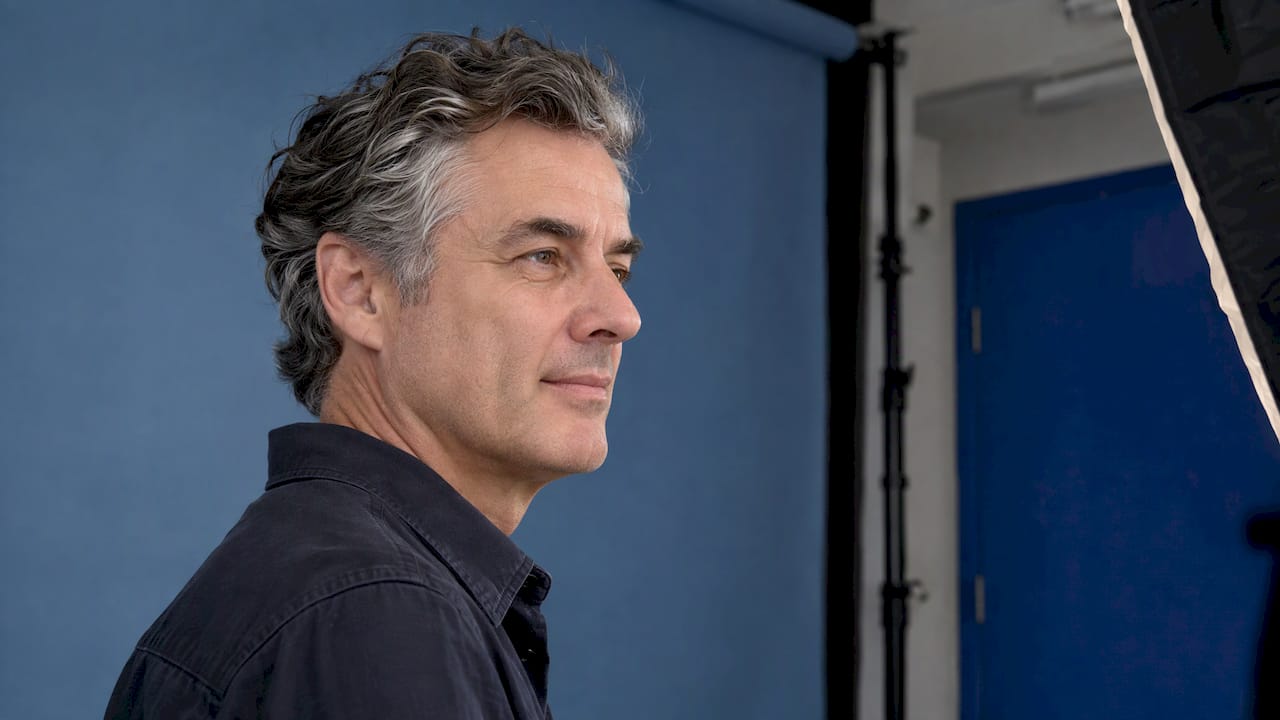
Industry professional Carl Proctor makes the same point for actors in his headshot advice for The Actors’ Guild: headshots should look real and organic, not posed or deliberate.
What that means in the studio:
- Start neutral, then shift. Relax your shoulders, breathe out and let the face settle. A tiny change of chin or shoulder angle is often enough.
- Think rather than pose. An expression that comes from a thought (something funny, something you’re proud of) reads as honest. A smile produced on command doesn’t reach the eyes.
- Don’t chase one “perfect” smile. You need a range: relaxed, warm, serious. We’ll talk through which ones suit your use.
- Avoid the head tilt as a default. It can read as coy or submissive when you want to look confident.
The atmosphere matters more than most people expect. Nervous people tighten up, and tight faces photograph badly. A relaxed, supportive session is as much a part of getting a good headshot as the lighting.
Mistake 6: Clothing and styling that distract or mislead
Huge earrings are on Backstage’s list for a reason: anything that grabs the eye first becomes the subject. The same goes for loud patterns, logos, shiny fabrics that throw light about, or necklines that keep changing shape.
Practical guidance:
- Choose solid, mid-tone colours that suit your skin and have some texture. Bring two or three options so you can compare.
- Make sure clothes fit well when you are sitting and standing. Creases show up in a close crop.
- Keep jewellery and accessories small.
- Think about what the clothes say. A shirt and jacket send a different message from a plain knit, and that should be a choice.
- For actors, avoid costume. The picture should show you, not a character, and leave the casting team free to imagine you in a role.
Plan hair and make-up the same way. Natural and maintained is the goal: the look you’d wear on a good day, not a look you’d need two hours to recreate.
Mistake 7: A headshot built for the wrong job
Adobe’s headshot guidance describes a headshot as an introduction or greeting that should convey attitude, character and personality, and says its style should reflect where it will be used, such as LinkedIn versus acting. That is the key to avoiding the “right photo, wrong place” error:
| Where it will be used | What it needs | Common mistake |
|---|---|---|
| Casting platforms | An honest, simple, well-lit image of you today, with open eyes and a natural expression | Dramatic mood, heavy shadow or retouching that hides the real face |
| LinkedIn and company profiles | Approachable, confident, clear at thumbnail size | Cropping from a group photo, cluttered backdrop, selfie angle |
| Personal brand and website | Personality plus consistency with your brand colours and tone | Generic stock-style smile that says nothing about you |
| Team pages | A consistent background, framing and light across everyone | Mixed backgrounds and crops that make the page look patchy |
A single image rarely serves all of these. Actors often need more than one look, and we cover that in how many headshots actors need. If you’re unsure which frame to put forward from a set, how to choose headshots that work harder walks through the selection.
For actors specifically, we’ve written about the most common casting headshot mistakes, and a clear picture of your casting type helps you avoid the generic, “try to please everyone” shot.
Mistake 8: Turning up with no plan
Many bad headshots come from a session with no brief. If you don’t know who the picture is for, what it should say and what you’ll wear, the photographer is guessing, and so are you.
Backstage’s advice is to decide before the shoot what you want to portray (and, for actors, the roles you want), then plan hair, make-up, wardrobe and lighting with your photographer, keeping the image natural and representative. A good photographer also gives you confidence and direction on the day.
A simple pre-shoot routine:
- Define the use. Casting profile, LinkedIn, website, press kit? Say so up front.
- Collect examples. Two or three images you like, and one or two you don’t, tell a photographer more than a paragraph of description.
- Pick the outfits. Try them on a few days before, and iron or steam them.
- Sort the practicals. Haircut a week ahead rather than the day before, a good night’s sleep and water on the day.
- Agree the shot list. Which crops, which expressions, how many looks.
If you want a fuller routine, our guide to preparing for actor headshots covers it in detail, and a photoshoot production checklist is useful when a shoot has several people, outfits or set-ups to organise.
Mistake 9: Choosing the photographer on price alone
The photographer’s skill is a bigger factor than the camera. Look at portfolios for consistency: do the people look like themselves, and are they relaxed? Look for work in your own field, because a photographer who knows what casting directors or hiring managers want will steer you away from the traps above.
Questions worth asking before you book:
- What exactly is included (time, outfits, number of retouched images)?
- How quickly will you get the finished files?
- Who helps with direction on the day?
- Is the price fixed and published?
We publish our headshot prices, and our approach is to plan the brief before we shoot so nobody turns up to find out what they didn’t want.
Quick reference: mistake, cost and fix
| Mistake | Why it hurts | Quick fix |
|---|---|---|
| Outdated photo | You look different on arrival, and casting or clients lose trust | Re-shoot after any visible change |
| Cropped group photo | Poor quality, wrong angle | Book a dedicated portrait session |
| Over-retouching | Face looks fake, and no longer matches you | Ask for light, natural editing |
| Busy background | Distracts from the face | Plain or softly blurred backdrop |
| Hidden or soft eyes | Loses connection | Hair off the face, sharp focus on eyes |
| Stiff pose or forced smile | Reads as uncomfortable | Small adjustments, relaxed session |
| Loud clothes or jewellery | Draws the eye away | Solid, simple, well-fitting |
| Wrong style for the platform | Sends the wrong message | Brief the photographer on use |
Our view: a headshot is a brief, not just a picture
We have spent a lot of time looking at why headshots go wrong, and it is rarely the camera. It is the missing conversation before it.
The sessions that work best start with a clear brief: who the picture is for, what it needs to say, what you’ll wear and which crops you need. That is why we plan every shoot before you arrive. When the brief is clear, the day runs to time, you can relax, and the face in front of the lens is the one people will meet.
Relaxed people photograph better. We keep the studio calm and friendly, talk you through each set-up, and make small adjustments rather than asking for big poses. We keep retouching light and deliver finished images within 48 hours, so a quick turnaround never means a rushed edit.
If you are looking at an old photo and wondering whether it is time, it probably is.
Mark
Fixing a bad headshot: what to do next
If your current photo has one or more of the problems above, the fix is rarely clever editing. A new session with a clear plan is faster and gives better results than trying to rescue an old picture.
At Dock Street Studio in central Leeds our headshot options are published with fixed prices:
- LinkedIn Express: £95
- Quick-Fire Spotlight: £150
- In-Depth Portrait: £200
You can see what each option covers and book on our headshot photography page. If you are an actor, our actor headshots archive has more on preparing, choosing and updating your images.
FAQ
What are some examples of a bad headshot?
The usual examples are a blurry or out-of-focus image, a face hidden by hair or shadow, large distracting jewellery, poor lighting and a background that overpowers the person. A photo cropped from a group shot or one that no longer looks like you also belongs on the list. In every case the picture either fails to show you clearly or fails to look like you.
How often should I update my headshot?
Update it whenever you look noticeably different, for example after a new haircut, a beard change or a change in weight, and otherwise every couple of years. For actors the rule is stricter: Spotlight’s guidance is that the image should show how you look today. Our guide on when to update actor headshots has more.
Is it fine to retouch a headshot?
Light retouching is normal: removing temporary blemishes, tidying stray hairs and balancing colour. The mistake is changing your features or smoothing skin until the picture no longer looks like you. If someone who met you would be surprised by the photo, ask for the edit to be dialled back.
Can I fix a bad headshot myself?
You can crop, adjust brightness and tidy small distractions, but poor light, a stiff expression or a hidden face can’t be edited away. A new session is usually quicker and gives a result you can use across casting profiles, LinkedIn and your website.
What should I wear for a headshot?
Choose solid, simple, well-fitting clothes in colours that flatter you, and keep jewellery small. Bring two or three options so you and the photographer can pick the best one on the day. Avoid logos, loud patterns and anything you wouldn’t feel at ease wearing.
Sources
- The UK Actor’s Headshots Guide, Backstage
- Top Headshot Tips from Casting Directors, Spotlight
- 5 Tips to Radically Improve Your Headshots, Fstoppers
- Carl Proctor, Headshot Advice, The Actors’ Guild of Great Britain
- The art of headshot photography, Adobe
Recommended
Shot, written and built by the Dock Street team
Every guide on this blog comes from the team at Dock Street Studio — Mark behind the camera with 18+ years' experience, Nicole on styling and lighting, Beya on video and bookings and Austin keeping the site fast and findable. If you'd rather have us do it than read about it, book a session or explore our photography services in Leeds.