


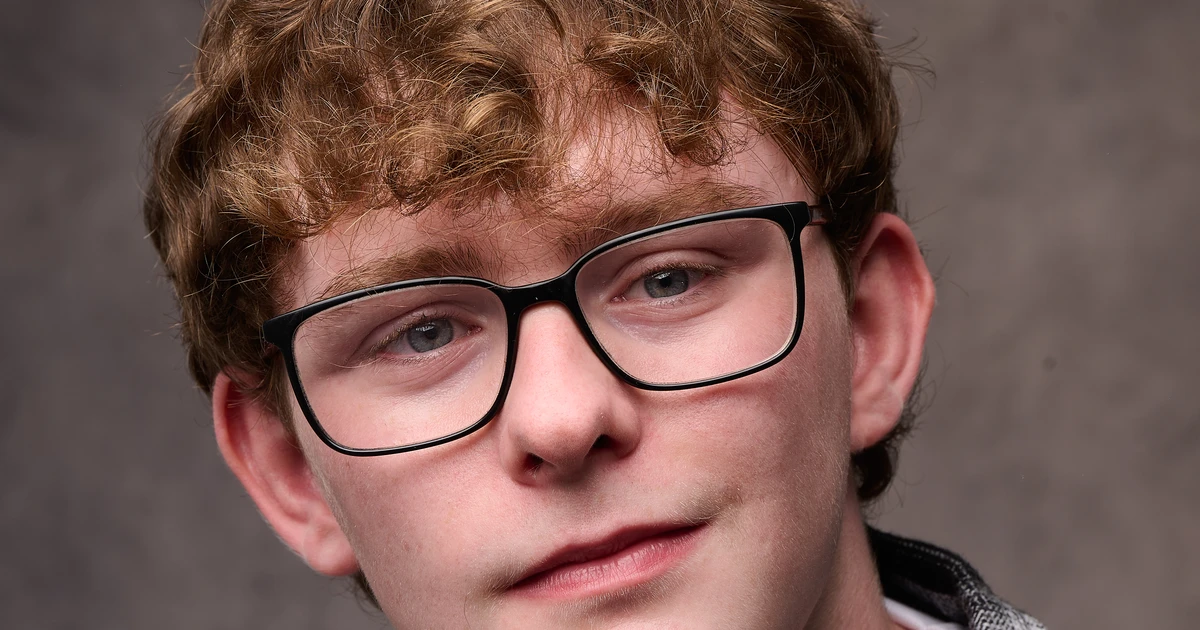
Nobody needs to learn a routine of poses before a shoot. When clients ask us how to pose headshots, what they usually mean is: how do I avoid looking stiff, awkward, or not quite like myself? The answer has less to do with striking a pose than with a handful of small adjustments that let your face and your character come through.
A good headshot needs to be believable. For an actor, that means giving a casting director a clear sense of who'd walk into the room. For a business owner or a team member, it means looking capable, approachable and comfortable in your own skin. We guide all of this during the session, but knowing roughly what to expect makes the camera a lot less daunting.
Posture first, and don't stand to attention
The camera picks up tiny things people miss in the mirror. A raised shoulder, a chin pushed too far forward, a smile held a beat too long — any of them changes the whole feel of a frame. What we're after is good shape and posture, then enough movement through the session that nothing sets rigid.
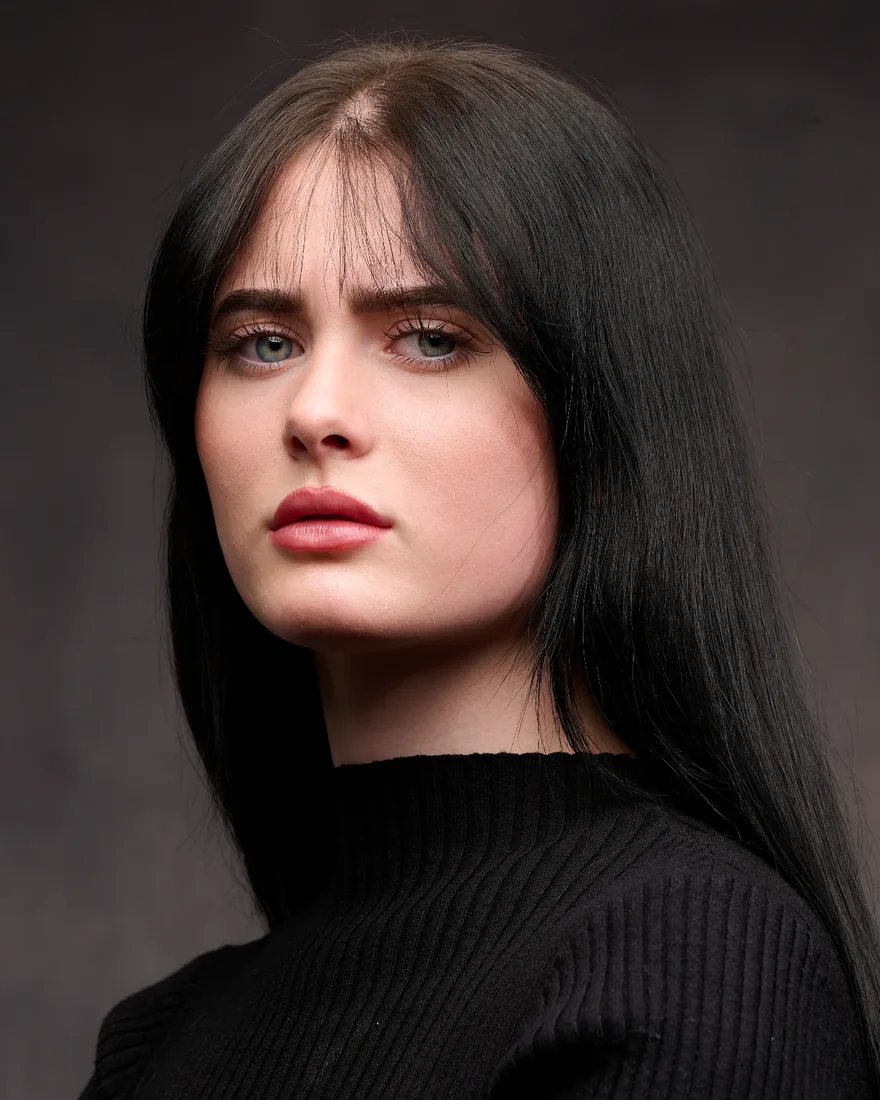
Stand tall without standing to attention. Let the shoulders drop, lengthen through the spine, and put a little more weight through one leg than the other. That alone kills the straight-on passport stance and gives the body a more relaxed line.
We'll usually turn your body slightly away from the camera, then bring your face back to the lens. Simple change, but it creates shape through the shoulders and keeps the portrait on your eyes. How far we turn depends on your build, what you're wearing and the style of headshot you need — a corporate portrait often suits a more open, direct position, while actor work can take more variation.
Chin forward, then very slightly down
This is the most useful piece of direction there is, and the easiest to overdo. Bringing the head very slightly forward defines the jawline and stops the neck disappearing into the shoulders. A small drop of the chin then keeps the eyes properly engaged with the lens.
The important word is slightly. Push too far and it feels forced. Drop the chin too much and you end up peering upwards. We make these changes in millimetres rather than miles, and check each one on screen as we go.
Let the eyes do most of the work
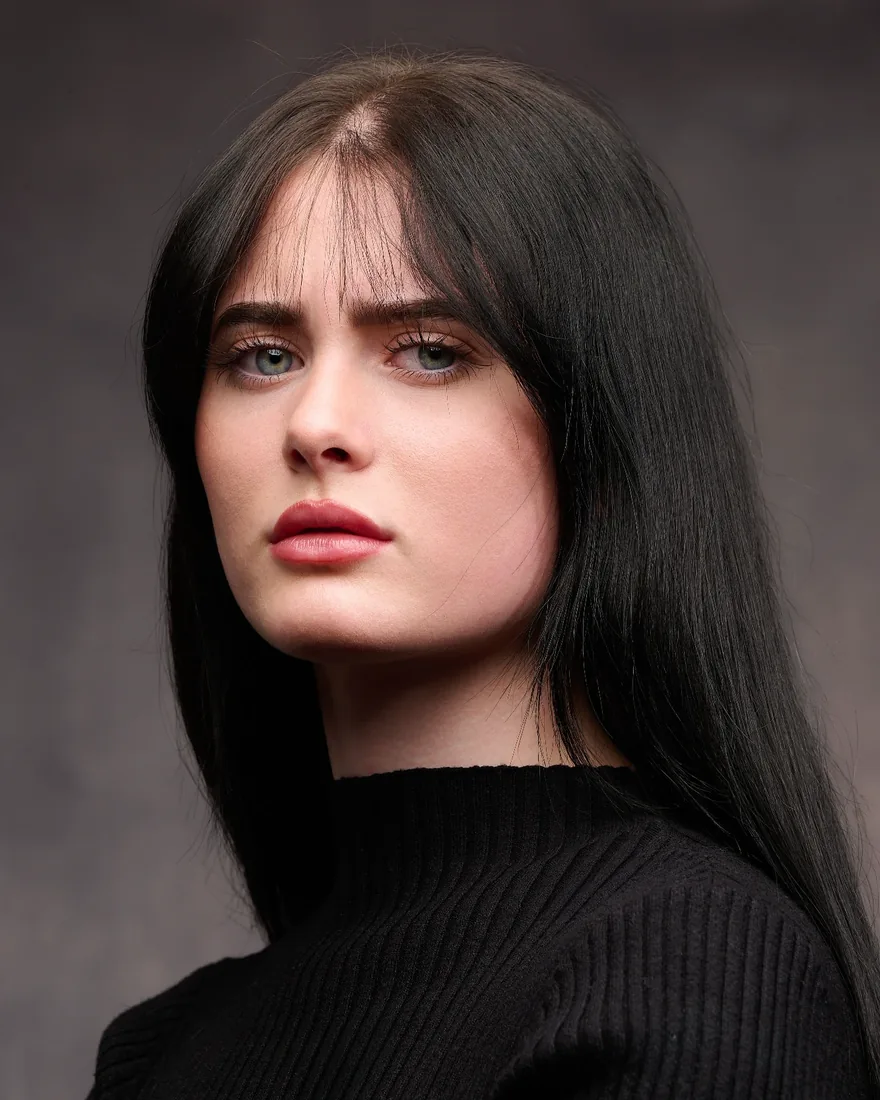
A strong headshot is nearly always about the eyes. You don't need to stare, and you certainly don't need to look serious. Settle your gaze on the lens and give yourself a moment before the shutter goes. Think about talking to a person rather than performing at a camera.
For business portraits we might ask you to think about a good meeting, a client you like, or something you're quietly proud of. For performers the direction gets more specific: open, warm, thoughtful, guarded, quietly confident. None of it is pretending to be somebody else. It's finding real versions of expressions that already belong to you.
Match the expression to the job
There's no single correct expression. It depends on where the image will live and what you want people to take from it.
A solicitor, consultant or senior leader usually needs something calm and direct — dependable, easy to deal with. Somebody at a creative agency or an independent brand can carry a more relaxed smile and a bit more personality. Actors normally need a small range: one open and friendly, one neutral, perhaps one with more edge, depending on casting.
A forced grin rarely helps anyone. If a full smile feels unnatural, start softer. Relax the mouth, breathe out, and let the corners lift only as far as they want to. A genuine half-smile reads as more confident than a smile held too long — it's a believable expression, not a stock-photo version of confidence.
We also reset between frames. Look away for a second, roll the shoulders, breathe, come back. That short break stops the expression setting and gives us a much better chance of catching something natural.
What to do with your hands
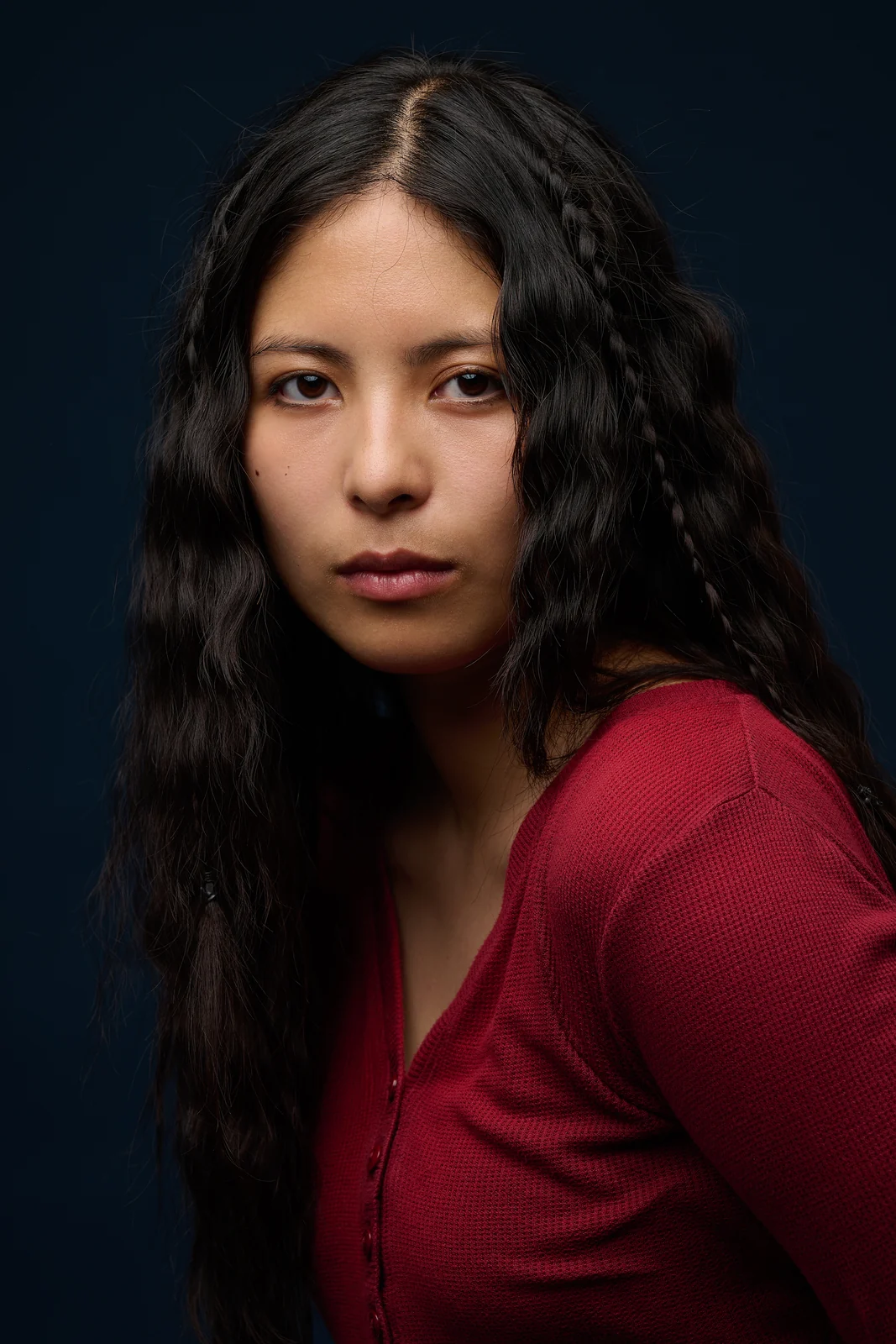
In a tight head-and-shoulders crop your hands may never appear. They still matter. Clenched hands, or arms pressed hard against your sides, travel straight up into the shoulders and jaw and make the whole frame feel tense.
If they're out of shot, let them rest. Lightly hold one wrist, put a thumb in a pocket, let the arms hang with a bit of bend in them. Avoid burying both hands deep in pockets for a business portrait — it reads too casual and it bunches the jacket.
On a wider crop, one hand near the lapel, at your side, or resting against the other arm all work. Keep the fingers soft. We're not building a fashion pose, just giving the body something ordinary to do.
Movement beats holding a pose
People assume a headshot session means finding one position and freezing. In practice the better frames usually happen between the planned ones — a slight turn of the head, a breath, a laugh after some direction, the moment you settle back in.
So we make small changes rather than asking anyone to perform. Turn a fraction towards the window. Bring one shoulder down. Look just past the camera, then back to the lens. Each adjustment gives us options without the session starting to feel like hard work.
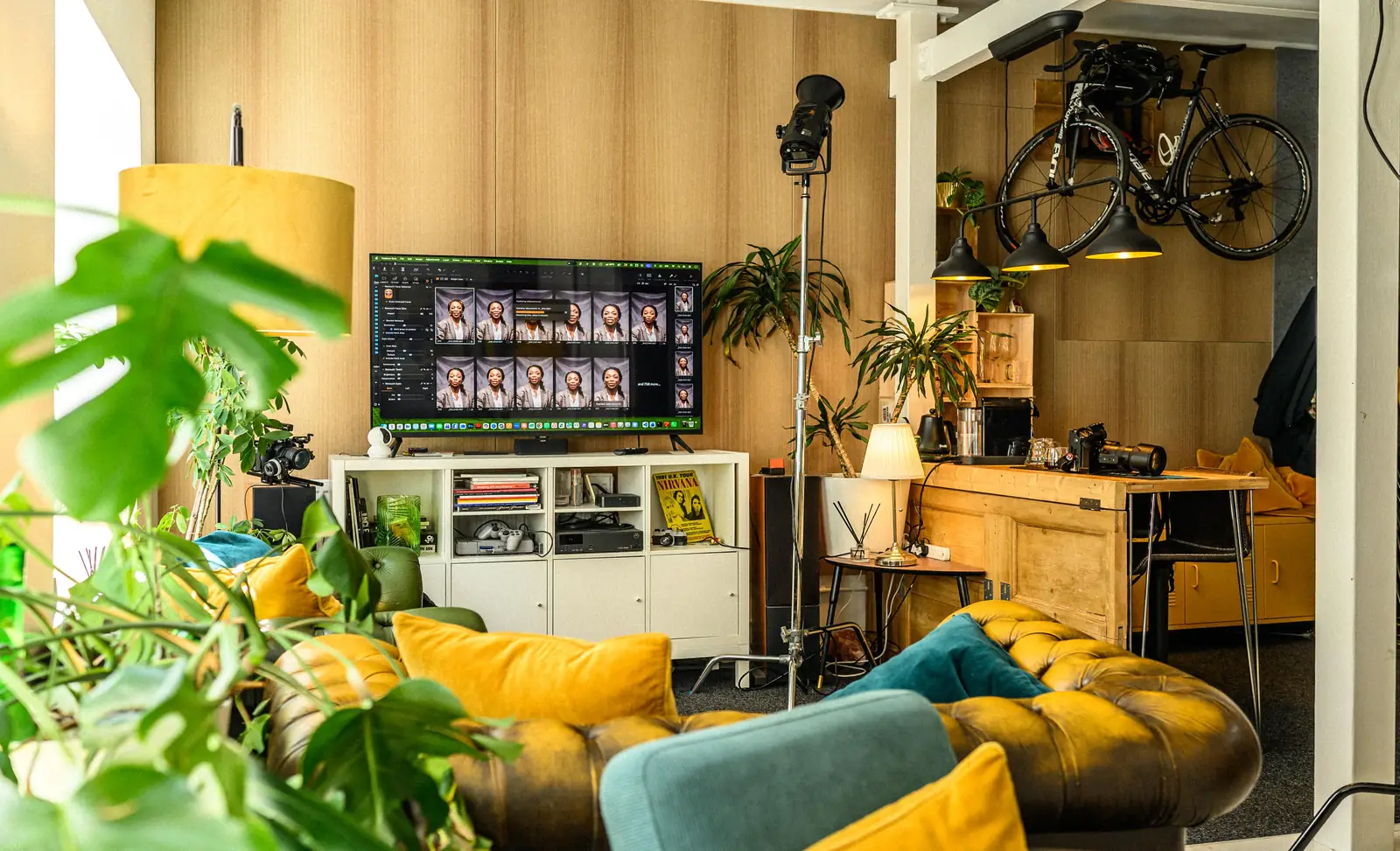
That matters most if you're nervous. You don't have to get everything right at once. We'll handle angles, lighting and framing; your job is to stay present, listen, and keep breathing normally. Everything appears on a big screen as we shoot, which is why we shoot tethered — you can see it working rather than take our word for it.
%2520(1).webp)
Dress for how you want to be seen
Clothing affects posing because it affects how you feel. A jacket that's tight across the shoulders will make you tense. If you're worrying about a neckline, a crease or a colour that's too bright, it shows in the expression.
Pick clothes that fit and make sense for your industry or casting type. Solid colours keep attention on the face. Mid-tones, darker blues and greens, charcoal and warmer neutrals tend to work, though the right answer depends on your complexion, hair and the background. Busy patterns, large logos and shiny fabrics pull focus off you.
Bring a couple of options. A smart jacket and a more relaxed layer give distinctly different looks without changing the whole setup. For actor work, think about the roles you're genuinely right for rather than dressing as a character. Our guide on what to wear for headshots goes through this properly.
The mistakes we see most
They're all understandable ones. Standing square to camera flattens and widens the body. Pulling the chin back compresses the neck. Shoulders creep up when someone's trying hard to look upright. Smiling non-stop tires the face out.
There's also the pull of copying poses off social media. Some are lovely in fashion or lifestyle work and look distinctly odd on a LinkedIn profile or a casting directory. A headshot doesn't need to be fashionable to work. It needs to be clear, well lit and recognisably you.
The biggest one is judging every frame as it's taken. Ten minutes in front of a camera makes anyone overcritical. Let us watch the things that actually matter — posture, the light across the face, expression, eye contact, and whether the picture is useful for what you need it for.
A little preparation makes posing easier
Get a decent night's sleep if you can and leave enough time to arrive without rushing. Have some water. Skip the elaborate last-minute routines. The preparation that helps most is knowing why you need the headshots and where they're going.
Do tell us if you dislike one side of your face, if there's an old photo you've always felt comfortable in, or if something specific worries you. That's useful information, not vanity — we can test angles, change the lighting and work towards something that still looks like you on a good day.
Whether it's updating a business profile, building an actor portfolio or putting faces to a growing Yorkshire team, the most flattering pose is usually the one you've stopped thinking about. Let yourself be directed, make the small adjustments, and let the camera catch you once you've settled — present, and recognisably yourself.
Frequently Asked Questions
How should I pose for a professional headshot?
Stand tall with the shoulders dropped, weight slightly on one leg, body turned a little away from camera and your face back towards the lens. Bring the chin very slightly forward, then a fraction down. We'll fine-tune all of it on the day.
Should I smile in my headshot?
It depends where the image is going. A calm, direct expression suits professional services; a warmer smile suits creative and independent brands. If a full smile feels unnatural, don't force one — a relaxed half-smile usually reads as more confident.
What do I do with my hands?
In a tight crop they won't be visible, but keep them relaxed anyway, because tension travels up into the shoulders and jaw. On a wider frame, one hand near the lapel or resting against the other arm works well. Keep the fingers soft.
How do I stop looking stiff in photos?
Keep moving in small ways and reset between frames — look away, breathe, roll the shoulders, come back. The frames worth keeping are usually the ones just after a direction rather than the held pose.
What should I wear for a headshot?
Something that fits comfortably, in a solid mid-tone or darker colour, appropriate to your industry or casting type. Avoid busy patterns, large logos and shiny fabrics. Bring two or three options so we can vary the look.
Where is the studio and how do I book?
Dock Street Studio is at Unit 9, 30–38 Dock Street, Leeds LS10 1JF, in central Leeds near Leeds Dock and a short walk from Leeds train station, with parking onsite. Book online, email hello@dockstreetstudioleeds.co.uk, or call 0113 4400102.
Book your headshot session in Leeds
You don't need to arrive knowing how to pose — that's our job. Bring the brief, a couple of outfit options and we'll direct the rest. Book online, email hello@dockstreetstudioleeds.co.uk, or call 0113 4400102.
Written by Mark Wheelwright
Commercial photographer & studio owner, Leeds | ISO Photographic Ltd
Dock Street Studio, Unit 9, 30–38 Dock Street, Leeds LS10 1JF
18 years in business | 900+ projects | 300+ five-star reviews | 1M+ shutter count
dockstreetstudioleeds.co.uk
Shot, written and built by the Dock Street team
Every guide on this blog comes from the team at Dock Street Studio — Mark behind the camera with 18+ years' experience, Nicole on styling and lighting, Beya on video and bookings and Austin keeping the site fast and findable. If you'd rather have us do it than read about it, book a session or explore our photography services in Leeds.