


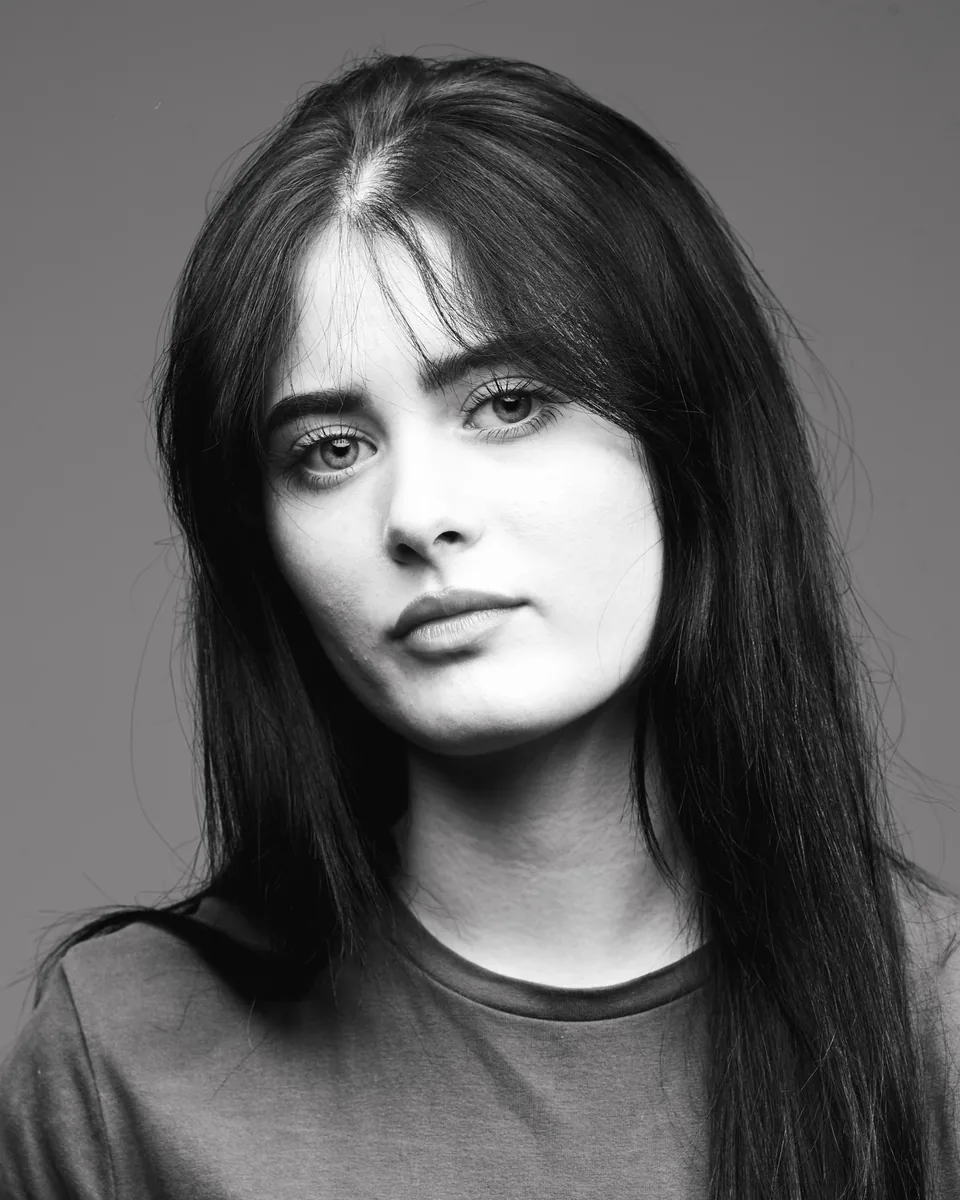
Most casting headshots are looked at in a list. Forty small thumbnails on a casting platform, scrolled through by someone who is behind on a deadline and needs a part filled by Friday. Your photograph gets a second or two to make that person stop and open the rest of your profile.
That is not a reason to panic, and it is not a reason to chase something clever. It is a reason to make the picture honest, current and easy to read. The casting headshot mistakes below are the ones we see most often when actors come into our studio for an update, and almost none of them are about how you look. They are about the photograph failing to do a fairly simple job.
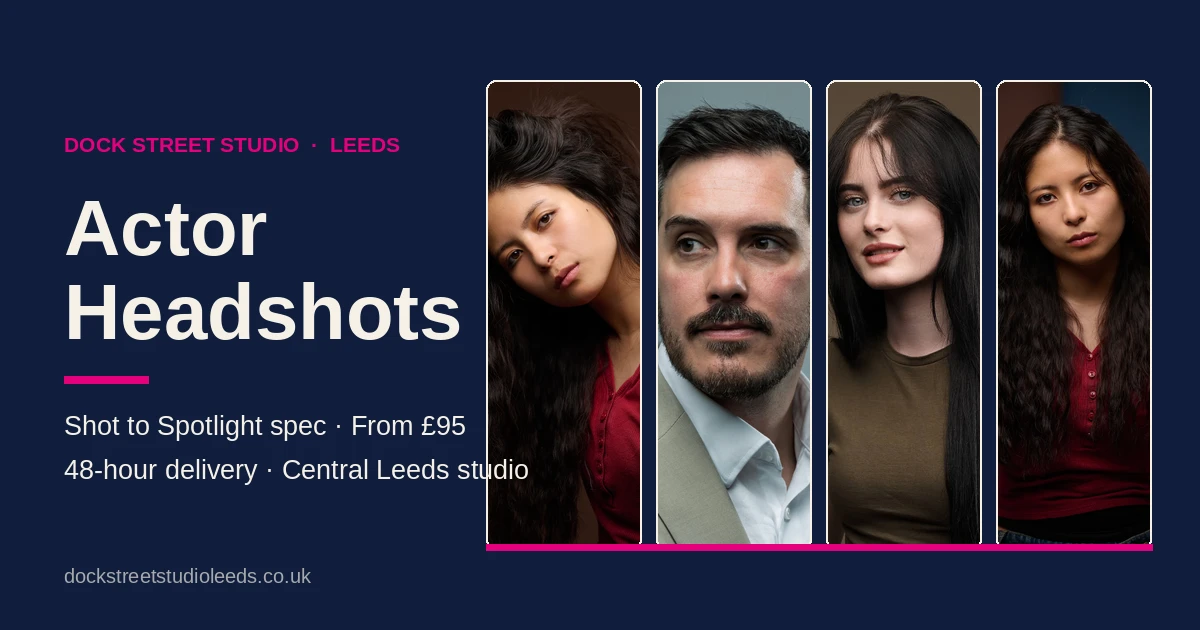
Audit the headshot you are using now
Before you book anything, spend five minutes with the images you already have. Open your casting profile on a phone rather than a laptop, because that is how most people will see it. Let the picture sit at the size it actually appears.
Then ask one question. If a casting director met you tomorrow morning, would they know it was you? Not whether it is flattering, not whether you like your hair in it. Would they recognise you. Ask someone honest, not the friend who says every photo of you is lovely.
If the answer is a comfortable yes, you may not need a shoot yet. We would rather tell you that than sell you one. Plenty of actors come to us six months earlier than they needed to, and a headshot that still works is worth keeping. The rest of this is for when the answer is no, or a wobbly maybe.
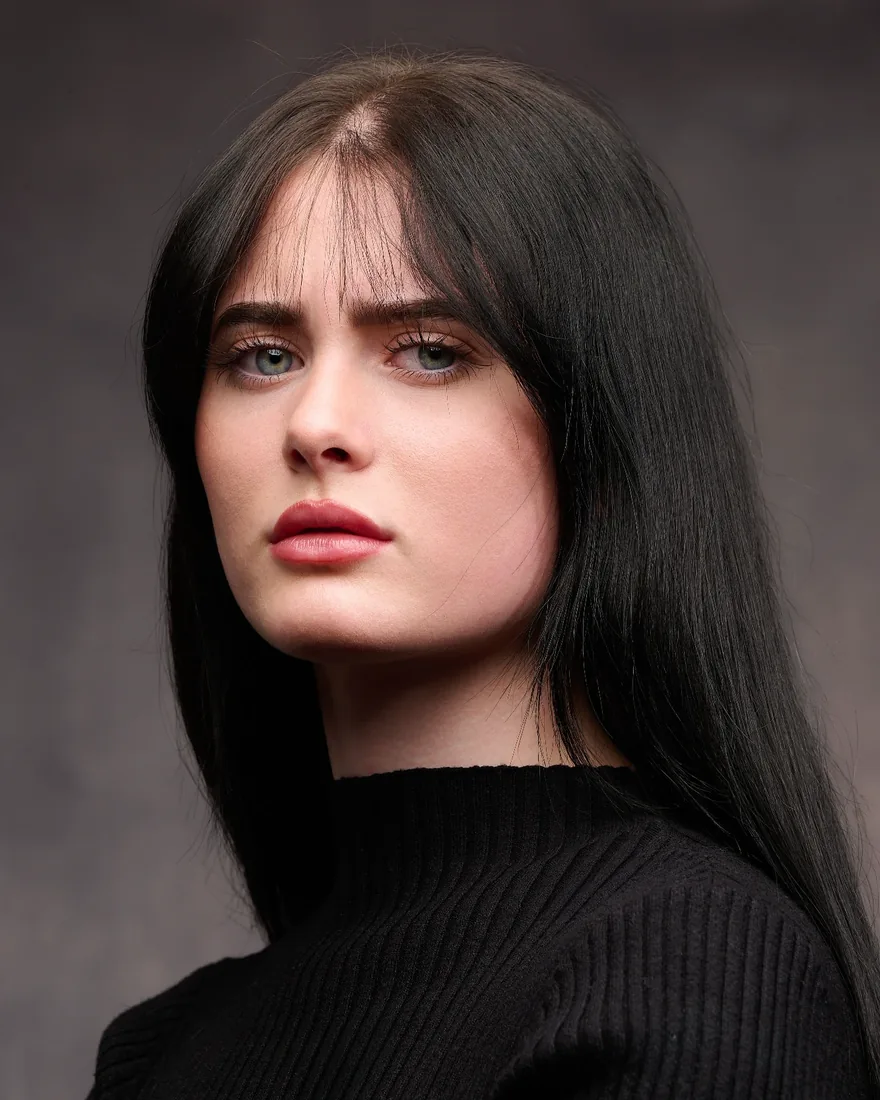
Casting headshot mistakes in the photograph itself
The photograph is no longer you
This is the big one, by a distance. A headshot taken a few years ago, before a significant haircut, a change in shape, new glasses or a beard that came and went, sets up an awkward first thirty seconds in the room. It can be a lovely photograph and still be the wrong one.
Update when your appearance changes noticeably, and give the whole set a proper look every year or two. Casting teams are not keeping score. They do notice when the person who walks in is not quite the person on the file.
A blank face standing in for a neutral expression
Neutral does not mean empty. Plenty of actors arrive having been told to keep it neutral, and what comes out is the face you make waiting for a bus in the rain on Briggate. Neutral should mean settled, present and recognisably yourself, with something going on behind the eyes.
Being told to relax has never relaxed anybody. That is why we work with small prompts and specific adjustments rather than leaving you to guess what your face is doing. You don't need to arrive knowing how to pose. That's our job.
Intensity with nothing behind it
The opposite failure is the hard stare. Strong eye contact is genuinely useful for some casting, but intensity with no warmth or thought behind it is difficult to place, and it dates faster than almost anything else. It is usually borrowed, either from a trend or from somebody else's gallery.
Decide what read you actually want. Open, watchful, grounded, dry, quietly unsettling. One of those, clearly. A casting director does not need the emotional arc of a six-parter in a single frame. They need a believable expression, not a stock-photo version of confidence.
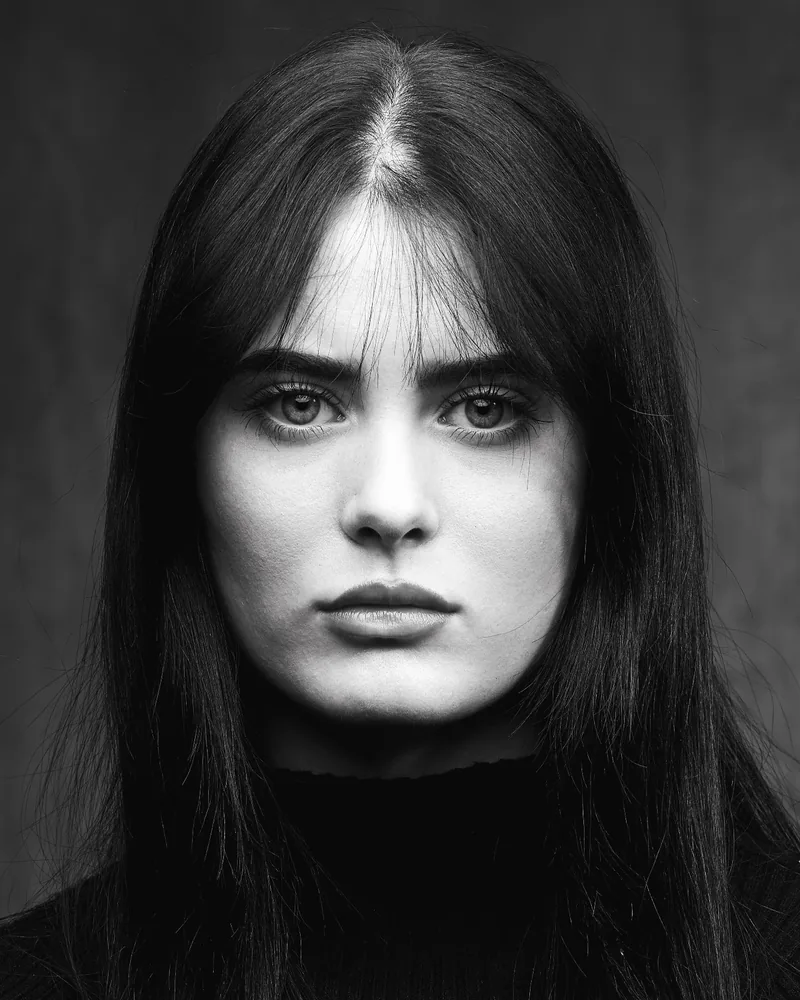
Mistakes in the lighting and the background
Dramatic lighting where clear lighting was needed
Moody shadow, coloured gel and heavy cinematic grading all have a place. That place is usually promotional artwork, an editorial portrait or a project poster, not your main casting image. For the headshot that has to work everywhere, clarity wins.
Your eyes need to be visible. Skin tone needs to read accurately. The light should describe the shape of your face without losing half of it to shadow. That does not mean flat and identical for everyone. Light can have direction and character. It simply should not become the subject of the picture.
A background that competes with you
A busy wall, a recognisable street, a blur so aggressive it looks synthetic. All of them pull the eye away from the thing that matters, and backgrounds tend to date a headshot faster than clothing does.
A neutral studio backdrop and an understated location can both work. Which one suits you depends on your casting rather than on fashion. What matters is separation: you should stand clear of the background without looking cut out and dropped onto it. We usually talk through how your casting type shapes those choices before we light anything.
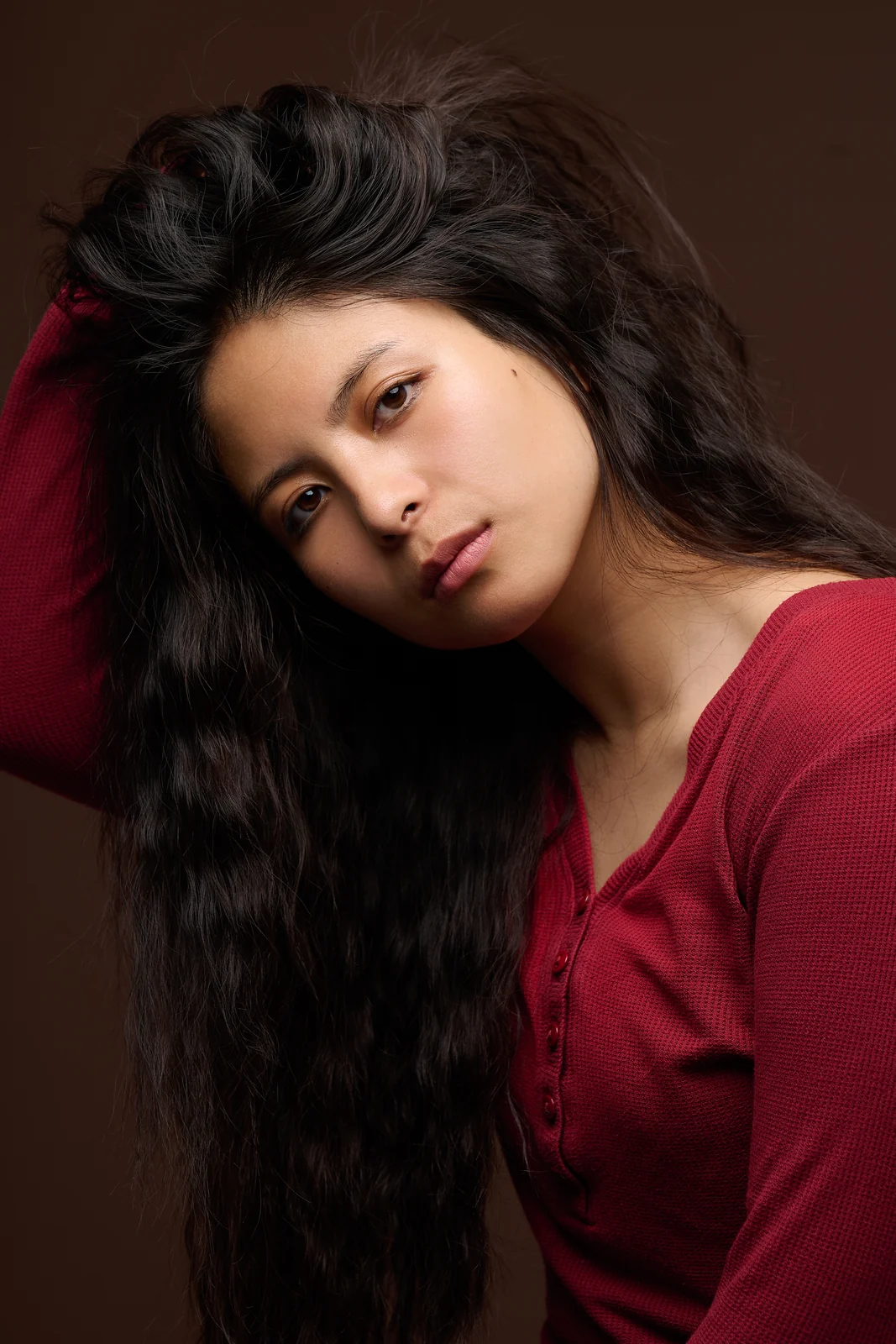
Mistakes in styling and the edit
Clothes doing all the talking
The wardrobe that works is usually simple, well fitting and in colours that sit well with your complexion. Not everything has to be black. A deep blue, forest green, rust or soft neutral can all be excellent. The test is whether your face is still the first thing anyone sees.
Steer clear of busy pattern, large logos, slogans and anything that feels like fancy dress. Be careful too with an outfit that argues hard for one narrow casting idea, unless that is genuinely where you sit at the moment. A leather jacket can be right for a particular brief. It should not be the only version of you on file.
Bring two or three options. Seeing them under studio light beats guessing in the mirror at home, and comparing them costs us about ninety seconds.
An edit that sands off your character
Good retouching is quiet. We will deal with a temporary blemish, shine, a stray hair, a crease in a collar. What we will not do is smooth every line, brighten teeth until they glow, or reshape a jaw.
Casting teams are looking for a person they can put in a room, on a set or in an ensemble. Texture, expression lines and the slightly particular thing about your face are part of what makes you castable. Our approach to editing and retouching is deliberately restrained for that reason. A polished image should still look like you on a good day.
Mistakes in how the images get used
Asking one frame to cover every casting type
You might play warm and capable, dry comedy, a frayed parent and cold authority. That range is real. One photograph cannot hold all of it, and when an actor tries, the result reads as vague rather than versatile.
Lead with your strongest, most natural lane. Then build a small set with genuinely distinct energy where it earns its keep. The differences are often small: a different top, a shift in posture, a lighter expression, more or less direct eye contact. If you are unsure how big that set needs to be, we have written about how many headshots actors actually need at different points in a career.
Sending the wrong crop or the wrong file
A good photograph can still be let down at the last step. Heavily compressed files, screenshots lifted off social media, a visible watermark, a crop so tight that the top of your head has gone. Casting teams see hundreds of these and none of them help you.
Keep a high-resolution master stored safely, plus a sensibly sized copy for online profiles. Check how the crop behaves on the platform you use, because some show a square thumbnail and others favour portrait. Your eyes should still be legible when the image is the size of a stamp. It also helps if your headshot, credits, playing age and showreel tell a compatible story.
Booking a shoot with no room to breathe
Arriving straight off a shift, flustered, expecting the first frame to be the keeper, is a reliable way to get stiff pictures. Give yourself enough time to get here, have a brew, change and get used to the room. The camera sits close, and that feels exposing for the first few minutes for nearly everybody.
We would far rather spend ten minutes talking it through properly than force the pace. That goes double if this is your first professional session, or you are coming back after a long gap.
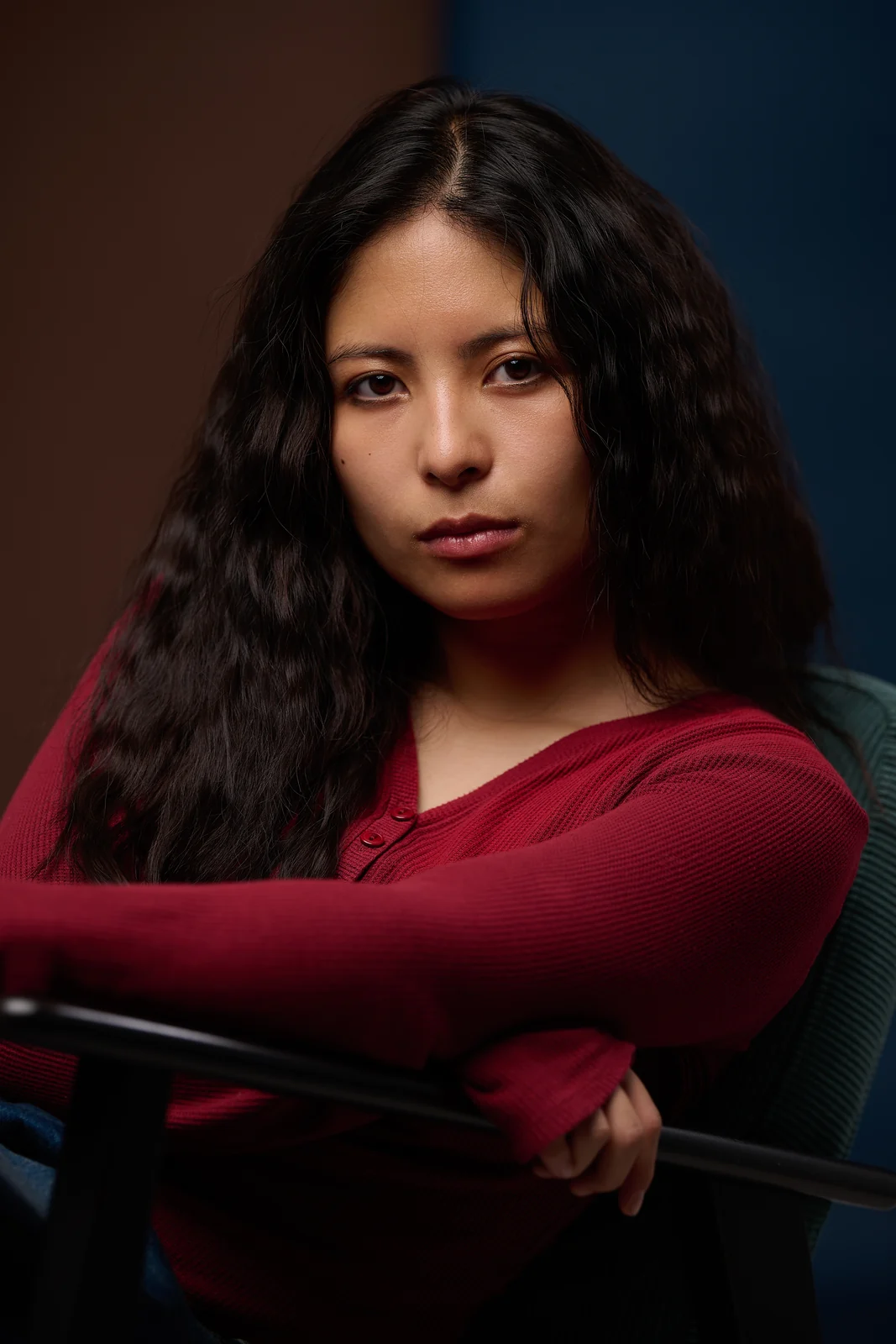
How to brief us before the session
Come with a clear idea of where the images are going. Spotlight, an agency submission, a casting profile, a theatre programme, your own site. Each has slightly different needs, and knowing them changes how we crop and light.
References are useful for tone and much less useful as instructions. Your face, colouring and casting are not the same as the actor in the picture you liked, so the lighting has to be built around you rather than copied off a screen.
Avoid drastic changes in the days beforehand. A brand new cut, an unfamiliar skincare treatment or a heavier make-up look than you would normally wear can leave you feeling like a stranger to yourself, and that shows in the eyes. Tidy and familiar is the target. Our guide to preparing for actor headshots covers the week beforehand in more detail.
The practical argument for a studio is control. We manage the light, the background, the temperature and the pace, which leaves us free to concentrate on expression. There is no weather to negotiate either, and in Yorkshire that is not a small thing.
Frequently Asked Questions
How often should I update my casting headshot?
Whenever your appearance changes in a way other people would notice, and otherwise every year or two. If you have gone from clean-shaven to a full beard, or grown your hair right out, the clock has already run out.
Should my main headshot be colour or black and white?
Colour, for the image you lead with. Black and white can be a lovely second option and suits some theatre work, but most platforms and most casting teams want to see your actual colouring.
How many looks should I get from one session?
Two or three genuinely distinct looks is plenty for most actors, and one strong lead image matters more than a large gallery. We would rather get three that differ than eight that all say the same thing.
Is an outdoor headshot a problem for casting?
Not automatically. An understated outdoor background can work well if it stays quiet behind you. The risks are a busy or recognisable location, and the fact that Yorkshire weather rarely holds still long enough to shoot a consistent set.
What file should I upload to a casting platform?
Keep the full-resolution master safe and upload the largest version the platform accepts, then check the thumbnail crop afterwards. If your eyes disappear at small size, pick a different frame rather than re-cropping the same one.
Where is the studio and how do I book?
Dock Street Studio is at Unit 9, 30–38 Dock Street, Leeds LS10 1JF, in central Leeds near Leeds Dock and a short walk from Leeds train station, with parking onsite. Book online, email hello@dockstreetstudioleeds.co.uk, or call 0113 4400102.
Book your actor headshots in Leeds
If your current image no longer passes the recognition test, we can put that right in a single session, with the frames coming up on screen as we shoot so you can see exactly what we are getting. Book online, email hello@dockstreetstudioleeds.co.uk, or call 0113 4400102.
Written by Mark Wheelwright
Commercial photographer & studio owner, Leeds | ISO Photographic Ltd
Dock Street Studio, Unit 9, 30–38 Dock Street, Leeds LS10 1JF
18 years in business | 900+ projects | 300+ five-star reviews | 1M+ shutter count
dockstreetstudioleeds.co.uk
Shot, written and built by the Dock Street team
Every guide on this blog comes from the team at Dock Street Studio — Mark behind the camera with 18+ years' experience, Nicole on styling and lighting, Beya on video and bookings and Austin keeping the site fast and findable. If you'd rather have us do it than read about it, book a session or explore our photography services in Leeds.