


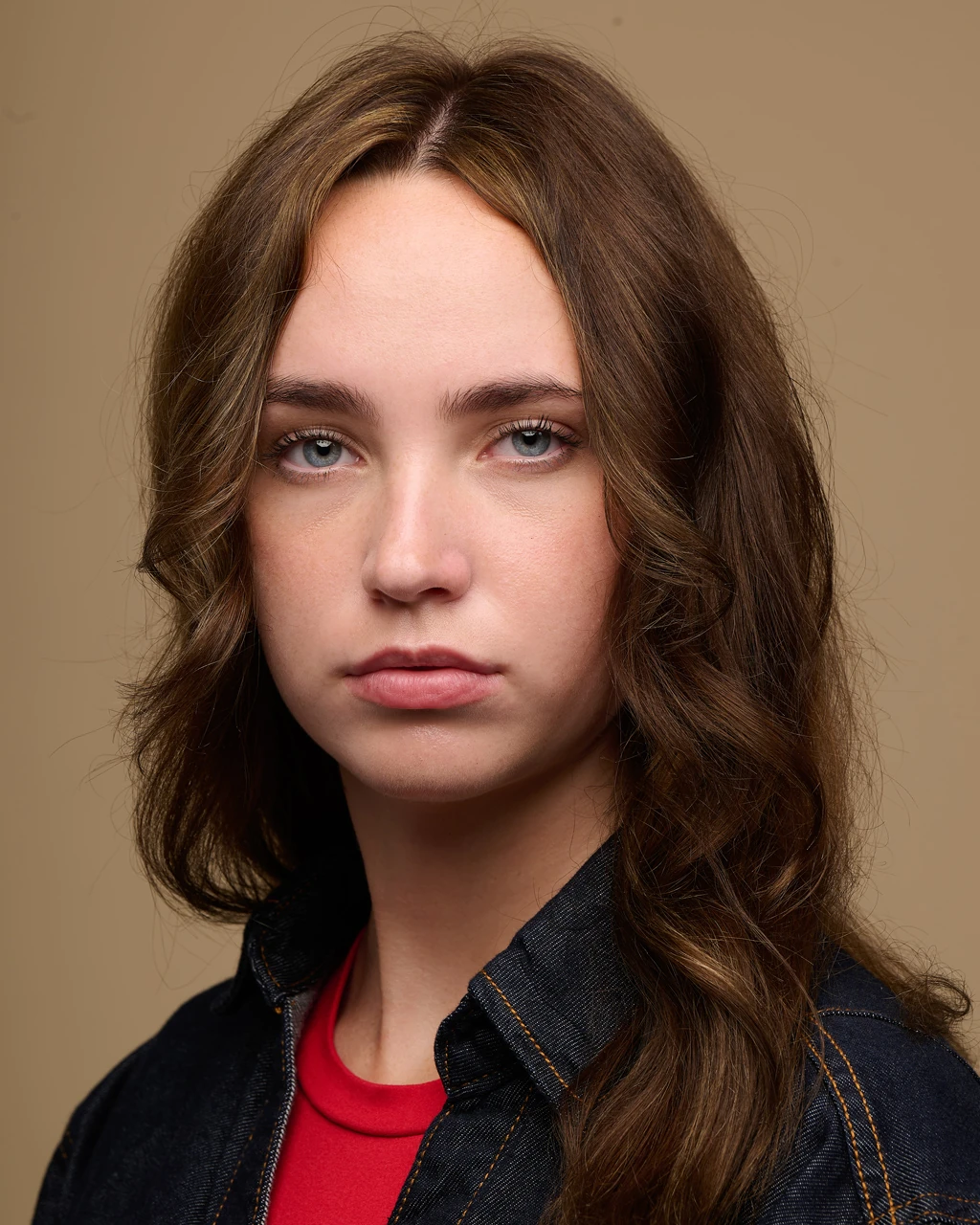
A headshot is often the first thing a casting director, client, recruiter or potential customer sees. They may only look for a few seconds. That is why knowing how to choose headshots is less about picking the most flattering photo and more about choosing an image that feels credible, current and right for the job.
We see this regularly in our Leeds studio. A brilliant actor can choose a striking portrait that gives completely the wrong casting impression. A business owner can select a polished photo that is so heavily retouched it no longer looks like the person who walks into the meeting. Good headshots should open a door, not create confusion when you arrive.
Start with the job your headshot needs to do
Before comparing poses or worrying about which side is your best side, be clear about where the image will appear. The right choice depends on the audience.
An actor’s headshot needs to help someone imagine them in a role. A friendly, open commercial image might suit adverts, corporate films or presenter work. A more intense, pared-back portrait may be useful for dramatic casting. Neither is automatically better. The question is whether it represents the sort of work you want to be considered for, while still looking like you.
For a business owner, consultant or member of a team, the priority is usually trust. Your photo may sit on a website, proposal, press release, LinkedIn profile or company directory. It should look professional without feeling stiff. If your work is relationship-led, a warm expression matters. If you lead a creative practice, you may have room for a little more personality in the styling and setting. A solicitor, architect and independent fashion brand founder do not all need the same photograph.
A useful test is simple: imagine a stranger seeing the image before meeting you. Would they recognise you quickly, and would the photo set the right expectation? If the answer is no, keep looking.
Choose headshots that look like you now
The strongest headshot is current. It sounds obvious, but people often hold on to an image because they like how they looked in it five years ago. Hairstyles change. Glasses change. Faces change. That is normal. A headshot is not meant to be a permanent portrait of your favourite version of yourself.
This matters particularly for actors. Casting teams need to know who will walk into the room or appear on a self-tape. If your hair is now shorter, you wear glasses most days, have grown a beard or your overall look has changed, your main image should reflect that. You can keep an older image for yourself, but it should not be leading your professional profile.
The same applies to business imagery. If your website still shows a much younger version of you, or a team member who left years ago, it can make the business feel neglected. Refreshing headshots does not mean chasing every trend. It means keeping your public face honest and well looked after.
Look for expression before technical perfection
People can get stuck comparing tiny differences in sharpness, background tone or the angle of a shoulder. Those details matter, but expression usually matters more. A technically perfect image with a vacant or forced look will not work as well as a slightly less formal frame that has genuine connection.
When reviewing your gallery, do not only ask, ‘Do I look good?’ Ask, ‘What does this image communicate?’ You may find that a photo you first dismissed because your smile is not perfectly symmetrical actually feels relaxed, engaged and believable. That is often the keeper.
For professional portraits, look for calm confidence rather than a fixed grin. A natural expression can be warm without being overly cheerful. For actor headshots, range is useful, but each image still needs to feel truthful. Trying to look mysterious, quirky or serious can quickly become a performance of an idea rather than a recognisable version of you.
At Dock Street Studio Leeds, we direct clients through the session rather than expecting them to arrive knowing what to do with their hands and face. That gives you more natural options when it comes to selecting final images.
Match the lighting and background to your purpose
Lighting changes the feel of a headshot more than most people expect. Soft, even light tends to feel approachable and clear. It is a strong choice for corporate portraits, professional profiles and commercial actor headshots. More directional light can add shape, contrast and mood. That may suit editorial work, creative professionals or an actor looking for a more dramatic option.
There is no need to choose the moodiest image just because it feels more artistic. A heavily shadowed portrait can look great in isolation but may become difficult to use as a small thumbnail on a casting platform or company website. Likewise, a very bright white background can be clean and versatile, but it may not suit every personal brand.
Think about consistency too. If a whole leadership team is being photographed, the images should belong together. That does not mean every person needs the same expression or pose. It means the light, background, framing and overall standard should feel coherent when the photographs appear side by side.
Pay attention to crop and practical use
A headshot has to work at different sizes. The close crop that looks brilliant on a casting profile may feel too tight for a website banner. A horizontal image may suit a press feature but be less useful for a round social profile picture. This is why it is worth planning your uses before the shoot and reviewing the gallery with those uses in mind.
For most people, it helps to select one clear main headshot first. This is the image that will work in a small square, on a profile page and in a professional directory. Then choose a couple of supporting images with a different expression, crop or orientation if your package includes them.
For actors, avoid selecting several photographs that are essentially the same. A small change in head angle is not a different look. Choose images that give casting teams a useful sense of your range without becoming a collection of unrelated characters. For business use, choose a main image that is consistent with the rest of your brand photography, particularly if it will sit alongside office, product or team images.
Be careful with clothing, colour and retouching
Your clothes should support your face, not become the subject of the photograph. Plain colours, simple layers and textures generally photograph well. Very bold logos, busy patterns and strong stripes can pull attention away, especially in a tight crop. That does not mean everybody needs a black top against a grey background. It means choosing something that feels like you, suits the intended audience and will not date quickly.
Colour is personal, but it affects the overall result. Some tones bring warmth to the skin, while others can make you look washed out under studio lights. If you are unsure, bring a couple of options. We can assess them properly under the lighting rather than guessing in a mirror at home.
Retouching should be respectful. We are happy to remove a temporary blemish or tidy small distractions, but your headshot should still show your skin texture, features and character. If a client meets you after seeing the photograph, the image should feel reassuringly familiar. Over-retouching can make a professional portrait look less professional, not more.
Get a second opinion, but do not hand over the decision entirely
Choosing your own headshot can feel oddly personal. We are all more critical of our faces than other people are. A trusted colleague, agent or friend can help you spot which image comes across most naturally. Give them a specific brief. Ask which photo looks most approachable, most credible or most suited to the work you want, rather than asking which one they simply like best.
If you are selecting business headshots, involve the person responsible for the website or brand where possible. They will understand how the image needs to sit within existing layouts. If you are an actor, an agent’s view can be valuable because they know the types of role you are already being submitted for.
Still, do not let a committee choose a photo that feels unlike you. You need to be comfortable using it. The right image should make you think, ‘Yes, that is me on a good day’, rather than, ‘I suppose everyone else preferred it.’
When more than one headshot makes sense
One excellent headshot is better than six average ones. But there are times when a small set is genuinely useful. Actors may need a commercial and a more dramatic option. A founder may need a formal portrait for press alongside a relaxed image for their own website. A creative business may use a clean studio headshot on LinkedIn and a wider environmental portrait in editorial content.
Keep the set focused. Each image should have a clear purpose. If you cannot explain why you need the second or third photo, put your effort into getting the main one right.
The best choice is rarely the image with the most dramatic lighting or the broadest smile. It is the one that makes the right person stop, look again and feel they know who they are dealing with. Give yourself permission to choose the frame that feels honest, useful and ready to represent you properly.
About the Author
Mark Wheelwright is a commercial and headshot photographer based in central Leeds, with over twelve years' experience shooting brands, products, people and events. He owns and runs Dock Street Studio, one of the largest and best-equipped photography studios in central Leeds, where he works with businesses across Yorkshire on campaign, ecommerce and portrait photography, alongside video and podcast production. The studio holds a 5-star Google rating from more than 70 reviews, with clients consistently noting Mark's patient, relaxed direction on set. To discuss a project, contact the studio or book online.
Shot, written and built by the Dock Street team
Every guide on this blog comes from the team at Dock Street Studio — Mark behind the camera with 18+ years' experience, Nicole on styling and lighting, Beya on video and bookings and Austin keeping the site fast and findable. If you'd rather have us do it than read about it, book a session or explore our photography services in Leeds.