


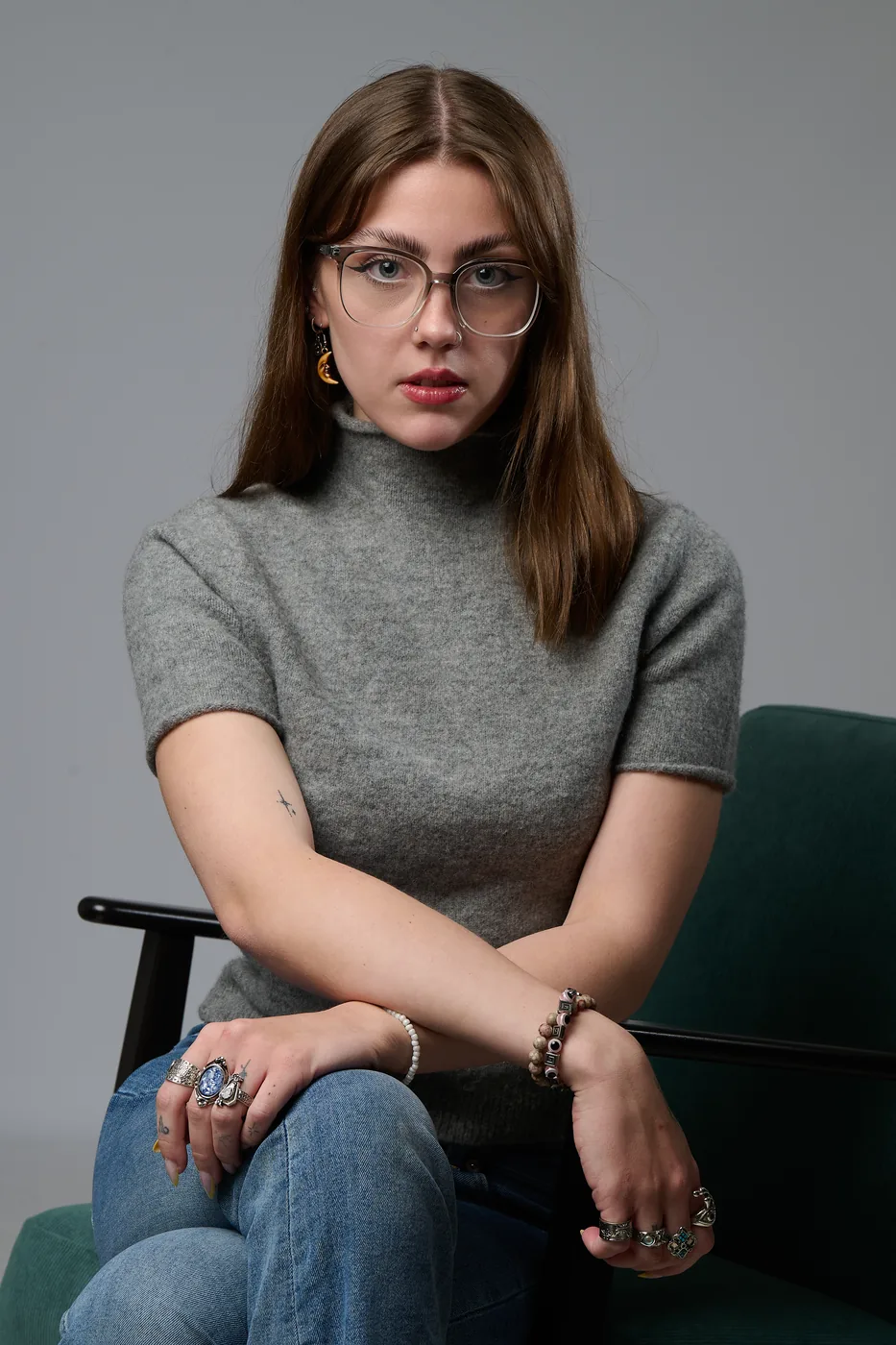
For a while, I thought 'casting type' was just a polite industry way of putting you in a box.
I didn't want a box. I wanted range. I wanted to be surprising. I wanted to be the actor no one could pin down.
So I did what I think a lot of actors do at the beginning: I tried to be everything. In auditions, I'd search for an edge. If the character was kind, I'd make her sharper. If she was vulnerable, I'd layer in toughness. I thought complexity meant adding more.
But over time, certain patterns became impossible to ignore.
The same kinds of notes came back to me. The same energy was commented on. The same adjectives resurfaced in different rooms.
At first, that frustrated me. I worried that being seen as warm meant being seen as simple. I didn't want to be underestimated. There's a quiet pressure in acting to prove you can access darkness, severity, hardness. I found myself subtly tightening in auditions — lowering my voice, holding eye contact a fraction longer than felt natural, trying to project a kind of steel.
And every time I did that, something felt slightly off.
"The turning point wasn't some big epiphany — it was something more practical than that."
I watched back a self-tape where I hadn't tried so hard. I'd been tired. I hadn't overthought it. I'd just read it simply, honestly, without adding weight that wasn't there.
It was better. Not bigger or flashier. Just clearer.
That's when I started paying attention to what actually felt effortless. The performances that landed weren't the ones where I transformed myself into something unrecognisable — although I certainly enjoyed those too. They were the ones where I allowed my natural instincts to lead: listening closely, thinking quickly, reacting truthfully.
I realised casting type isn't about the full extent of what you can do. It's about the initial energy you give off before you try to manipulate it.
Before you speak, you communicate something. The way you hold your body. The way your face rests. The way your voice naturally sits. That baseline matters more than we like to admit.
When I stopped fighting mine, things sharpened.
There's always going to be a learning curve, but I try not to walk into a room guarded. I don't project distance — I focus on connection.
Once I accepted that, my choices got more specific. I stopped asking 'how can I make this more impressive?' and started asking 'what is truthful here?'.
It also changed how I approached headshots. I'd previously chased intensity — moodier lighting, more dramatic expressions. But when I looked at the photos that felt most like me, they were the ones where my expression was open, alert, alive. Not smiling broadly, not blank. Just present.
It's uncomfortable to admit this, but ego plays a huge role in resisting your casting type. We want to believe we're limitless. And creatively, we are limitless.
But that doesn't mean you're stuck there forever. Type evolves. As you age, as your life experience deepens, the same qualities can translate differently. Openness can become steadiness. Warmth can become authority. Intelligence can become quiet power.
At any given moment, though, it helps to know what you naturally communicate. Once I stopped trying to override that, auditions felt calmer. More precise. I wasn't scrambling to prove my entire range in an hour or less. I was building from something solid. And there's freedom in that.
If you're trying to figure out your own casting type: look at the evidence, not your ambition. What roles do you consistently get called in for? What feedback repeats itself? When do directors lean forward instead of politely nodding?
But also — don't neglect yourself. What do you want to do? Where do you want to go? How do you get there from where you are right now?
Casting type isn't a verdict on your talent. It's the industry's shorthand for how you read right now — not your potential, not how many characters you can be in a five-minute self-tape. Embrace it. Work with it. Let it be the foundation, not the ceiling.
A note from Dock Street Studio
Nicole's point about headshots is one we hear a lot: the photos that feel most 'you' are rarely the ones where you tried the hardest. Getting that natural, present expression on camera takes a relaxed environment and a photographer who knows how to create one. That's exactly what Mark focuses on at every headshot session — whether you're shooting for Spotlight, a personal portfolio, or your first set of professional images.
Book actor headshots at Dock Street Studio, Leeds: dockstreetstudioleeds.co.uk
About the author
Nicole Sheyni Actor • Copywriter • Lighting assistant, Dock Street Studio Leeds
Nicole is a working actor and copywriter based in Leeds. She is part of the Dock Street Studio team, contributing guest articles on acting craft, the industry, and the role of strong visual presentation in an actor's career. Her writing draws on lived experience in auditions, training, and professional practice.
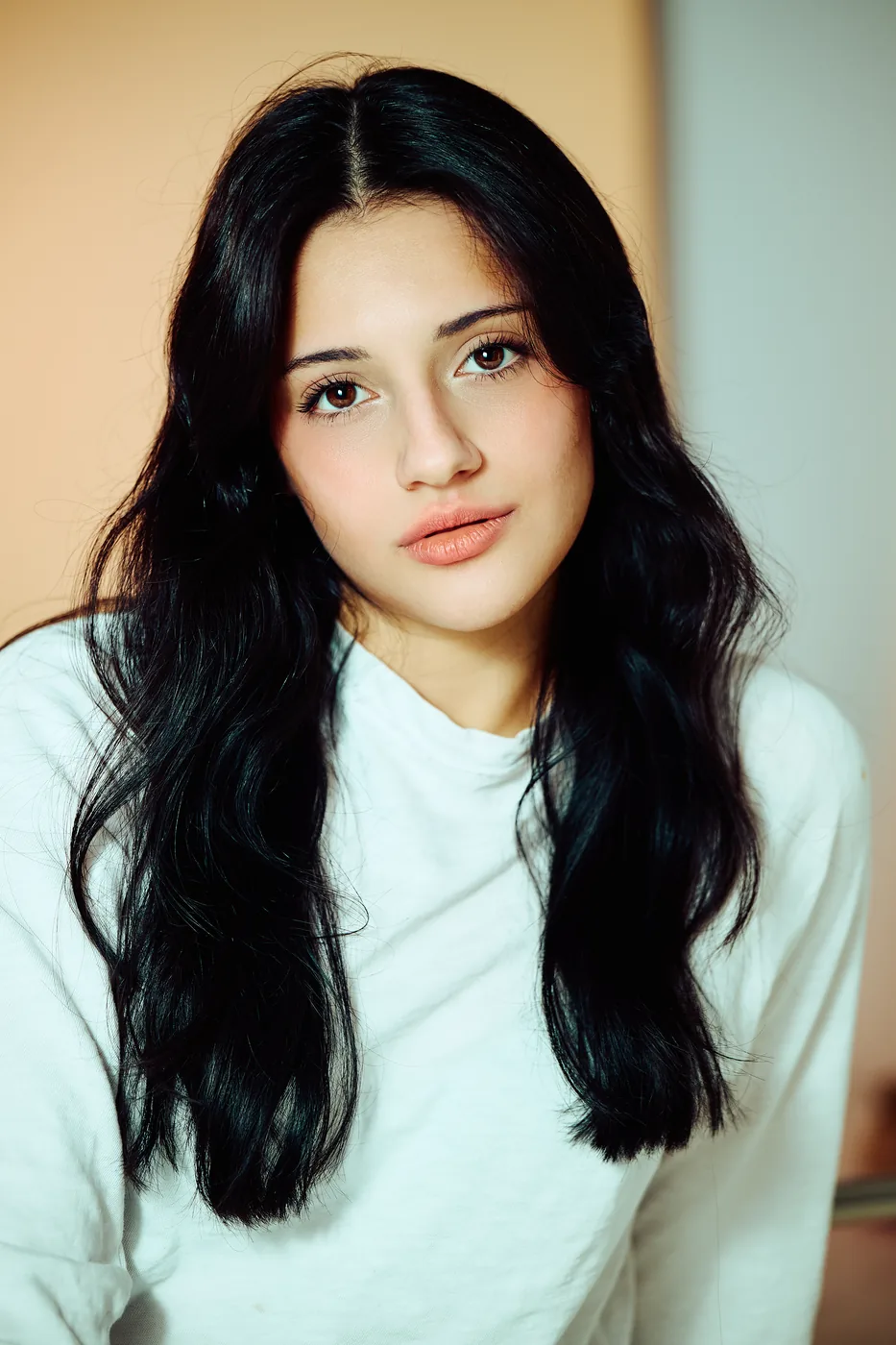
Shot, written and built by the Dock Street team
Every guide on this blog comes from the team at Dock Street Studio — Mark behind the camera with 18+ years' experience, Nicole on styling and lighting, Beya on video and bookings and Austin keeping the site fast and findable. If you'd rather have us do it than read about it, book a session or explore our photography services in Leeds.