


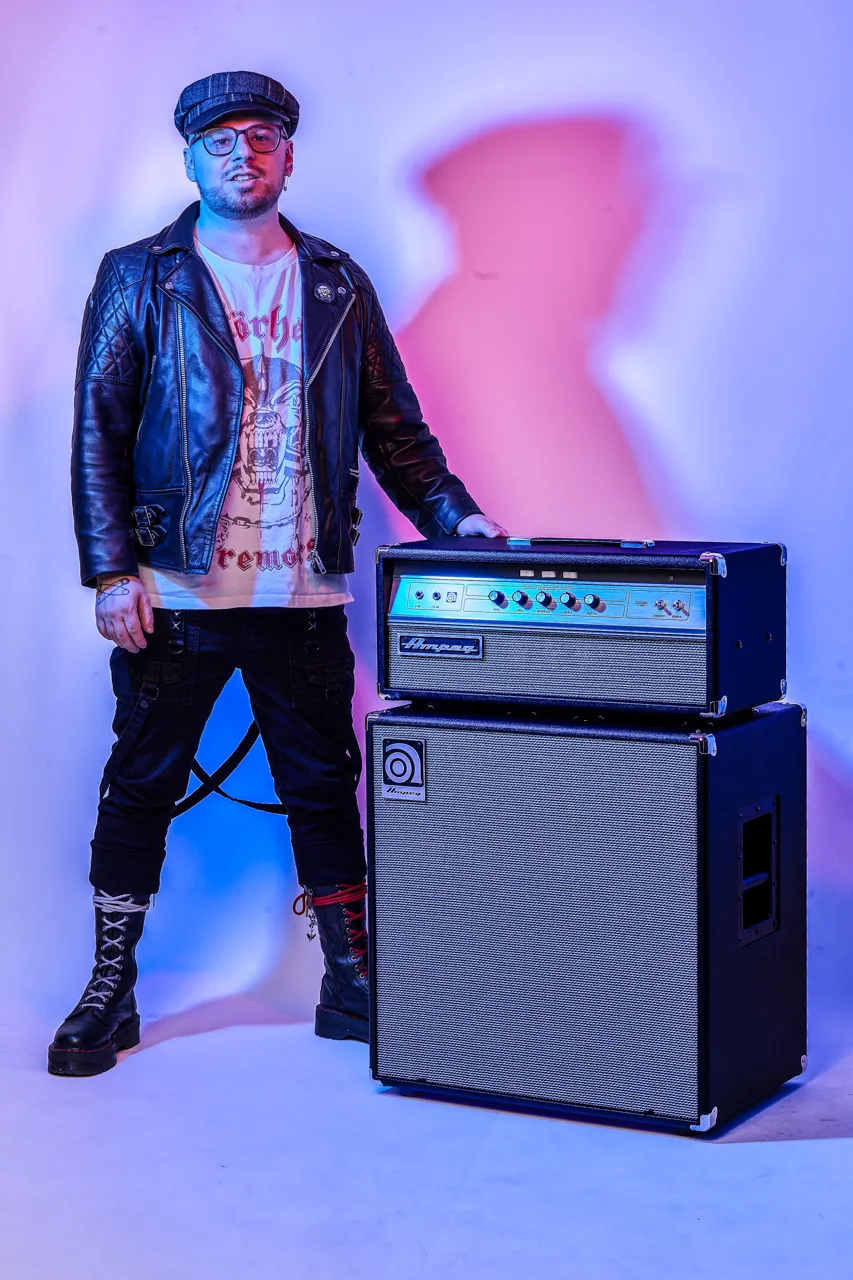
The quickest way to leave a shoot with pictures you will actually use is to treat it as a small campaign rather than a portrait session: a couple of studio looks, one or two lifestyle settings, and a shot list written before anyone picks up a camera. The brand photoshoot ideas below are the ones we see small businesses get the most out of, and every one of them maps to a real place the picture will live. Work through the checklist and you will walk in with a list, a timeline and a budget, which is most of the battle. A shot-list-first plan beats a moodboard every time.
The short version
- Give every shot a destination before the day, or half the gallery ends up unused.
- Most small brands need two or three portrait looks, a few workspace shots, some detail flat-lays and a handful of candids.
- Phone content is fine for routine social posts. Launches, paid ads and press need a professional.
- Book two to three weeks out, confirm outfits and props a week before, send a call sheet the night before.
- A three to four hour session can return 60 to 150 usable images if you vary posture and expression rather than rebuilding the set.
Contents
- Twelve brand photoshoot ideas worth building a session around
- A two-week planning timeline
- What to wear, and which props earn their place
- Choosing a location that tells the right story
- A shot list that maps to every channel
- What it costs, and when to hire a professional
- Getting the most from a three to four hour session
- How we run this at Dock Street Studio
- Mark’s take
- Sources
- Frequently Asked Questions
Twelve brand photoshoot ideas worth building a session around
A good shortlist mixes portraits, context and detail. Anything that only looks good on a moodboard, and has nowhere to go on your website or feed, can be cut.
- Studio hero shot. A clean, well-lit portrait for the homepage and your LinkedIn banner. Crop 4:5 or square. This one wants a professional, because consistent lighting is the whole point.
- Desk in action. You mid-task, laptop open, hands visible. Ideal for a “meet the founder” page. Doable yourself with a tripod and a tidy desk.
- Hobby as story. A personal interest, running, painting, baking, shot so it ties back to what your brand stands for. One prop that signals the hobby, no more.
- Product in use. Someone actually using what you sell rather than holding it at arm’s length. Landscape crop for web banners. Worth a professional if the product has fine detail.
- Detail flat-lays. Tools, packaging or ingredients on a clean surface. Square, for Instagram. Entirely doable at home.
- Behind the scenes. Mid-process, slightly imperfect, candid. Vertical for Stories. A colleague shooting over your shoulder is enough.
- Event or launch. Crowd energy, handshakes, the unveiling. If you are hosting, you need a second pair of hands on a camera.
- Outdoor lifestyle. Walking, talking, gesturing, away from a desk. Horizontal for press. Fine on a bright day; better with a professional on a grey Leeds one.
- Café meeting. Two people in conversation over coffee, natural light. Square or vertical for social-proof posts.
- Signature-prop portrait. One object that recurs across your content, a particular mug, a notebook, a jacket. Consistency matters more than variety here.
- Documentary day in the life. A loosely scripted sequence following your working day. Needs someone who can shoot fast and stay out of the way.
- Seasonal promo. Tied to a launch, a sale or a calendar moment, and reshot every few months. Once a professional has set the format, you can repeat it yourself.
To see how these translate into a finished gallery, our commercial photography examples show the range across a handful of Leeds brands.
A two-week planning timeline
Most disappointing shoots trace back to skipped planning rather than bad photography. A checklist with dates attached closes that gap.
- Two to three weeks out. Build a moodboard, lock the date, book the photographer or studio.
- One week out. Confirm outfits, props and locations. Send a rough shot list to anyone joining you on set.
- The day before. Send a one-page call sheet, steam or lay out the outfits, charge everything.
- Shoot day. Arrive early, spend five minutes warming up in front of the camera, then work the list in blocks rather than jumping between ideas.
Before the day-before stage, sort the boring logistics: permits for public spaces, parking, permission from any venue or landlord, and signed releases for anyone appearing in the pictures. A call sheet with arrival times, a scene-by-scene rundown and one named contact stops the usual morning of everyone waiting for someone else to decide.
The ten minutes that matter most: map every shot on your list to where it will live, website, LinkedIn, Instagram grid, before the shoot rather than after. It is what stops you ending up with a folder of nice photos and nowhere to put them.
What to wear, and which props earn their place
Three outfits cover most brands without overcomplicating the day.
- The authority look. Structured, simple, one solid colour. This is your homepage and LinkedIn shot.
- The approachable expert. Softer fabric, still tidy, perhaps a light pattern. For workspace and social content.
- The personality piece. One item that says something about you, a jacket, a colour, a piece of jewellery, worn for the frame that shows character rather than credentials.
Stick to solid colours or subtle textures. Busy patterns fight the camera and date fast. Work a touch of your brand colour into one outfit rather than forcing it into all three. For props, keep to things you would genuinely use: a mug you drink from, a notebook you write in. Something you can actually do with your hands is the fastest cure for looking stiff.
Choosing a location that tells the right story
Your background says something before anyone reads a caption. A studio signals polish and control. Your own workspace signals process and authenticity. A café signals approachability. Outdoors signals energy. A hired production space signals scale, which is useful when your real workplace is not camera-ready.
Before settling on anywhere, check:
- the quality of natural light at your shoot time, not just at midday
- background noise if you are recording audio alongside stills
- access and parking for people and kit
- permission to shoot on private or commercial property
- power sockets if you are bringing studio lights
Use your own space when it is tidy and well lit. Hire a studio when you need the same light regardless of the weather, or when where you actually work does not look like the brand you are trying to project.
A shot list that maps to every channel
Assigning each image a destination before you shoot it is what keeps a gallery usable. Match shot types to placements directly: website hero (horizontal, wide), headshot (4:5 or square), social square (1:1), Story (9:16), Google Business profile (square, friendly), product close-up (tight crop).
A working list for a small brand session usually runs to 25 to 35 specific scenarios: three headshot variations, five workspace shots, four product-in-use angles, six flat-lays, four candids, three outdoor lifestyle frames, and a few transitional shots between looks. Our brand photography shot list breaks that down scenario by scenario.
Shoot in the widest usable crop and trim afterwards. Shooting tight and hoping you never need the wider version is a bet you will lose.
What it costs, and when to hire a professional
Phone content costs nothing but time and suits routine social posts. Budget guidance for small businesses generally says the same thing we do: if money is tight, spend it on the hero images first and fill in around them yourself.
For reference, our commercial and brand sessions run at £450 for a half day and £750 for a full day, with editing and retouching included, and the price does not change if you bring a long shot list.
- Hire a professional for launches, paid advertising and anything going to press, where the quality gap shows.
- Use your phone for day-to-day social and behind-the-scenes content.
- Stretch a budget by consolidating locations, cutting outfit changes and prioritising the handful of images you will reuse most.
The hybrid approach, one professional session for the hero assets and phone content in between, balances cost against how often you actually need something new.
Getting the most from a three to four hour session
A well-planned half day produces a surprisingly large library. A structure that works: arrival and setup, first-outfit portraits, workspace action, a change, lifestyle frames, flat-lays, a final change, and a closing accent look.
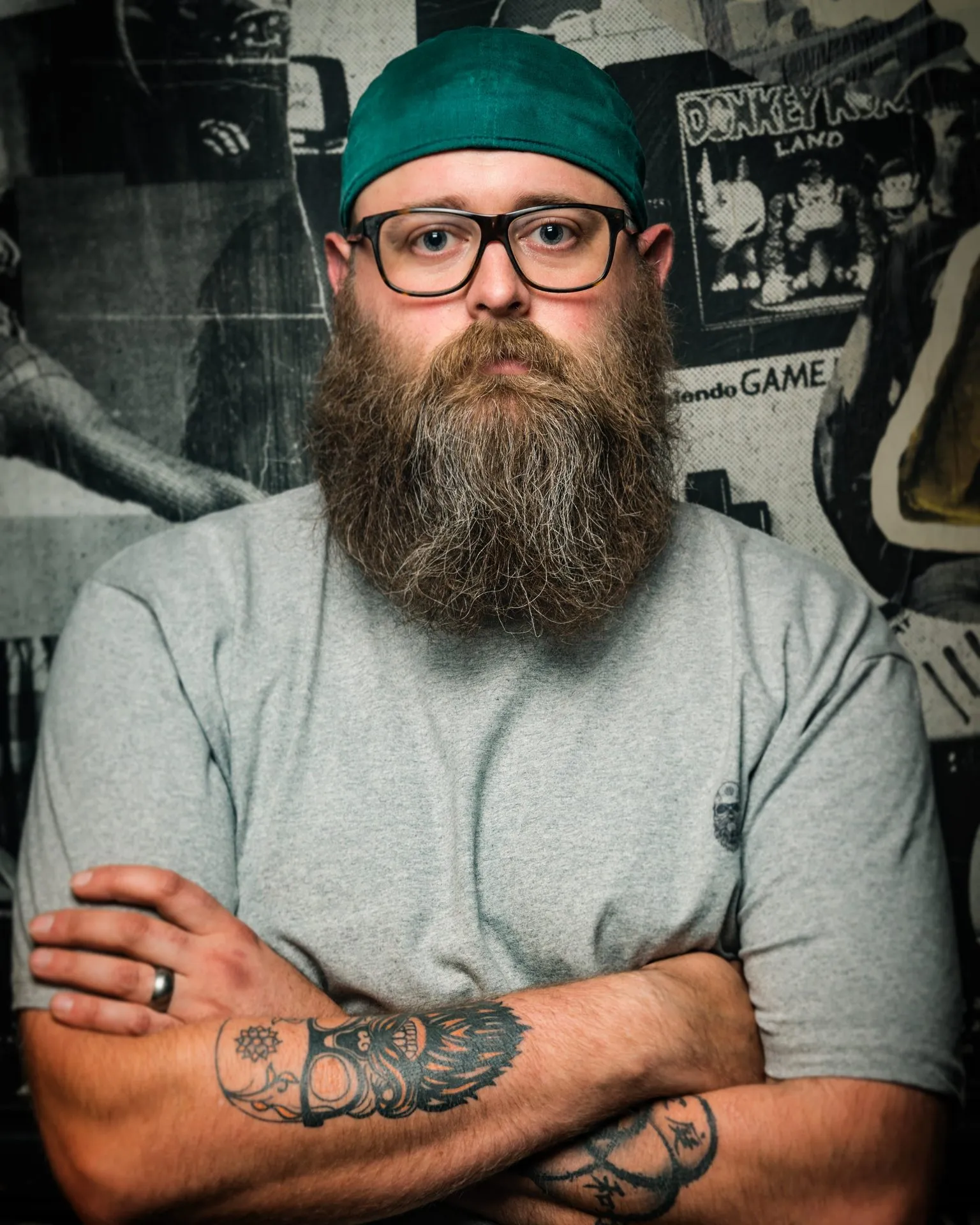
A typical entrepreneur brand session returns 60 to 150 finished images, split roughly 40 per cent portraits, 20 per cent workspace, 25 per cent behind the scenes and 15 per cent flat-lays. Vary the energy between looks with posture and expression rather than new setups. It keeps the pace up without eating shooting time. A one-page usage guide with the final gallery, the sort of thing a planning tool like LifeDesk would map to a content calendar, helps you actually deploy what you paid for.
How we run this at Dock Street Studio
Every brand session here starts with a planning conversation: what the pictures are for, which channels they will live on, and a shot list built around that rather than around what looks nice. We send a call sheet before the day, shoot tethered into Capture One so you see frames on a big screen as we go, and deliver retouched images within 48 hours.
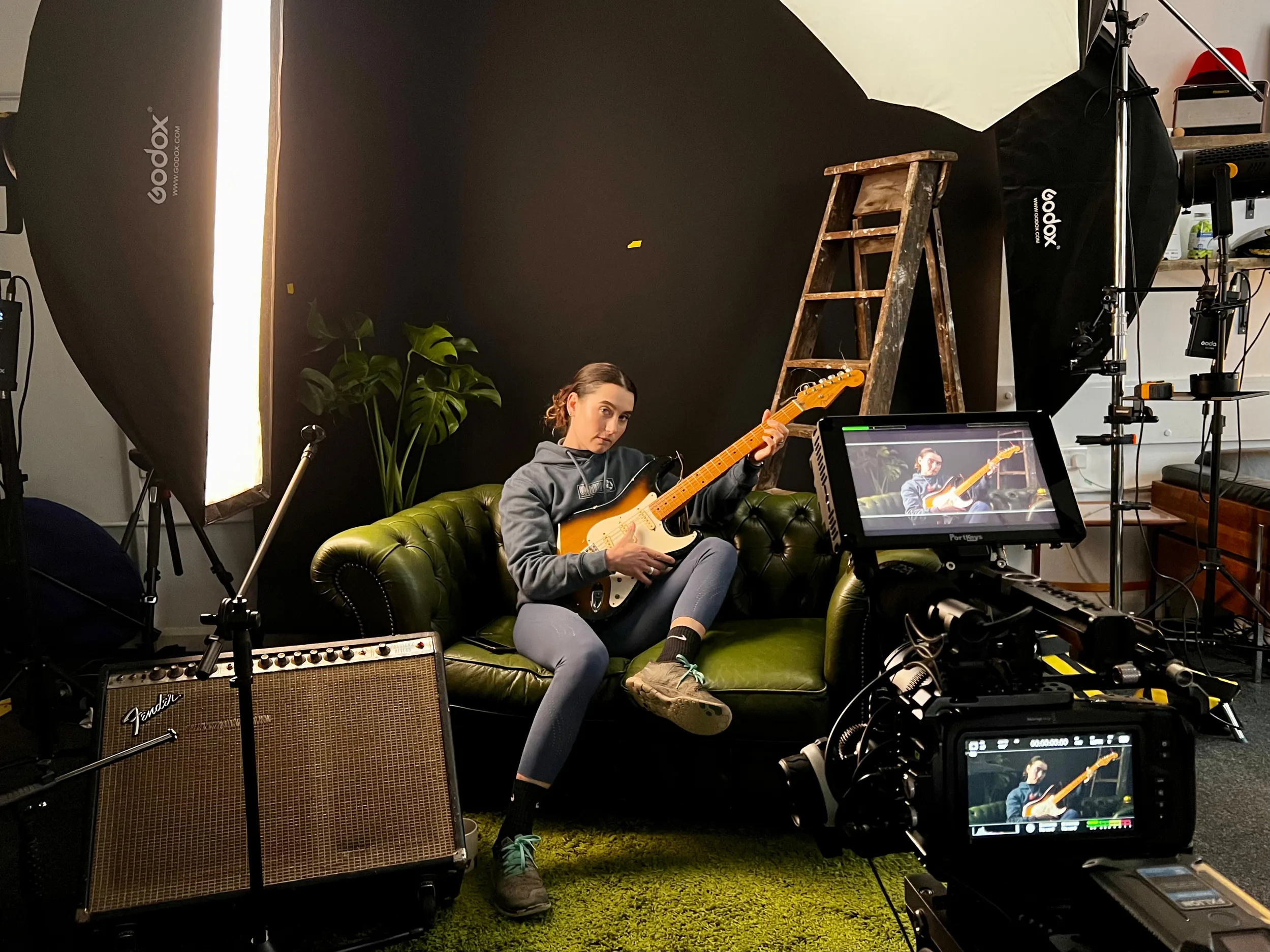
The space handles everything from a single headshot to a multi-look campaign. If you want to shoot photo and video content in one visit, the content studio is set up for exactly that, and for packshots and e-commerce work our product photography runs to the same half-day and full-day rates. Bring your own shot list to the planning call or use ours, and our guide on how to brief a photographer covers what to have ready before you pick up the phone. If you would rather bring your own photographer, the same backdrops and lighting are available through studio hire.
Mark’s take
Stiff poses make stiff photos. In 18 years I have never seen a fixed smile beat someone who kept moving, adjusting, gesturing mid-sentence. If you are in front of the camera yourself, keep talking between frames. It relaxes your face faster than any instruction to look natural ever will, and it is the reason we plan sessions as a conversation rather than a list of poses.
Sources
- How to prepare for a personal branding photoshoot
- Branding Photoshoot: Plan Images That Drive Action
- Brand photography for entrepreneurs
- Brand Photography for Business: Plan a Shoot | Sproutbox
Frequently Asked Questions
What are good ideas for brand photos?
Studio headshots, desk-in-action shots, product-in-use images and detail flat-lays cover most small business needs. Pick two or three that map directly to your website and social channels rather than trying to shoot everything in one go.
How do you plan a brand photoshoot?
Start with a shot list mapped to where each image will be used, then work backwards: book two to three weeks out, confirm outfits and props a week before, and send a call sheet the evening before. That use-first approach is what separates a usable gallery from a folder of pretty but unused photos.
What should you wear for a brand photoshoot?
Bring three outfits: one structured and authoritative, one softer and approachable, and one that shows personality. Stick to solid colours or subtle textures, and work your brand colour into one look rather than all of them.
How much does a professional brand photoshoot cost?
Our commercial and brand sessions in Leeds are £450 for a half day and £750 for a full day, with editing and retouching included. The exact scope depends on your brief and shot list, which we agree on a planning call before you book.
Where is the studio, and how do I book?
We are at Unit 9, 30–38 Dock Street in central Leeds, a few minutes from Leeds Dock and a short walk from the train station, with parking on site. Book online, or get in touch and we will talk through the shot list first.
Book a brand shoot in Leeds
Dock Street Studio is the practical alternative to piecing a brand shoot together yourself. Commercial sessions start from £450, and the planning call covers your brief, shot list and logistics before you arrive. Bring the list you have built from this article and we will shape the session around it.
- Book online at dockstreetstudioleeds.co.uk/book
- Email hello@dockstreetstudioleeds.co.uk
- Call 0113 4400102
Related reading
- Commercial Photography for Small Business
- Product Photoshoot Planning Guide
- Commercial Shoot Planning Guide
Written by Mark Wheelwright
Commercial photographer & studio owner, Leeds | ISO Photographic Ltd
Dock Street Studio, Unit 9, 30–38 Dock Street, Leeds LS10 1JF
18+ years’ experience | 900+ projects | 300+ five-star reviews | 1M+ shutter count
dockstreetstudioleeds.co.uk
Shot, written and built by the Dock Street team
Every guide on this blog comes from the team at Dock Street Studio — Mark behind the camera with 18+ years' experience, Nicole on styling and lighting, Beya on video and bookings and Austin keeping the site fast and findable. If you'd rather have us do it than read about it, book a session or explore our photography services in Leeds.