


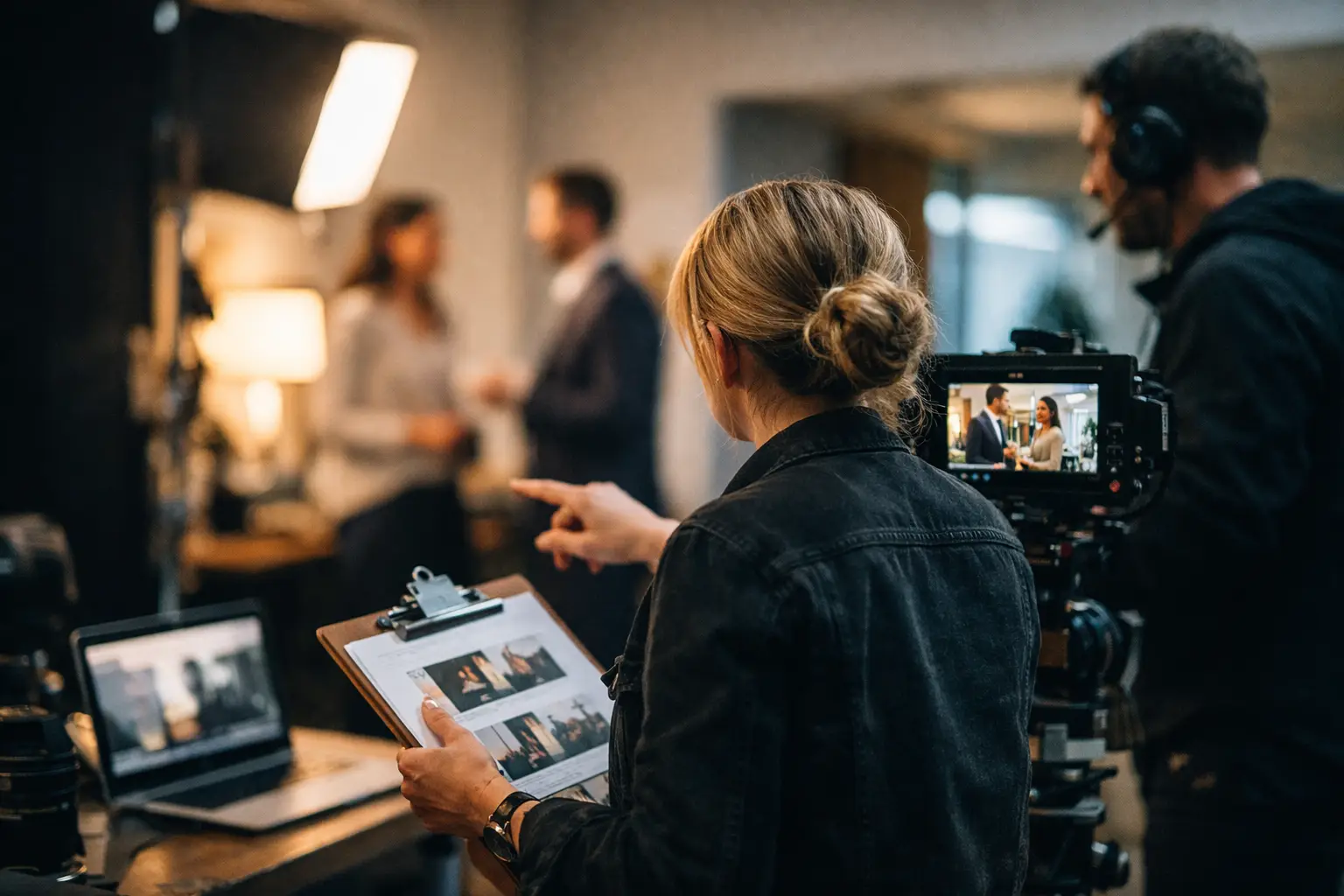
A commercial shoot can look effortless on the day. That usually means somebody did the hard thinking beforehand. This commercial shoot planning guide is built around the decisions that save time, protect the budget and leave you with images the business can actually use.
Whether you're launching a product range, refreshing a website or building a bank of campaign content, the aim isn't to take nice photographs. It's to take the right photographs, in the right format, for the places your customers will see them. That work starts well before anybody switches on a light.
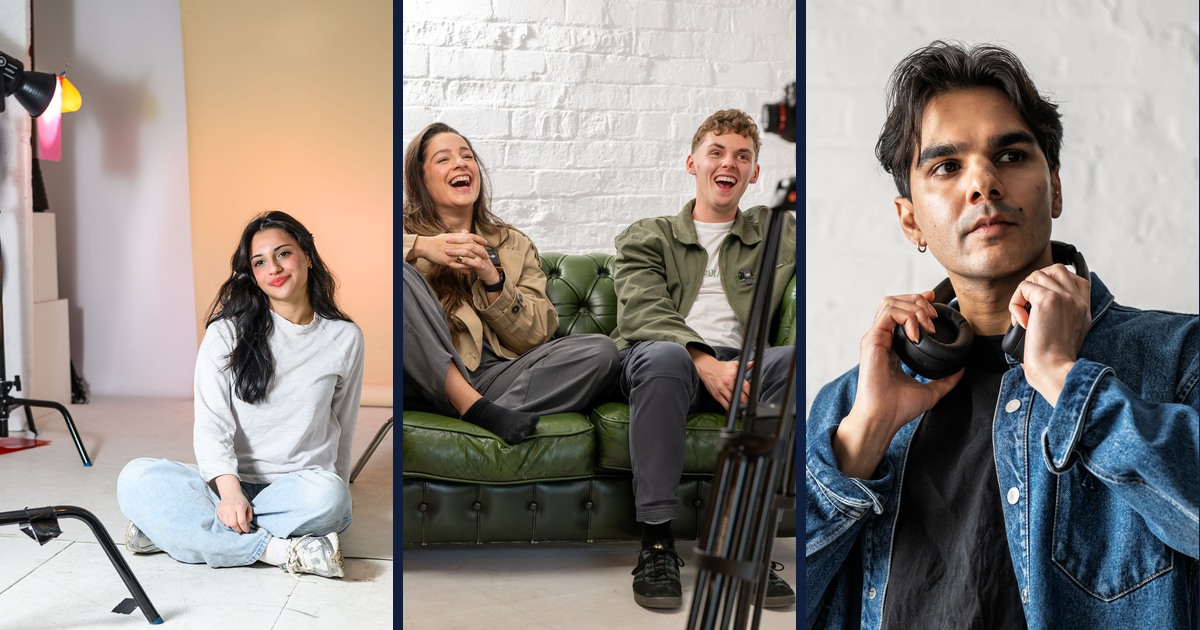
Start with the job the images have to do
The first question we ask is where these images will appear. A hero banner needs a very different frame to a square social post, a marketplace listing or a printed brochure. For an ecommerce range, clarity and consistency usually matter most. For a service business, you may need people, premises and details that make the company feel credible.
Try to name the outcome rather than the style. "Premium" is a fine starting point but it needs something behind it. Do you mean cleaner lighting, fewer props, a darker palette, more space for copy, a confident but natural portrait? A few example images help, as long as we use them to find the mood rather than to copy somebody else's campaign.
It's worth deciding what success looks like after the shoot, too. Twelve finished product images for a new store. A set of staff portraits that sit together on LinkedIn. Enough editorial content to carry six months of posts. That answer shapes the time, the crew, the styling and the retouching — and it's the difference between a day that commercial photography earns its keep and one that just produces files.
Build a brief that answers practical questions
A good brief doesn't need to be a glossy document. A clear email, a shared folder and a short call are usually plenty. What matters is that everyone understands the subject, the audience, the visual direction and the deadline.
Tell us what's fixed and what's flexible. Brand colours, packaging, logo placement and mandatory product angles are normally fixed. Props, backgrounds and cropping are often open. That gives us room to solve problems on the day without drifting away from the look your brand needs.
For most projects we want four things agreed before the shoot: the products, people or services being photographed; the final uses, including website, print, press, social and paid; the number and type of finished images; and who has authority to approve choices on the day.
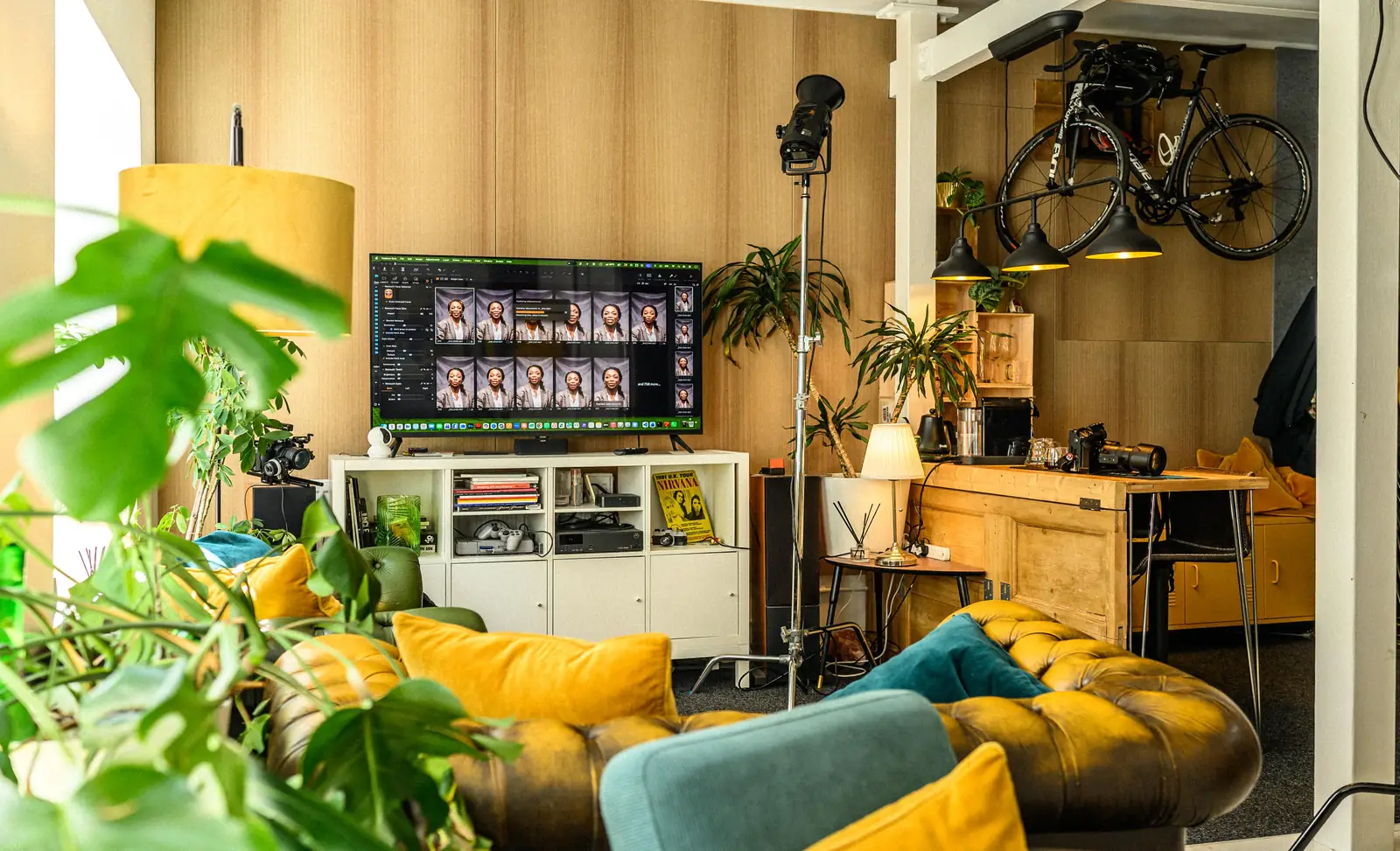
That last one gets overlooked more than any of them. If every decision has to go back to three people in separate meetings, a tight schedule disappears. One informed decision-maker on set is ideal. If that isn't possible, agree the approval process in advance and leave sensible time for it. Everything comes up on a big screen as we shoot, which is why we shoot tethered — sign-off happens in the room rather than a week later.
Turn the wish list into a workable shot list
A shot list isn't there to drain the life out of a creative shoot. It's there to make sure the essentials are covered before we start exploring. It also stops a small but vital request being remembered ten minutes before wrap.
We group shots by set-up, not by the order they'll appear on your website. If several products share a background and lighting, photograph them together. If a team portrait needs a room dressed a particular way, finish every variation in that space before moving on. Fewer changes means more time for better pictures.
For product work, list product names or codes, the angles you need, whether an item has to be shown in use, and any detail that needs close-up coverage. If something comes in several colours or sizes, be honest about how much variation you actually need. Shooting every version makes sense for an ecommerce launch. For a first campaign it may not be the best use of the budget.
For people-led work, note who's being photographed, what they should wear, and whether the images want to feel formal, candid or somewhere between. A headshot for a solicitor asks for a different level of polish from a portrait of a brewery founder. Both should look like the person, not a stock-photo version of them.
Leave room for real life
The schedule on paper always looks more generous than the day itself. Products arrive late. Somebody's brought the wrong shirt. Labels pick up fingerprints. A key person gets pulled into a meeting. Good planning makes room for those ordinary things instead of assuming every minute runs perfectly.
We split a schedule into set-up, shooting, changeovers and a little contingency. Lighting a simple packshot set is quick once the brief is clear. Building a lifestyle scene with props, styling and several people takes longer, particularly when the images need to look spontaneous rather than arranged.
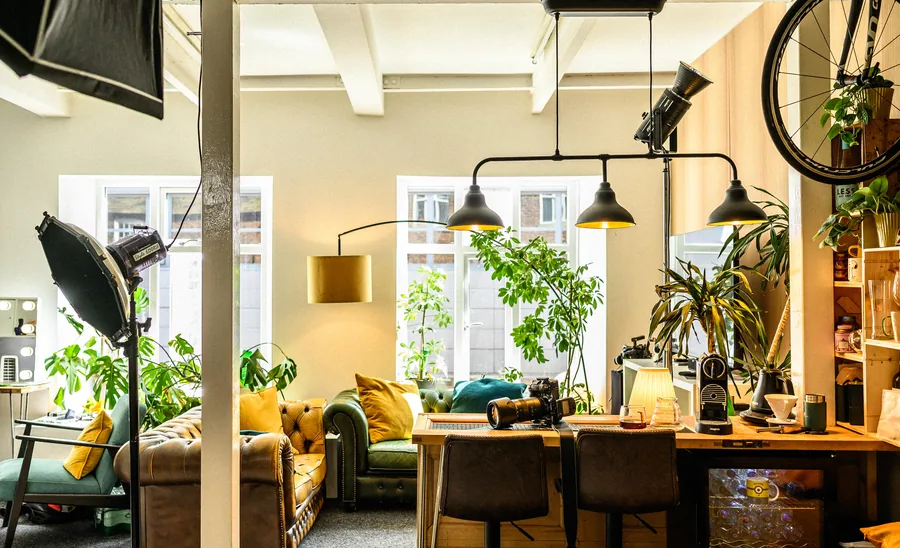
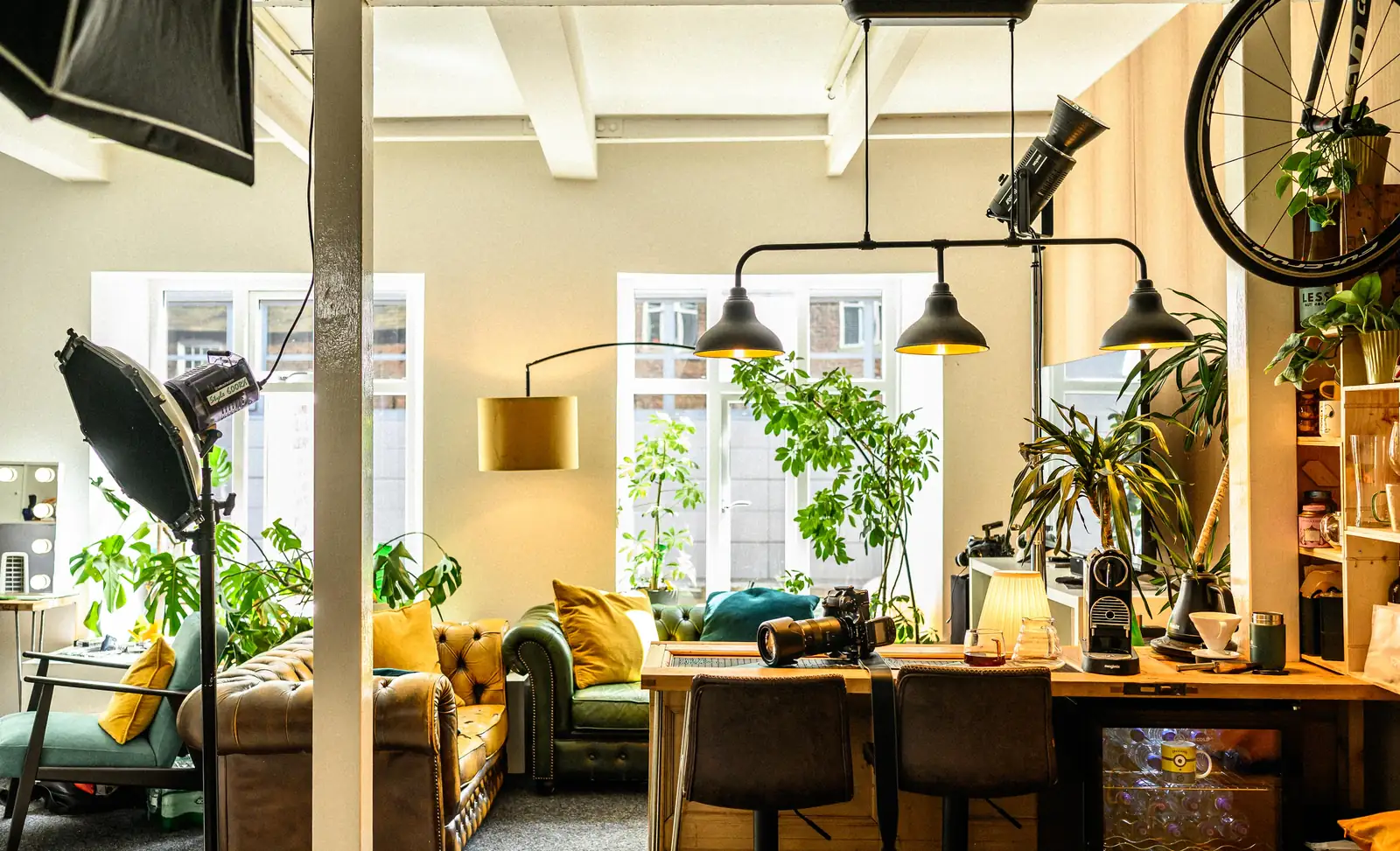
If you're hiring a studio, factor in delivery and collection as well as the shoot. Check access, parking, lifts and the size of anything arriving. Clients at our central Leeds studio often say the useful part is having room to lay products out, steam clothing and make changes without the set turning into a mess. That practical space matters more than people expect.
Try not to chase too many distinct looks in one day. Five backgrounds, several models, video clips and twenty products can sound manageable on a spreadsheet, but every new look costs set changes, lighting adjustments and decisions. Sometimes a two-part shoot is the more economical answer, because each element gets proper attention instead of a rushed twenty minutes.
Prepare the subjects, not just the set
Products should arrive clean, complete and checked, with spares where you can manage it. Clothing needs steaming, shoes need clean soles, and reflective surfaces almost always need more attention than anyone expects. If you're photographing food, flowers or anything perishable, plan the delivery around when it's needed rather than when it's convenient to drop off.
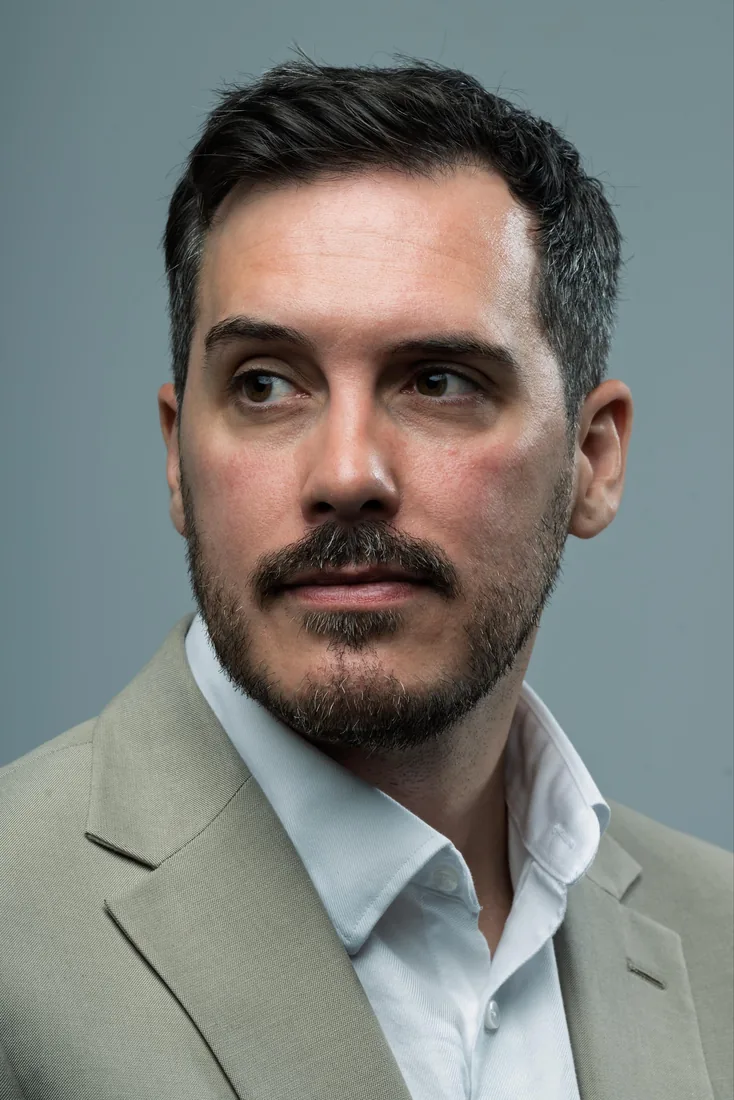
People deserve the same preparation. Let staff or models know the call time, the location, the expected finish, wardrobe guidance and whether hair and make-up are involved. Most people aren't used to being photographed for work, and a plain explanation of what's going to happen helps them arrive more relaxed. That shows in the pictures.
We'd steer away from large logos, very fine stripes and anything that doesn't fit comfortably, unless they're deliberately part of the brand. Bring options. A jacket can look right in the mirror and feel far too formal once the rest of the team turns up in knitwear.
Choose the space and the light for the brief
A bright studio is useful, but daylight isn't automatically the answer. Natural light moves with the weather and the hour, which is lovely for editorial portraits and unhelpful when every product image has to match. Controlled studio lighting gives us repeatability, which is usually the sensible choice for ecommerce, campaign assets and anything you'll add to over time.
Location work adds real character. A workshop, cafe, office or bit of Yorkshire landscape can say more about a business than a plain background ever will. The trade-off is control: available light, background clutter, permissions, noise, weather, and the practicalities of working around a business that's still trading.
Often the strongest answer is both. Core products in the studio for consistency, then a smaller set of location images for atmosphere. That gives a marketing team flexible assets without asking any single photograph to work too hard.
Agree what happens after the shoot
Post-production belongs in the plan, not in the gaps afterwards. Ask whether the quote covers colour correction, retouching, background removal, crops and file preparation for particular platforms. Basic finishing and detailed retouching are different jobs, and the right level depends on what the work is for.
Agree how images get selected as well. A proof gallery lets a team pick favourites, but it can stall completely without clear rules. Decide who makes the final call, and set a deadline — especially where the images support a launch date or a press announcement. Our guide to editorial photography for brand campaigns covers the briefing side in more detail.
Then think past the first use. Ask for the crops your website and social channels need, but keep the high-resolution masters somewhere safe. A well-planned shoot usually supplies material for brochures, recruitment, PR and the next campaign as well as the one you booked it for.
The best shoots feel calm because the important choices were made in advance. Bring us a clear purpose, realistic priorities and a bit of room for the unexpected. We'll handle the technical side and guide the day — and if you want to talk it through properly over a brew before committing to a date, that's usually time well spent.
Frequently Asked Questions
How far in advance should I plan a commercial shoot?
Two to four weeks is comfortable for most projects. That leaves time for the brief, product delivery, wardrobe and any approvals. A simple packshot session can come together faster; a campaign with models, styling and several locations usually wants longer.
What should a photography brief include?
The subject, the audience, the final uses, how many finished images you need, the deadline, and who signs off on the day. It doesn't have to be a formal document — a clear email and a folder of reference images does the job.
How many images can you shoot in a day?
It depends far more on the number of set-ups than the number of items. Twenty products on one background is a comfortable day. Five products across five different looks may not be, because the time goes on lighting and set changes rather than shutter clicks.
Should the shoot be in a studio or on location?
Studio for consistency and anything you'll add to later; location for character and a sense of place. Many clients do both — core assets in the studio, a smaller set on location — which gives range without making the images feel mismatched.
Is retouching included?
Basic colour correction and finishing normally are. Detailed retouching, background removal and platform-specific crops are separate work, so it's worth agreeing the level up front rather than discovering it at delivery.
Where is the studio and how do I book?
Dock Street Studio is at Unit 9, 30–38 Dock Street, Leeds LS10 1JF, in central Leeds near Leeds Dock and a short walk from Leeds train station, with parking onsite. Book online, email hello@dockstreetstudioleeds.co.uk, or call 0113 4400102.
Plan your commercial shoot in Leeds
Tell us what the images need to do and we'll help you shape the brief, the shot list and a schedule that survives contact with the day. Book online, email hello@dockstreetstudioleeds.co.uk, or call 0113 4400102.
Written by Mark Wheelwright
Commercial photographer & studio owner, Leeds | ISO Photographic Ltd
Dock Street Studio, Unit 9, 30–38 Dock Street, Leeds LS10 1JF
18 years in business | 900+ projects | 300+ five-star reviews | 1M+ shutter count
dockstreetstudioleeds.co.uk
Shot, written and built by the Dock Street team
Every guide on this blog comes from the team at Dock Street Studio — Mark behind the camera with 18+ years' experience, Nicole on styling and lighting, Beya on video and bookings and Austin keeping the site fast and findable. If you'd rather have us do it than read about it, book a session or explore our photography services in Leeds.