


A good brand photography shot list stops a shoot turning into a scramble for a few nice pictures. It gives us a plan for the images your business will genuinely use: the website banner that needs room for text, the LinkedIn post announcing a new service, the press photo, the product detail, the team portrait that doesn't look stiff.
The best shot lists aren't huge. They're useful. They reflect how customers actually find, judge and remember a business. Whether we're photographing a Leeds retailer, a consultant, a maker or an ecommerce range, the question is the same: what does somebody need to see before they trust you?
Start with where the pictures will be used
Before anyone thinks about poses, props or backdrops, list the places the images have to work. A wide website header asks for something different from a square Instagram post. A portrait for a magazine needs a clean background and sensible space around the subject. Marketplace product photos may need a consistent plain background where your own site can be more expressive.
This matters because cropping isn't an afterthought. Shoot everything tight and in portrait format and you'll have almost nothing that fits a wide banner or a presentation slide. We plan for a mix of landscape, portrait and square-friendly frames from the start.
Think past next week, too. A well-planned shoot can carry several months of marketing, recruitment, PR and social. That doesn't mean hundreds of near-identical frames — it means enough variety to give your team options without losing the recognisable look of the brand.
The list should show proof, not just polish
Most businesses start by asking for headshots, a few workspace images and some shots of the product. All useful, all only the starting point. The stronger images show evidence of what you're good at.
Run a bakery and that might be hands finishing a cake, the counter before opening, a close detail of the ingredients, a customer collecting an order. A financial adviser might need a warm but professional portrait, a real client meeting, paperwork being explained, a calm view of the working environment. A trades business: the team on site, the tools, the care taken over a finish, the completed job.
People don't need every step of your process. They need enough visual proof to believe there are capable people behind the logo. That's especially valuable for service businesses, where what you sell feels less tangible than something you can hold.

The six image types to plan first
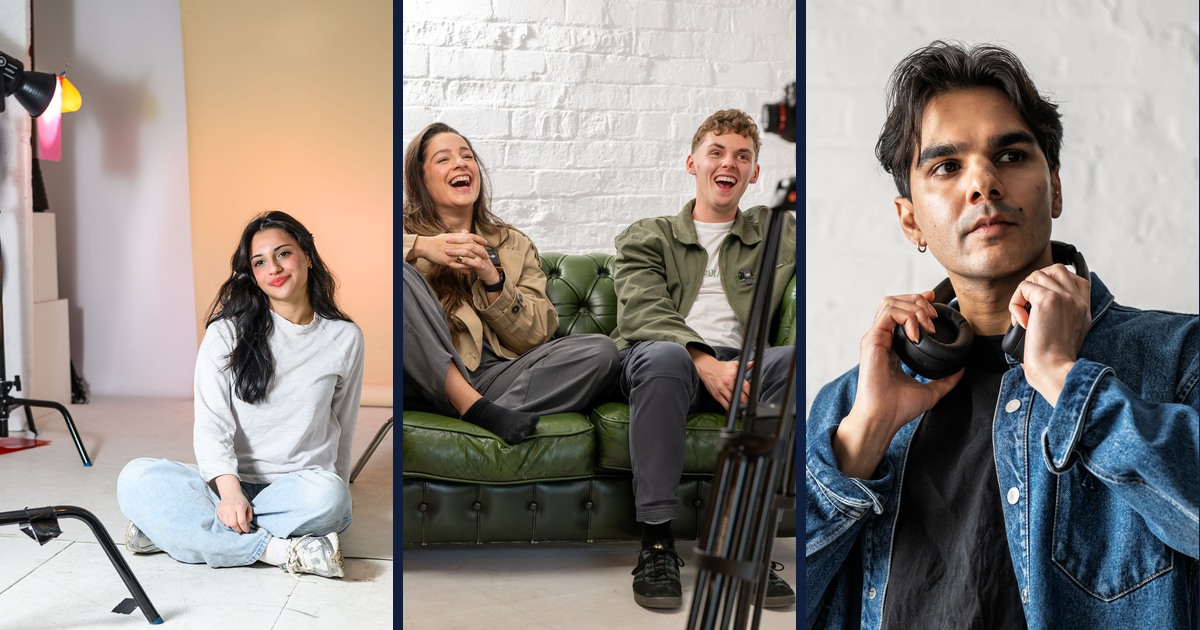
We usually build a shot list around six kinds of image. Hero images for the homepage, campaign pages and print — often wider, carefully composed, with space for copy. Portraits and team photographs showing the people customers will actually speak to. Work in progress, catching the service, the making or the customer experience in action. Product and detail shots for finish, materials, packaging and features. Place and atmosphere — the shop, office, studio, cafe, workshop or location. And trust-building moments: consultations, delivery, quality checks, a busy event.
Not every business needs all six in equal measure. A personal coach wants more portraits and client interaction. A furniture maker wants more product detail and workshop process. A company recruiting hard will lean towards culture, team and workspace. Where headshots are a big part of it, our notes on choosing headshots that work harder are worth a read alongside this.
Plan the story, not just the pictures
A useful shot list has a natural order. It should let somebody who's never heard of you understand who you are, what you offer, how it works and why they'd choose you.
Start broad — the person, place or product that introduces the business. Then move closer: hands at work, materials, expressions, tools, packaging, small details. Finish on outcomes, whether that's a product in use, a good client interaction, or the confident person behind the whole thing.
That gives your marketing team a proper visual sequence. A social post can use a detail one day and a wider behind-the-scenes frame the next. A service page can combine a portrait, an action image and a close-up instead of leaning on one generic photo.
It makes the day calmer, too. Nobody's inventing an idea every five minutes, because everyone knows what we're working towards.
Leave room for real life on the day
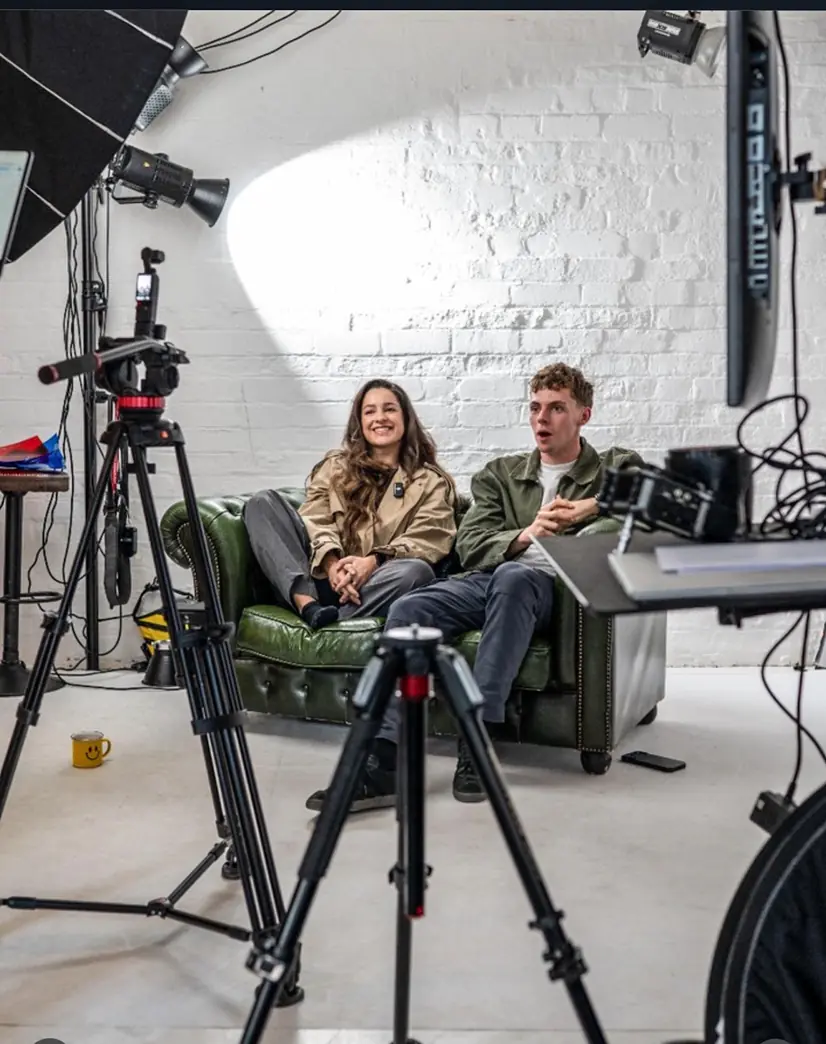
A shot list should guide the day, not make it rigid. The most convincing photographs often happen between the planned frames — a genuine laugh during a team chat, hands arranging stock without thinking about it, steam off fresh food, a client coming through the door.
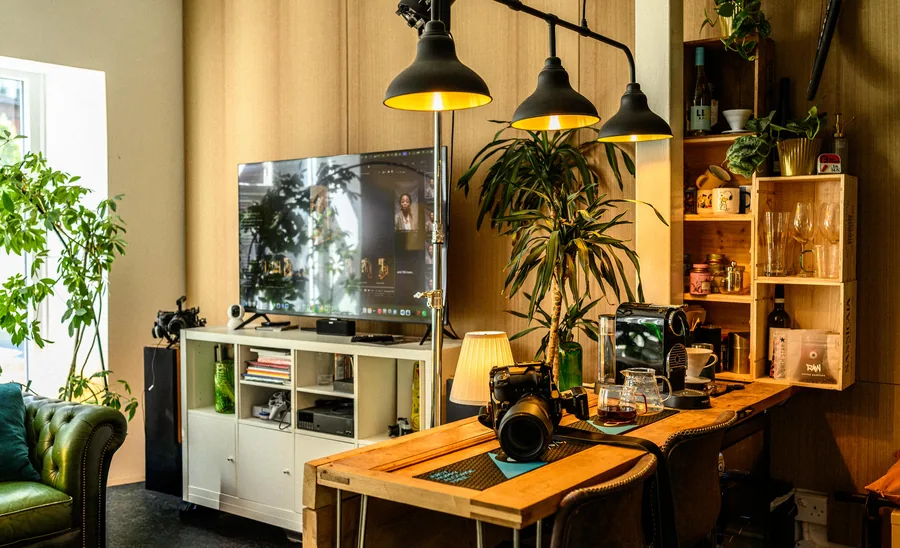
We always leave time for those, but preparation makes them likelier. Ask staff to bring a couple of outfit options that suit the brand, avoiding busy patterns and prominent logos that aren't yours. Get the workspace clean but still believable — a completely empty desk reads as less trustworthy than one with the right tools, samples or notebook on it.
Props deserve the same care. They should support the story, not compete with it. For a skincare product we might use ingredients, towels or a bathroom setting depending on where the images will live. For a consultant, a laptop and a notebook is plenty. A pile of random stationery is not a visual strategy.
For product-led businesses, bring more stock than you think you need. Packaging gets marked, labels wrinkle, food doesn't stay camera-ready. Spares keep the pace up and give us freedom to chase a better composition when we spot one — all part of planning a commercial shoot properly.
Don't forget the practical variations
Some of the most valuable images in a library are the least glamorous. They save time later because they fit the awkward spaces in a brochure, an email or a social template.
Put a few deliberately simple frames on the list: clean backgrounds, copy space left and right, vertical portraits, wide empty scenes, tighter crops. If your brand uses particular colours, textures or materials, photograph those as background details too — useful for graphics, pull quotes and campaign artwork.
Plan around the seasons that matter to you as well. A Christmas campaign, a spring launch or a Yorkshire show may need their own set. We'd normally keep the core brand images timeless, then shoot seasonal details as a smaller focused section of the day. Otherwise you end up with a library that feels dated by February.
What makes a good brief
You don't need lighting terminology or a polished creative deck. A clear business brief is more useful. Tell us what you sell, who you want to reach, where the pictures will appear, and what you'd like customers to feel after seeing them.
Share examples you like, but say what you like about them. Is it the natural light, the confident mood, the clean styling, the way the product is shown? That gives us something to interpret rather than another business to copy frame for frame.
If you're hiring the studio and producing the shoot yourself, use the same approach with your own team. Confirm the shot order, who's needed for each setup, props, product samples and who has final approval. The simple things matter — one missing key person or a late delivery eats studio time fast.
Agree what's essential and what's a bonus, too. Must-have images get photographed first, while everyone's fresh and the schedule still has room. Experiments follow once the core brief is safely in the bag.
The list is there to make the camera work harder
The aim isn't to manufacture a brand that doesn't exist. It's to photograph the strongest, most useful version of the one you've built. Be specific about what makes you different, plan for where the images will live, and leave enough room for real moments to happen.
Bring us a starting list and we can turn it into a shoot that feels organised and comfortable — and commercially useful long after the lights are packed away. If it's easier to talk it through properly over a brew first, that's usually time well spent.
Frequently Asked Questions
What should be on a brand photography shot list?
Six types cover most businesses: hero images with copy space, portraits and team shots, work in progress, product and detail frames, place and atmosphere, and trust-building moments like consultations or deliveries. Weight them towards whatever your customers most need to see.
How long should a brand shoot take?
Half a day covers a focused list — portraits plus a handful of workspace and detail frames. A full day suits a broader set with several setups, more people or product work included. The number of setups drives it more than the number of images.
How many images do I actually need?
Somewhere between twenty and forty finished images usually carries several months of website, social and PR use. Beyond that you tend to get variety without added usefulness — better to plan a smaller list properly and shoot it well.
Should my team be in the photos?
Almost always, yes. Service businesses in particular benefit from customers seeing the people they'll deal with. Give staff notice, wardrobe guidance and a rough call time, and the whole thing goes more smoothly.
What do I need to prepare beforehand?
A tidy but believable workspace, outfit options for anyone being photographed, product samples in final packaging with spares, and a decision on who signs off on the day. That covers most of what slows a shoot down.
Where is the studio and how do I book?
Dock Street Studio is at Unit 9, 30–38 Dock Street, Leeds LS10 1JF, in central Leeds near Leeds Dock and a short walk from Leeds train station, with parking onsite. Book online, email hello@dockstreetstudioleeds.co.uk, or call 0113 4400102.
Plan your brand shoot in Leeds
Send us a rough list of what you need and where it's going, and we'll shape it into a shoot that gives your team images they'll still be using next year. Book online, email hello@dockstreetstudioleeds.co.uk, or call 0113 4400102.
Written by Mark Wheelwright
Commercial photographer & studio owner, Leeds | ISO Photographic Ltd
Dock Street Studio, Unit 9, 30–38 Dock Street, Leeds LS10 1JF
18 years in business | 900+ projects | 300+ five-star reviews | 1M+ shutter count
dockstreetstudioleeds.co.uk
Shot, written and built by the Dock Street team
Every guide on this blog comes from the team at Dock Street Studio — Mark behind the camera with 18+ years' experience, Nicole on styling and lighting, Beya on video and bookings and Austin keeping the site fast and findable. If you'd rather have us do it than read about it, book a session or explore our photography services in Leeds.