


The most useful trade show booth photography we produce comes from splitting the day in two. A quiet window before the doors open, for clean, controlled frames of the stand itself, and one or two short windows during the busiest hours, to catch real conversations happening. Book a photographer for those specific hours rather than an undirected full day, and you come away with images your marketing team will actually open again.
That is the short version. The rest of this is how we plan it, what to put in the brief, how to cope with a hall that fights the camera, and what should happen to the files once the stand is packed into the van.
What to photograph, and where each image ends up
Every frame you commission should have a job before the shutter goes. Treat the stand as a working content set for the length of the show, rather than a backdrop to photograph just in case. The just-in-case approach is how you end up with a card full of pictures nobody uses.
A rough map of shot type against use looks like this:
- Wide overview shots, empty and busy: website headers, press releases, sponsor decks.
- Clean architectural and detail shots: portfolio pages, award entries, internal sign-off.
- Candid conversations: sales decks, LinkedIn, customer case studies.
- Product and demo close-ups, plus signage: product pages, follow-up emails, retargeting ads.
- Team, speaker and culture shots: LinkedIn, recruitment pages, employer branding.
- Atmosphere and crowd: social proof for next year’s push.
Images with people in them, talking, demonstrating, laughing at your stand, consistently outperform static product frames on social channels and in sales collateral. If there is budget for one category beyond the basics, that is where to put it.
When to schedule your trade show photographer
Timing decides whether you get usable images or a photographer standing about with nothing worth shooting. The split works because the two things you need, clean architecture and genuine energy, sit at opposite ends of the day and rarely overlap.
- Before the doors open. Thirty to forty-five minutes for wide shots, details and signage while the aisles are empty and the light is predictable.
- The first hour to ninety minutes after opening. This is when candid engagement peaks: fresh visitors, new conversations, staff still sharp rather than flagging.
- A second window around a demo or speaker slot, if your stand has one, because it is a predictable draw of interested people.
One to three targeted hours around those moments costs less than a full-day hire and tends to produce a tighter set, because nobody is waiting for something to happen. Ask your photographer to arrive twenty minutes before the pre-opening window closes, mind. Halls fill faster than exhibitors expect, and losing the clean-shot slot to an early queue is the most common scheduling mistake we see.

How to brief a photographer for a trade show stand
A vague brief produces vague photographs. Send a one-page shot list at least a week out, organised by priority and tied to a specific use, so nobody on the day is guessing what matters most. Our brand photography shot list template is built around exactly this structure and adapts well to event work.
The brief should cover:
- The shot list itself, grouped by use: web, social, email, sales deck.
- Deliverable specs: crop ratios for each channel (square for Instagram, 16:9 for slides, 4:5 for LinkedIn portraits), file types, colour space, and how much retouching you expect.
- Caption and metadata requirements, especially if PR or legal need names and job titles logged.
- On-site logistics: who the photographer reports to on arrival, any quick headshot slots for staff, and where to stand during demos.
- Turnaround and file naming, agreed before the show rather than negotiated afterwards.
Getting this on paper is the difference between a gallery you can use that afternoon and one your team spends a week sorting through. It is the same logic that governs press photo turnaround: most of the speed is decided before anyone picks up a camera.
Getting good photographs in a crowded, badly lit hall
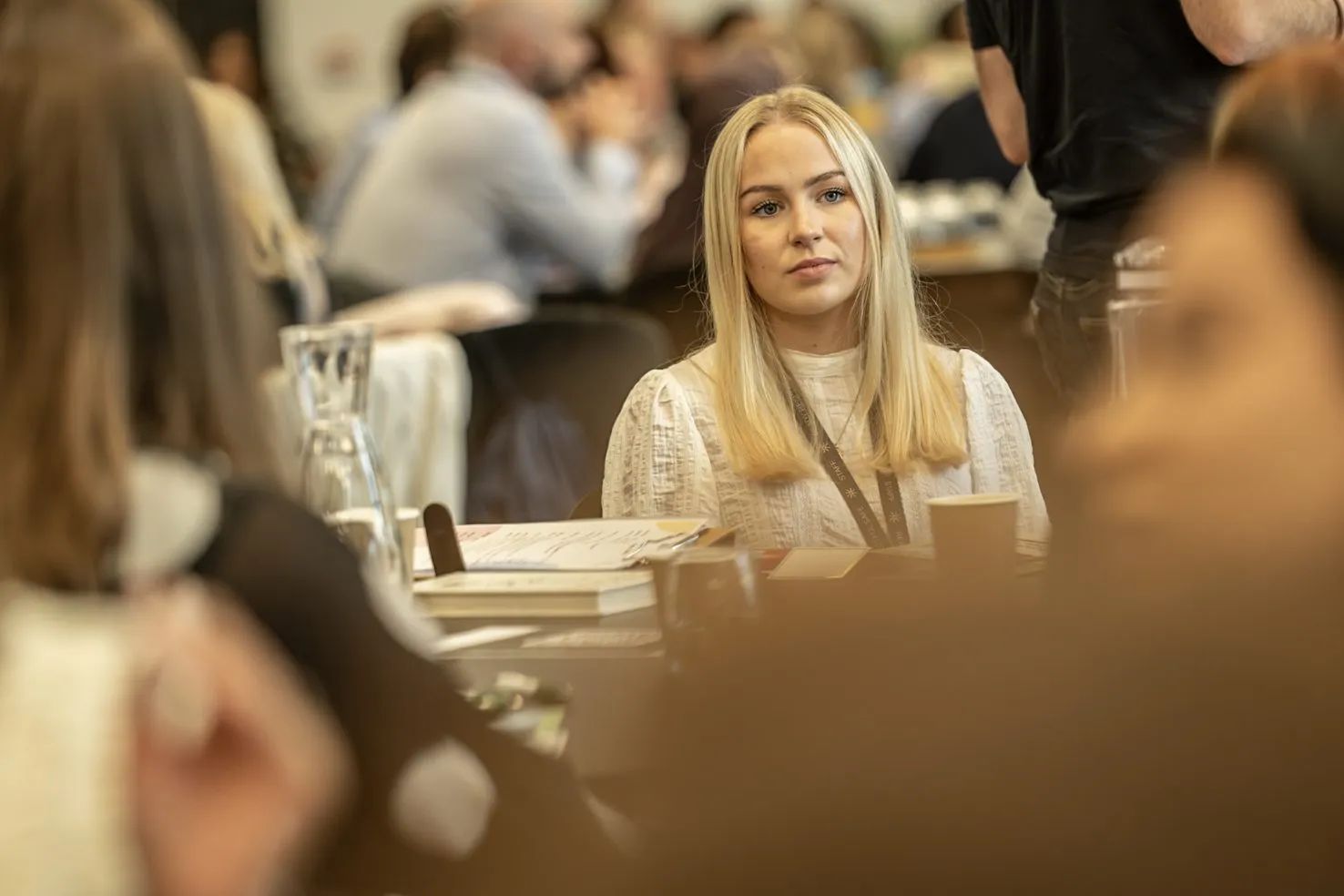
Exhibition halls are hostile territory for a camera. Mixed colour temperatures from booth lighting, hard overhead fluorescents, and crowds that block your angle the moment you find one. A short walk-through before the show opens lets the photographer map ceiling heights, light sources and shooting positions instead of improvising under pressure.
On the day, a few habits separate the usable frames from the disappointing ones:
- Ask staff to keep talking to visitors and ignore the camera. A longer lens from a slight distance captures a real conversation far better than a close-up of someone posing.
- Set a custom white balance for the hall rather than trusting auto. Booth light and hall light rarely match, and auto will happily render skin a sickly green.
- Use a fast lens, around f/1.8 to f/2.8, to keep shutter speeds workable without leaning on flash, which flattens a scene and blows out the nearest faces.
- Frame tight enough to show a buzzing stand without pulling a competitor’s logo or proprietary display into the background.
What should happen to your photographs after the show
The show closing is not the end of the job. It is when the return on the photography starts to show. Agree the turnaround before you sign anything: priority selects for social should land within 24 to 72 hours, with a full curated gallery following within about a week.
Get the organisation right and the whole gallery becomes far easier for your team to use:
- Structure folders by shot category (overview, candid, product, team) rather than one unsorted batch.
- Tag files with the event name, date and intended use, so anyone on the team can search rather than scroll.
- Plan the deployment: day-of stories, a day-after recap, then follow-up content spaced across the next month, with the strongest frames held back as long-term sales assets.
Photography can also generate leads rather than simply record the stand. A headshot station or on-site photo activation gives visitors a reason to hand over their details in exchange for a portrait, which turns the camera into a lead-capture tool as well as a marketing one.
How we plan trade show coverage at Dock Street Studio
Every booking starts with a conversation, not a camera. Before we set foot on a show floor we sit down with the client, usually over a brew, and build a shot list tied to actual marketing use, following the same structure as our brand shot list guide. Nobody is improvising priorities on the day.
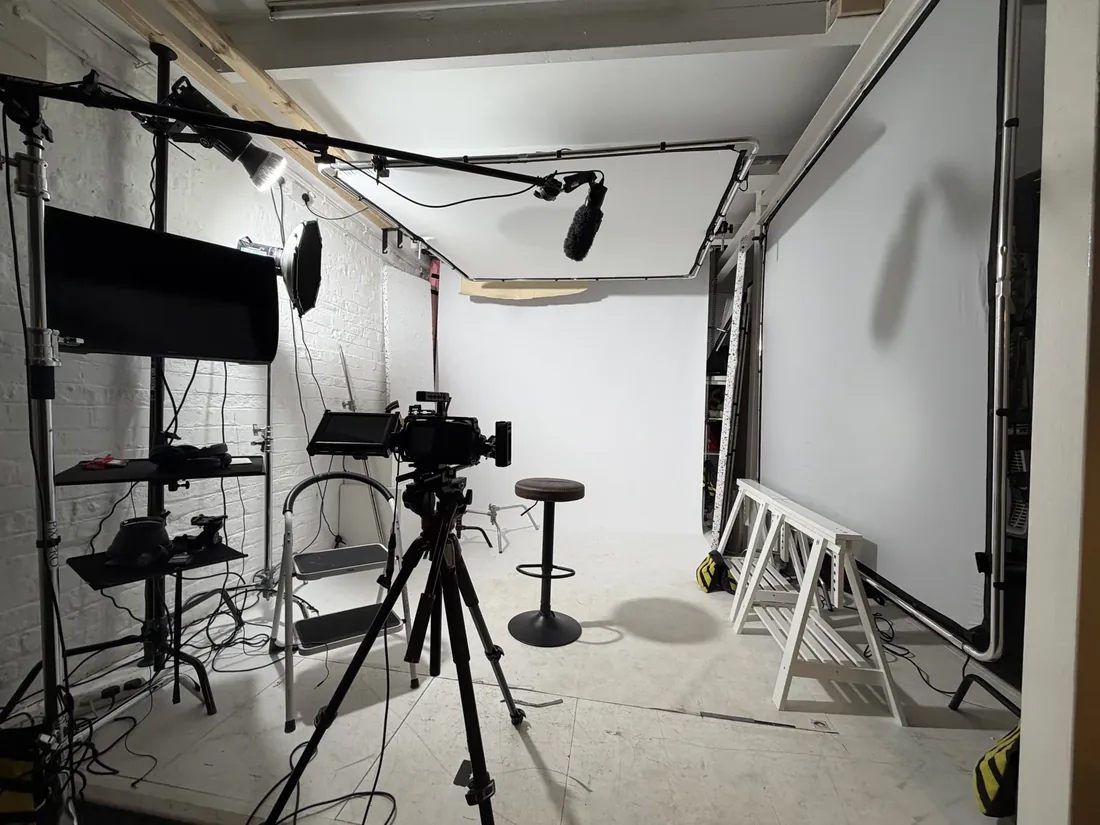
That planning pays off afterwards. Retouched priority selects are delivered within 48 hours, so social and PR are not waiting on the gallery to run a post-show campaign. Once the stand comes down, the studio is on hand for a proper product photography session of whatever was on display, which is useful when a client wants catalogue-ready shots to sit alongside the event set. And the experience across conferences, launches and awards nights in our event photography coverage carries straight across to trade show work.
The perspective most trade show advice misses
Most guides treat trade show photography as documentation. Get some shots, prove you were there, tick a box for finance. That framing wastes the single biggest opportunity a stand gives you. A trade show is a rare day when your product, your team and your actual customers are all in one place at once, and treating the resulting images as an afterthought is a missed return on a budget you have already spent getting there.
The advice we would push back on is “book the photographer for the full day”. It sounds thorough and it is usually the wrong call. Energy on a show floor arrives in windows, not a steady drip, and paying for eight hours to capture ninety minutes of useful content is money better spent on retouching, a proper deliverable spec, or a follow-up shoot back at the studio.
What should come first is the brief. A photographer who knows exactly which six shots matter, and why, will outperform one left to wander a stand for a day, every time. Fix the plan before you fix the schedule.
Frequently Asked Questions
How long should we book a trade show photographer for?
Usually one to three targeted hours rather than a full day. A short pre-opening slot for the clean shots, the first hour or so after doors open, and a window around any scheduled demo will cover most of what a marketing team actually uses.
How quickly should we expect the photos back?
Agree it before the show. We deliver retouched priority selects within 48 hours so social and PR can move while the show is still being talked about, with the fuller edited gallery following on an agreed date.
Do we really need a shot list?
Yes, and a short one is better than none. A single page grouped by where each image will be used tells the photographer what matters most on a floor where the next moment is never guaranteed. Our brand photography shot list guide is a good starting point.
Can photography help us capture leads on the stand?
It can. A quick headshot station on the stand gives visitors a reason to leave their contact details in exchange for a portrait, which turns the camera into a lead-capture tool as well as a marketing one. It needs a little space and a plan for the queue.
Do you cover trade shows outside Leeds?
Yes. We photograph events across Leeds, Manchester and further afield, and we will say plainly at the enquiry stage whether travel is included in the quote.
Where is the studio and how do we book?
Dock Street Studio is at Unit 9, 30–38 Dock Street, Leeds LS10 1JF, near Leeds Dock and a short walk from the train station, with parking onsite. Book online, email hello@dockstreetstudioleeds.co.uk, or call 0113 4400102.
Book a photographer who plans before they shoot
If you have a show in the diary, get in touch early enough for a planning conversation, a shot list tied to your marketing needs, and retouched priority images back within 48 hours. Our event photography covers stands, launches and conferences across Yorkshire and beyond, and our commercial photographer service page has more on how we work at Dock Street Studio. Book online, email hello@dockstreetstudioleeds.co.uk, or call 0113 4400102.
Sources
- Maximizing Tradeshow ROI with Professional Photography – Pro Images Photo
- The clips are the content: a complete guide to exhibition photography & videography – Tecna
- Trade show photography: how to get shots that actually work – Pure Exhibits
- Trade Show Exhibitor Photography Checklist – RDNZ Media
Related reading
Written by Mark Wheelwright
Commercial photographer & studio owner, Leeds | ISO Photographic Ltd
Dock Street Studio, Unit 9, 30–38 Dock Street, Leeds LS10 1JF
18+ years’ experience | 900+ projects | 300+ five-star reviews | 1M+ shutter count
dockstreetstudioleeds.co.uk
Shot, written and built by the Dock Street team
Every guide on this blog comes from the team at Dock Street Studio — Mark behind the camera with 18+ years' experience, Nicole on styling and lighting, Beya on video and bookings and Austin keeping the site fast and findable. If you'd rather have us do it than read about it, book a session or explore our photography services in Leeds.