


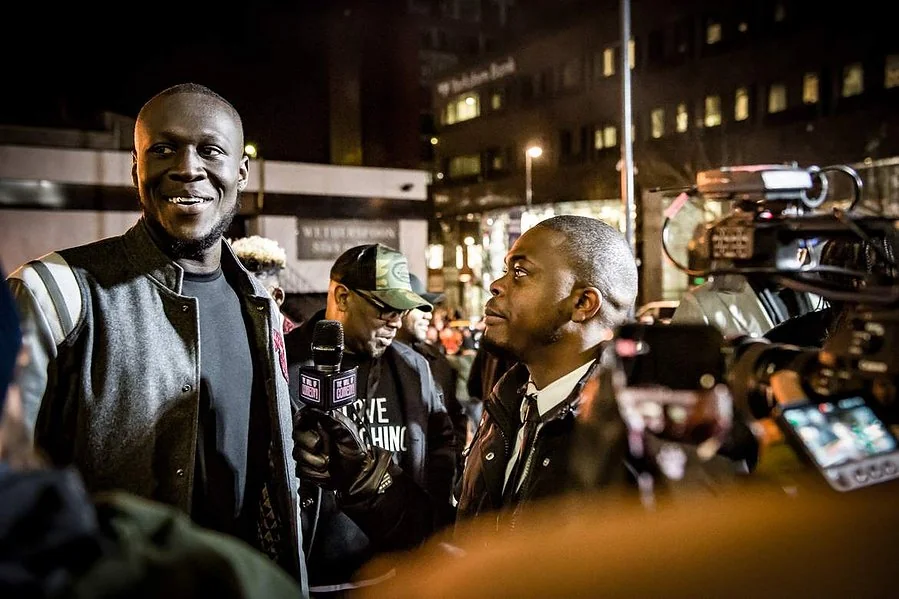
The speeches are done, the last guests have headed for the door, and the room that took weeks to plan is suddenly empty. A good event photographer makes sure the useful parts of the day don’t disappear with it. The right images give your marketing team material to use, help sponsors see what they supported, and show the people who missed it why they should come next time.
We photograph business events, launches, conferences, awards evenings and creative gatherings across Leeds, Manchester and further afield. The job isn’t simply to take lots of pictures. It’s to understand what the event needs to achieve, then quietly build a set of images that tells that story.
What event photography should do for your business
Most event images have a job to do after the day itself. They may appear in a press release, on LinkedIn, in an annual report, in a pitch deck, or on next year’s event page. That changes how we approach the work.
A full room is useful, but it isn’t enough on its own. You may need photographs of a senior speaker, natural conversations between delegates, the sponsor branding, the food, the venue, and the people behind the scenes making it happen. A charity fundraiser needs warmth and generosity. A professional conference needs scale, expertise and a clear sense that the room was engaged. A product launch needs the product to look considered, not lost in a crowd.
.webp)
This is why the cheapest quote isn’t always the best value. If a photographer turns up without a clear brief, they might capture attractive moments but miss the chief executive greeting a key partner, the award winner with their trophy, or the signage that proves a sponsor was present. Those are often the pictures that matter most on Monday morning.
Briefing an event photographer properly
The most helpful thing you can give us is context. We don’t need a glossy document. A straightforward email or a ten-minute call is usually enough, provided it covers what the event is for, who needs to be photographed, and where the pictures will be used.
Start with the non-negotiables. That could be a list of speakers, VIP guests, award presentations, sponsor boards, or a group photograph that has to happen before people drift away. Tell us names and roles, and send a running order if there is one. If your director is only at the venue between 5.30pm and 6pm, we need to know that before the day begins — not once they’re halfway out of the building.
It also helps to be honest about what you want the images to say. Some clients want polished, formal coverage. Others want an editorial feel with plenty of real interaction and movement. Both work well, but they call for a different eye and a slightly different balance of shots.
For larger events, nominate one person who knows the programme and can make quick decisions. They don’t need to babysit the photographer — they just need to be contactable when someone important arrives early, a speaker swap happens, or a group shot needs organising. That small bit of coordination saves a surprising amount of stress.
Share the practical details early
Venue access, parking, security arrangements and lighting conditions all affect the plan. A dark awards dinner in a city-centre hotel needs a different setup from a bright daytime panel talk in a Leeds gallery. We’ll bring suitable kit and work around the atmosphere you’ve created, but knowing the room in advance lets us make sensible decisions.
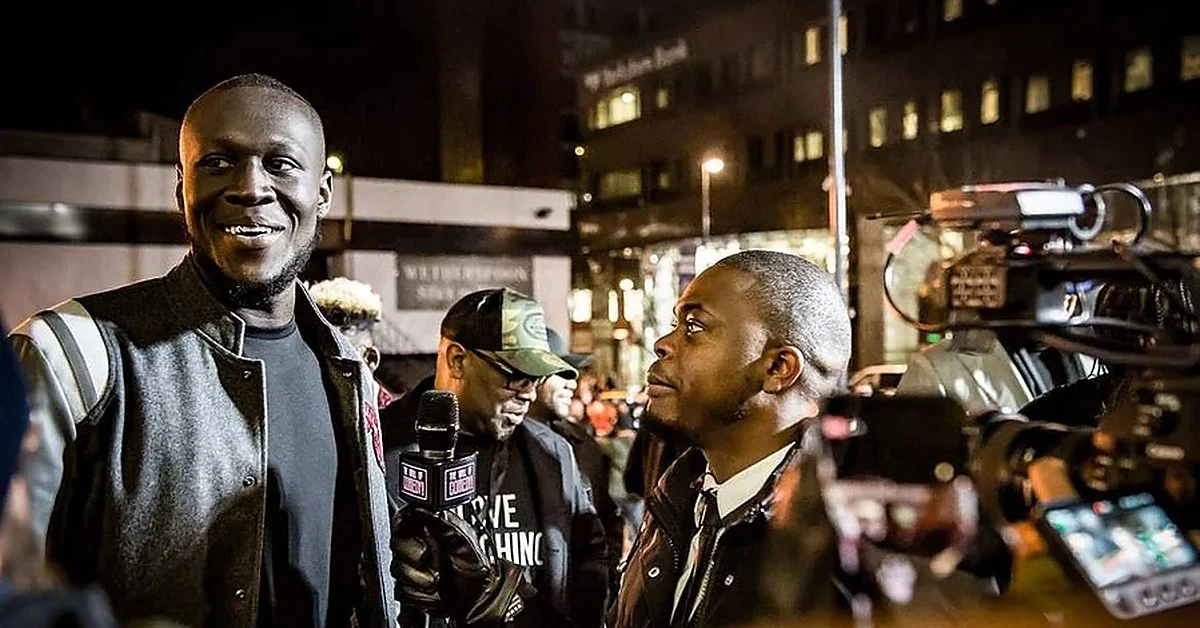
If the venue permits it, arriving before guests is valuable. We can photograph the room while it’s pristine, check sightlines to the stage, test the available light and identify where branded details will look their best. Once a few hundred people are in the room, that opportunity has gone.
The moments worth planning for
The strongest event galleries have variety. They show the big picture, then get close enough for viewers to feel involved. We usually look for establishing images of the venue and crowd, key programme moments, candid conversations, details that support the brand, and a few composed portraits where appropriate.
Candid photographs are particularly useful because they make an event feel alive. But candid doesn’t mean careless. We watch backgrounds, avoid unflattering mid-conversation expressions where possible, and look for gestures and reactions that feel natural. The best networking image is rarely a row of people holding drinks — it’s the moment someone laughs, listens properly, or makes a genuine connection.
Stage photography needs thought too. A speaker under a single spotlight can look excellent, but only if the exposure is controlled and the timing is right. We wait for a clear expression, a confident gesture, or a response from the audience. Photographing someone while they read from a lectern may record the occasion, but it rarely makes the strongest image.
.webp)
Group photos are another area where a little planning goes a long way. For a small team, we can work quickly in a suitable spot. For a large sponsor group or an awards shortlist, allow a few extra minutes and let people know in advance. Gathering twenty people at the end of a busy evening is possible, but it’s never the relaxed option.
Why lighting and discretion both matter
Events are fast-moving, often dimly lit, and full of mixed colour temperatures. House lighting, stage LEDs, window light and decorative fixtures can all appear in the same frame. Experience matters here. We need to work quickly, use flash when it improves the result, and avoid turning the room into a constant burst of light.
%252B(1).webp)
There’s a balance. Flash can lift faces, keep colours accurate and make a dark venue look welcoming. Used badly, it flattens the atmosphere and distracts guests. Our approach is to use lighting with purpose, adapting as the event moves from arrivals to presentations, then into dinner or evening entertainment.
Discretion matters just as much. At a panel discussion we move carefully and avoid blocking delegates’ view. During an emotional speech we’re ready for the reaction as well as the person at the microphone. At a busy launch we stay alert to where the energy is building, rather than asking everyone to stop and pose every five minutes.
Think beyond the event day
Before booking, consider how long you need the photographs to work for you. If the images are only for a quick social post, a shorter period of coverage may be enough. If they’ll support recruitment, press activity, future ticket sales and sponsor reports, it’s worth allowing time for broader coverage and a more considered shot list.
We also recommend choosing a small selection of priority images for quick delivery where timing is tight. A conference organiser may need a few strong pictures for social channels that evening. A brand hosting a launch may need photographs ready for its press team the following morning. The rest of the gallery can then be edited carefully without holding up the immediate work.
Editing should keep the event recognisable while making the images clean, consistent and ready to use. We correct exposure and colour, refine distracting details where appropriate, and make sure the final selection feels coherent. The aim isn’t to make a real event look artificial — it’s to present it at its best.
Questions to ask before you book
Ask what’s included in the coverage, how many hours are planned, whether travel is included, how images will be delivered, and what the expected turnaround is. It’s also sensible to ask whether the photographer has experience with your type of event. A packed conference, a press call and a relaxed drinks reception all require different instincts.
Don’t judge a portfolio only by the most dramatic images. Look for consistency. Are faces well lit? Do the photographs show people at ease? Can you see the branding, the venue and the scale of the occasion? A reliable event gallery needs more than one or two lucky shots.
At Dock Street Studio in Leeds, we plan event and press coverage around the parts of the day that will matter after the chairs are stacked away. Give us a clear purpose, a workable schedule and a few priorities, and we can get on with the job without adding to your workload.
The best event photographs do more than prove that people attended. They give your next conversation, campaign or booking a credible starting point.
Frequently Asked Questions
How much does event photography cost in Leeds?
Coverage is quoted around the length of the event, the amount of the programme that needs photographing, travel, and how quickly you need the images delivered. A two-hour press call and a full-day conference are very different jobs, so it’s worth sharing the running order when you enquire.
How far in advance should I book an event photographer?
As early as you can, particularly for evening events and awards season when dates get booked up. Early booking also gives us time to visit or research the venue, which makes a real difference to lighting and sightlines on the day.
How soon will I get the photographs?
Where timing is tight, we agree a small selection of priority images for fast delivery — enough for social channels that evening or a press team the next morning — with the full gallery edited and delivered afterwards.
Do you travel outside Leeds for events?
Yes. We regularly photograph events across Leeds, Manchester and further afield. Let us know the location when you enquire and we’ll confirm whether travel is included in the quote.
What should I tell the photographer before the event?
The purpose of the event, who must be photographed (speakers, VIPs, award winners, sponsors), any fixed moments in the running order, and where the images will be used. Also flag anyone with limited availability — a director who’s only there for half an hour is exactly the shot that gets missed without warning.
Do you use flash at events?
When it improves the result. Flash lifts faces and keeps colour accurate in dark venues, but used badly it flattens the atmosphere. We use it with purpose and adapt as the event moves from arrivals through presentations to the evening.
Book event photography in Leeds
If you’re planning a launch, conference, awards evening or corporate event and want coverage that earns its keep afterwards, get in touch with the date, venue and a rough running order. Book online, email hello@dockstreetstudioleeds.co.uk, or call 0113 4400102.
Dock Street Studio is based at Unit 9, 30–38 Dock Street, Leeds LS10 1JF, in central Leeds near Leeds Dock and a short walk from Leeds train station.
Written by Mark Wheelwright
Commercial photographer & studio owner, Leeds | ISO Photographic Ltd
Dock Street Studio, Unit 9, 30–38 Dock Street, Leeds LS10 1JF
18+ years’ experience | 900+ projects | 280+ five-star reviews | 1M+ shutter count
Shot, written and built by the Dock Street team
Every guide on this blog comes from the team at Dock Street Studio — Mark behind the camera with 18+ years' experience, Nicole on styling and lighting, Beya on video and bookings and Austin keeping the site fast and findable. If you'd rather have us do it than read about it, book a session or explore our photography services in Leeds.