


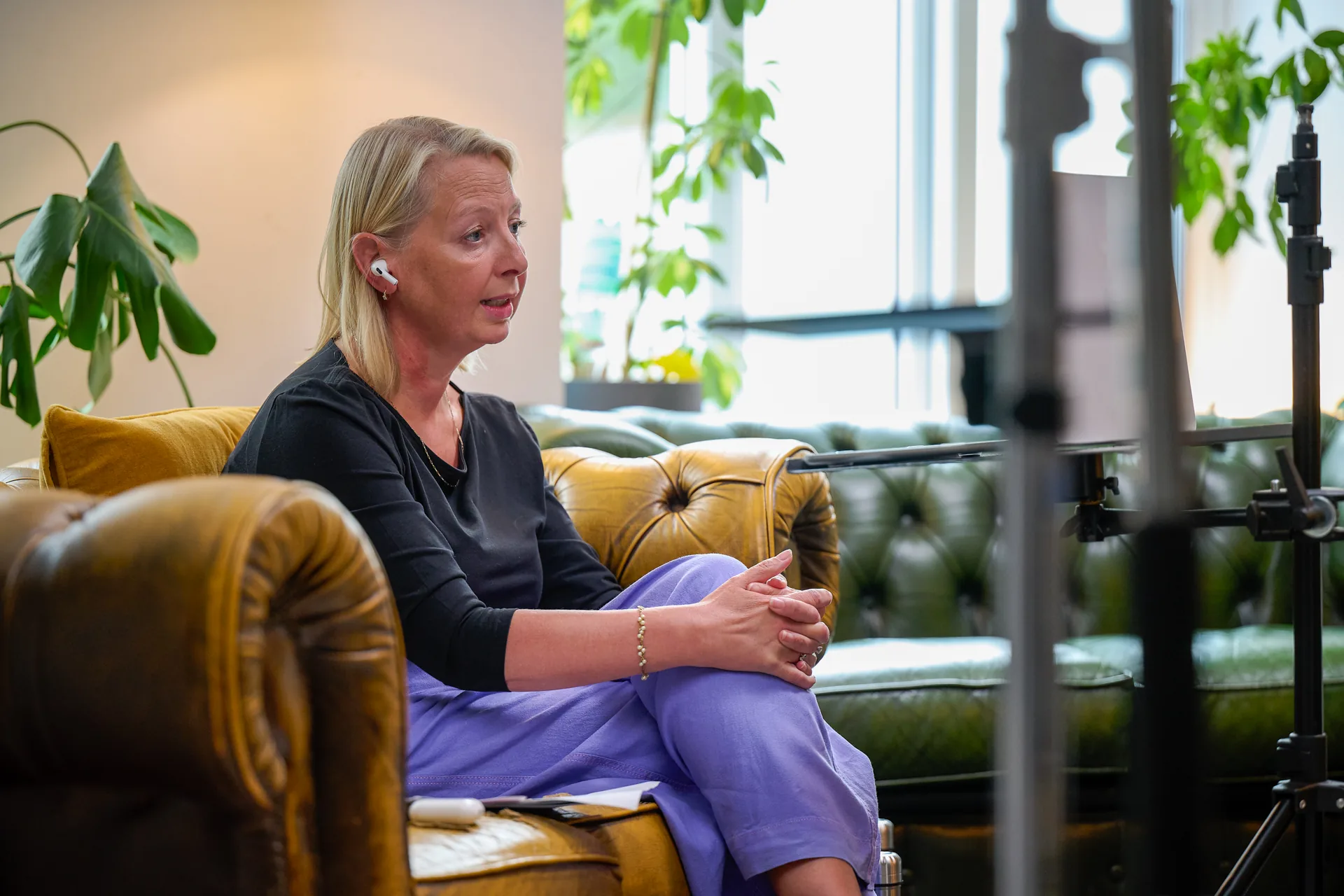
Ask about total cost and what it covers, image usage rights, retouching numbers and turnaround, who's actually behind the camera, and studio logistics before you pay a deposit. Get every answer in writing; Sprintlaw's contract guidance makes this the single biggest safeguard against disputes later. Dock Street Studio, for comparison, delivers retouched images within 48 hours, which gives you a benchmark to measure other quotes against.
TL;DR:
- Confirm the total fee and deposit percentage, and ensure the photographer provides a clear, written usage licence and turnaround time before booking.
- Expect to see full-session galleries for consistency and ask about the number of retouched images and file formats included in the package.
- Verify studio facilities, availability of backup equipment, and accessibility to avoid logistical issues on the shoot day.
- Understand what constitutes extra charges, such as overtime or additional retouching, and get all terms specified in a written contract to prevent disputes.
- Look out for red flags like no written agreement, vague licence explanations, refusal to share full galleries, and lack of insurance or backup gear.
The essential checklist: 12 questions to ask a photographer before you book
Copy this straight into an email or bring it to a consultation call. The order matters less than making sure nothing gets skipped.
- What is the total fee, and what deposit percentage secures the date?
- What exactly does the base rate include (styling, retouching, prints)?
- How many retouched images are in the package?
- What licence am I buying, and can I use the images commercially?
- What's the turnaround time, and is expedited delivery available?
- Who will actually be shooting the session?
- Is retouching done in-house or outsourced to a third party?
- What file formats and delivery method will I receive?
- What are the studio facilities, and is the space accessible?
- What backup equipment exists if something fails mid-shoot?
- What's the cancellation and rescheduling policy?
- Can I see full-session galleries from a recent, comparable shoot?
Run through this list before any money changes hands. A photographer who answers all twelve without hesitation, and puts the answers in writing, is telling you something about how they run their business. One who dodges two or three of them is telling you something too.
Experience, style and portfolio: the creative fit questions
A stunning hero shot tells you almost nothing about consistency. Peerspace's guidance on hiring photographers makes the case for requesting entire session galleries rather than the three best frames a photographer chose to showcase. That single change in what you ask to see exposes over-processed retouching or lighting that drifts between shots, problems a highlight reel is specifically designed to hide.
Beyond the portfolio itself, dig into fit:
- What proportion of your work is headshots or commercial photography, versus other genres?
- Can you show examples used for the same purpose I need (casting, LinkedIn, product catalogue, campaign)?
- How much art direction and posing coaching do you provide during the session?
- Will you adapt your natural style to match our brand guidelines, or is your style fixed?
An actor booking casting headshots needs a very different answer to that last question than a brand shooting a product catalogue.
Logistics and studio facilities: what to check before the day
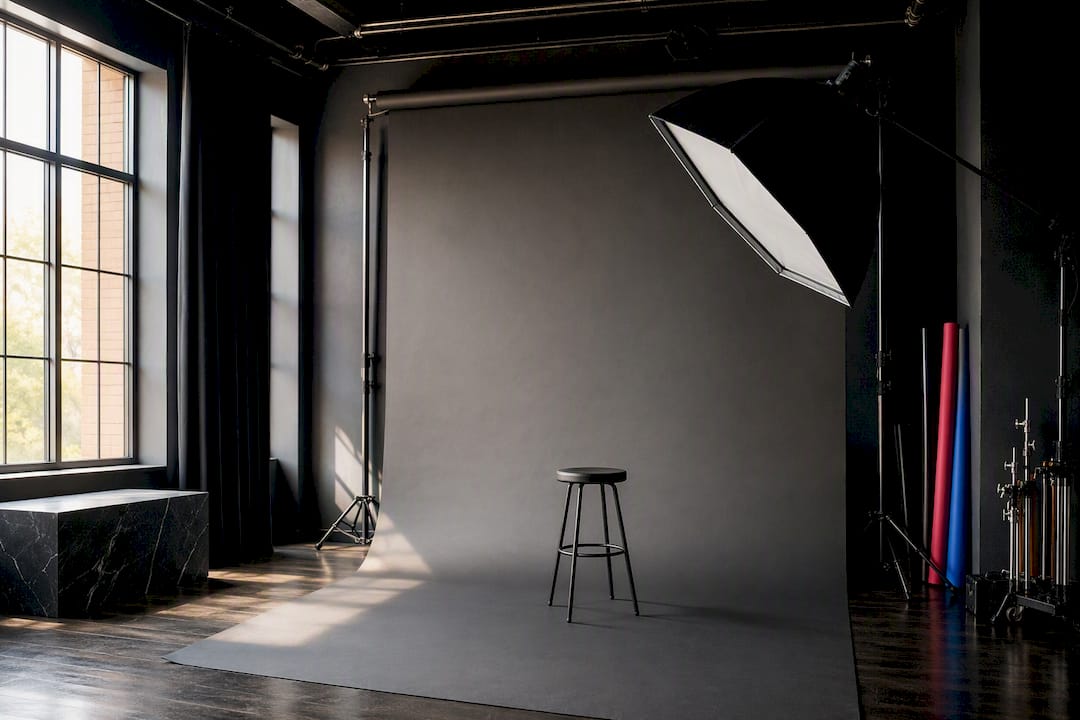
The creative brief matters, but a shoot can still go wrong over parking. Confirm where clients park, whether there's a changing space, and whether toilets and a client lounge are actually on site, not down the corridor in a shared building.
Ask about the physical setup too:
- What backdrops, lighting rigs and props are available, and is hair and makeup arranged in-house or do I book separately?
- Will an assistant or production crew be present, or is it just the photographer?
- Is the space accessible for anyone with mobility needs?
- What's the contingency if a light or camera fails halfway through the booking?
A room that handles two LinkedIn portraits beautifully can come apart on a forty-item product run. Ask logistics questions with your actual shoot volume in mind, not the smallest version of it.
Deliverables, retouching and usage rights: securing the files and licences you need
This is where vague verbal promises turn into expensive disputes. Sprintlaw's contract clauses guide is worth reading in full before you sign anything, because copyright in most photography contracts stays with the photographer while you're granted a specific usage licence, not full ownership of the images.
Get clear on:
- Which licence you're buying: commercial, marketing, print, and whether it's exclusive or non-exclusive.
- How many final retouched images are included, and whether high-resolution files come as standard.
- The retouching policy: how many revision rounds, and whether editing happens in-house or gets sent to a third party.
- The delivery method: online gallery, direct download, or physical media.
Pro Tip: Ask for the licence wording to be copied directly into your contract, not just described verbally on a call. "Commercial use" means different things to different photographers.
Turnaround time varies wildly across the industry, but it's a fair benchmark question. Dock Street Studio delivers retouched images within 48 hours, which is worth using as a comparison point when a quote comes back vague on timing.
Price, contract terms and payment: questions that prevent unexpected costs
Confirm the full fee, the deposit percentage, and the refund policy before booking, then get specific about what triggers an extra charge. Overtime, additional retouches beyond the package, and equipment upgrades are the usual culprits.
- What's the total cost, and what percentage deposit is required to hold the date?
- What counts as an extra, and what does it cost? Sprintlaw's research notes studios commonly charge additional fees for equipment packages on top of the base rate.
- Is there a written contract or terms sheet, and does it specify copyright and any licensing fees for commercial use?
- What's the delivery deadline, and are there credit terms or penalties if it's missed?
Pro Tip: If your campaign has a hard launch date, ask what happens if delivery slips. A photographer confident in their process will have an answer ready, not a shrug.
A deposit in the region of 25% to 50% is standard practice, according to Sprintlaw's analysis of photography contracts. Anything asking for full payment upfront, with no contract to back it, is worth a second look.
Day-of workflow and expectations: what to expect and how to prepare
Ask for a run sheet before the day itself. It should cover setup time, the order shots will happen in, outfit changes and scheduled breaks, so nobody's guessing on the day.
- Request a written run sheet showing timings for setup, shoot order and changes.
- Clarify who else will be present: an assistant, a second shooter, a stylist handling wardrobe or set dressing.
- Bring two to three wardrobe options unless told otherwise, and keep grooming simple rather than dramatic.
- If you're briefing talent on someone else's behalf, share reference images in advance so everyone arrives aligned on the look.
A pre-shoot questionnaire sorts most of this out before you even arrive, which is exactly the point of asking these questions early rather than discovering gaps mid-session.
Red flags and negotiation tips: how to spot problems and protect yourself
Some warning signs are easy to miss until you're already committed. No written contract, evasive answers about usage rights, or reluctance to show full galleries rather than curated highlights should all give you pause. So should a photographer who can't confirm they carry insurance or have backup equipment on hand.
- No contract offered, or resistance to putting terms in writing.
- Vague or shifting answers about who owns the images afterwards.
- Refusal to share full-session examples, only cherry-picked shots.
- No mention of insurance or backup gear if equipment fails.
Pro Tip: Ask for a small sample edit before booking a larger commercial package. It costs you little and tells you exactly how they handle retouching on your specific subject matter.
If a shoot misses the brief, negotiate remedies upfront: extra retouch rounds, a partial refund, or a reshoot clause written into the contract rather than agreed informally afterwards.
First-person view from Dock Street Studio: how we use these questions in our process
We ask these questions of ourselves before every client does, because a pre-shoot briefing document isn't a formality here, it's how we avoid reshoots. Every booking starts with a written brief covering usage licence, number of retouched images, and delivery format, agreed before the deposit is taken.
We commit to retouched images within 48 hours as standard, backed by full studio equipment and crew on site rather than gear hired in for the occasion. If a light fails mid-session, there's a backup on the shelf, not a phone call to a supplier. Clients checking our own answers against this checklist tend to book faster, because there's nothing left to chase after the call ends.
— Mark
How Dock Street Studio can help with your next shoot
Dock Street Studio answers every question on this checklist before you have to ask, because the pre-shoot brief, written licence terms and 48-hour delivery are built into how every session runs, not bolted on when a client pushes for it. That's a meaningfully different starting point to booking a freelance photographer and hoping the paperwork catches up afterwards.
Sessions include full studio equipment, a dedicated space in central Leeds, and a fee structure with no hidden equipment surcharges. If you're weighing up a headshot session, a commercial shoot, or studio hire for your own production, the commercial photographer page lists current pricing: half-days from £450, full days £750, editing included. Check availability there and get your written brief started before your date fills up. For studio hire specifically, our guide on what to check before hiring a studio walks through the same logistics questions in more depth.
Sources
Before you sign anything, these are worth bookmarking:
- Photography contract: key clauses, templates and legal tips — Sprintlaw
- Top questions to ask when hiring a photographer — Peerspace
- The photography client questionnaire every professional should have — HoneyBook
Frequently Asked Questions
What's the most important question to ask a photographer?
Confirm the total cost and exactly what it includes, then get the usage licence and turnaround time in writing before paying any deposit.
How many retouched images should I expect from a session?
This varies by package and photographer, so ask explicitly rather than assuming; the number should be stated in your contract alongside the delivery format.
What licence do I need for commercial use of headshots or product photos?
You need a commercial or marketing licence rather than a personal-use licence, and the contract should specify whether it's exclusive or non-exclusive.
How long should photo turnaround take?
Turnaround varies by studio, but Dock Street Studio delivers retouched images within 48 hours, which is a useful benchmark when comparing quotes.
Should I ask to see a photographer's full portfolio or just their best shots?
Ask for full-session galleries from recent, comparable shoots. Curated highlights can hide inconsistent lighting or over-processed retouching that a full set reveals.
What red flags suggest I shouldn't book a photographer?
No written contract, vague answers about usage rights, refusal to show full galleries, and no mention of backup equipment or insurance are all signs to walk away.
Where is the studio, and how do I book?
Dock Street Studio, Unit 9, 30–38 Dock Street, Leeds LS10 1JF, a short walk from Leeds train station with onsite parking. Book online or call to talk the brief through first.
Recommended
- Commercial Photography for Small Business
- How to Choose Headshots That Work Harder
- What a Commercial Photographer Actually Provides
- Commercial Shoot Planning Guide
Get your written brief started
Send us the questions above and we'll answer every one in writing before you commit to a date. Book online, email hello@dockstreetstudioleeds.co.uk, or call 0113 4400102.
Written by Mark Wheelwright
Commercial photographer & studio owner, Leeds | ISO Photographic Ltd
Dock Street Studio, Unit 9, 30–38 Dock Street, Leeds LS10 1JF
18+ years' experience | 900+ projects | 300+ five-star reviews | 1M+ shutter count
dockstreetstudioleeds.co.uk
Shot, written and built by the Dock Street team
Every guide on this blog comes from the team at Dock Street Studio — Mark behind the camera with 18+ years' experience, Nicole on styling and lighting, Beya on video and bookings and Austin keeping the site fast and findable. If you'd rather have us do it than read about it, book a session or explore our photography services in Leeds.