


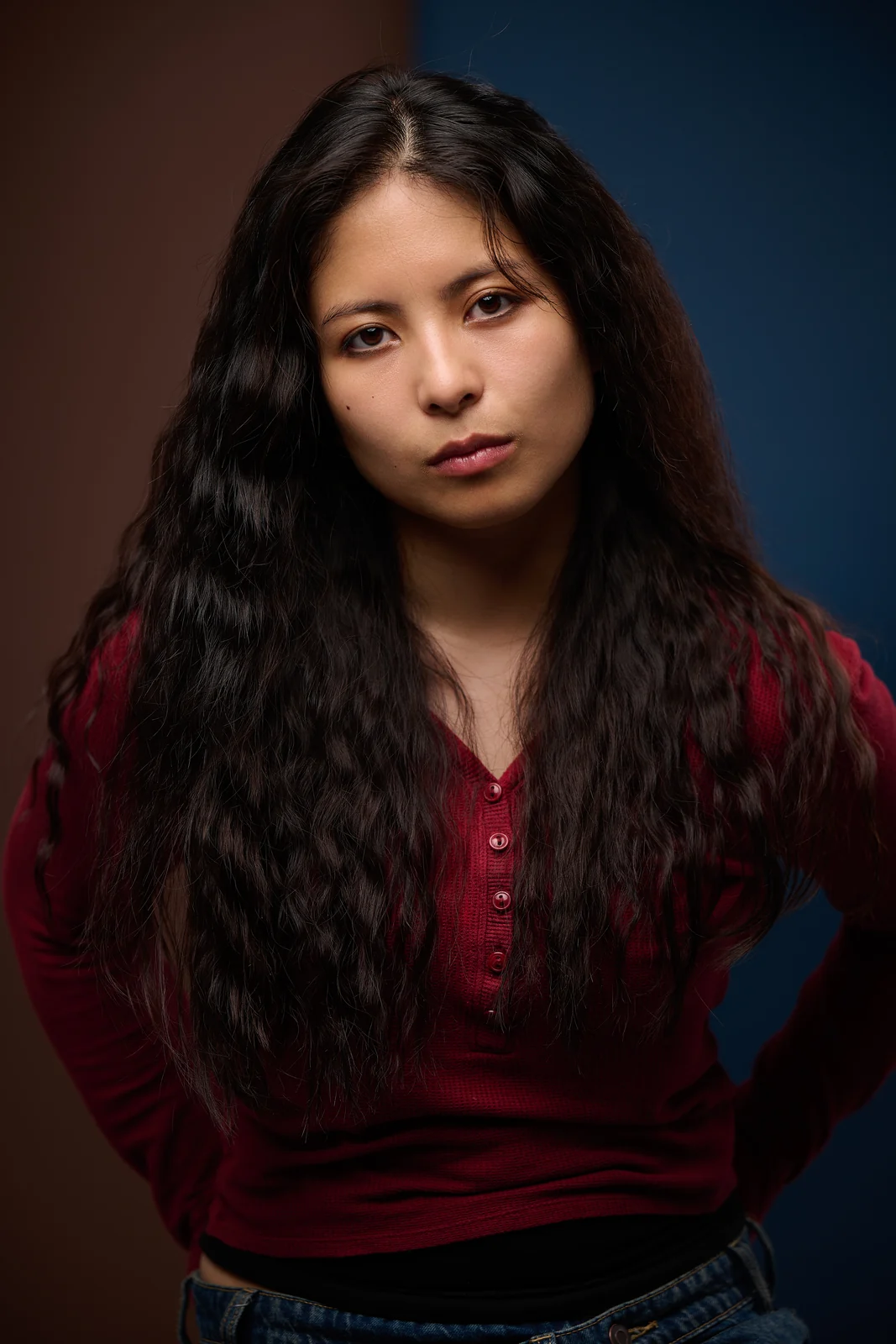
If a recognisable person is going to appear in your marketing, get a signed release before anything is published. A UK model release is a written agreement that records what someone has agreed to, and it is the difference between owning a photograph and having permission to use it commercially. It does not, however, replace your UK GDPR duties. Those run alongside the release and carry on long after the ink is dry.
This guide covers when a release is needed, what to put in one, the situations that need extra care, and how we handle releases on commercial shoots at our studio in Leeds.
What a model release actually is
A model release is a written agreement in which someone gives permission for their likeness, voice or image to be used in specific ways, for specific purposes. Think of it as the handshake made formal. Without it you have a photograph; with it you have permission to publish that photograph to sell something.
There is no single UK statute granting “image rights” in the way some countries recognise personality rights. Instead, a model release manages a mix of contractual, data protection and consumer protection risks that arise once you start publishing someone’s image for profit. The gap between “lawful to photograph” and “lawful to publish commercially” catches out more businesses than you would expect.
Taking a photograph of someone in a public place in England is generally not a criminal offence. Metropolitan Police guidance confirms that officers cannot make a photographer delete images without a court order, even if the subject objects on the spot. Publishing that same photograph in an advert is a different matter, because now you are using someone’s face to promote a product, and that shift from documentary to promotional use is exactly where a release earns its keep.
A release heads off disputes like these:
- A model says they agreed to a portfolio shoot, not a national campaign.
- A former employee’s headshot is still on your website months after they left.
- A customer featured in a “before and after” post objects to the image being used in paid social adverts.
- An event attendee never realised their photo would end up on a sponsor’s packaging.
Every one of those is avoidable with clear written terms agreed before the shutter clicks.
When you need a model release in the UK
Not every photograph needs a release, but a surprising number of everyday commercial situations do.
- Advertising, paid social and hero imagery. A recognisable person in a paid campaign, on a billboard, on your homepage or on packaging needs explicit written permission covering that use. Editorial and documentary work has more room; the moment money changes hands to promote something, you are in release territory.
- Staff photos, testimonials and case studies. Team headshots on a careers page, or a client quote paired with their photo, both use someone’s likeness for a business purpose beyond their contract. HR paperwork rarely covers this, so a separate release or clear consent wording matters.
- Influencer and customer content. Reusing an influencer’s post in your own adverts, or reposting a customer’s photo on your site, needs written permission for that specific reuse. A tag is not a licence.
- Public-place photography repurposed later. Street photography for an editorial piece carries lower risk. Lift the same frames into a brochure a year later and the risk profile changes, because the subjects agreed to nothing at the time.
- Crowd shots at events. A wide frame of a conference audience for a recap is usually fine. A close, identifiable crop of one attendee on a sponsor’s landing page is not, and organisers should plan for that at the ticketing stage rather than after the edit. We cover this in more detail when we quote for event photography in Leeds.
A useful test if you are unsure: will this image ever appear somewhere a stranger might reasonably assume the person endorsed a product or brand? If yes, get the release signed before you shoot, not after.

What to put in a UK model release
A template is only as good as its clauses. Generic wording pulled from an old form leaves gaps that matter enormously once a dispute lands on your desk. Work through each of these before you settle on your own version.
Parties and a description of the content
Name both parties clearly: the business or photographer commissioning the work, and the model or subject. Describe what is covered with enough precision that nobody can argue about scope later, for example “photographs and video captured during the session on [date] at Dock Street Studio, Leeds”. Vague phrases like “any images taken” invite arguments months down the line.
Permitted uses, editing rights and credit
Spell out where the images can appear: website, print advertising, paid social, packaging, trade shows. State the territory (UK only or worldwide, which matters more than it used to given how far a single post can travel) and the duration, whether perpetual or a fixed term such as two years from the shoot date. Cover editing explicitly. Retouching, cropping and colour grading are standard; combining someone’s face with unrelated or unflattering content usually needs separate sign-off. Decide up front whether the subject expects a credit. Most commercial work does not include one, but say so either way.
Payment, withdrawal and signatures
If there is a fee, state the amount and whether it covers the sitting alone or specific usage rights as well. Address withdrawal: can the model ask for an image to be pulled from future use, and in what circumstances? Many UK releases make clear that withdrawal does not apply to material already published or printed, which spares the business an impossible obligation to recall brochures already in circulation.
Signature lines should carry the model’s name, signature and date, plus a simple capacity confirmation (“I am 18 or over and have the authority to give this consent”). Witnessing is not a legal requirement for a standard commercial release, but a second signature from the photographer or a studio representative is a useful record of when and where consent was given.
Data protection wording to sit alongside it
Add a short paragraph confirming that images may be personal data under UK GDPR, and point to your privacy notice for retention periods and how to make a rights request. It is not a substitute for a full privacy notice, but it flags that data protection sits alongside the contractual permission.
Building the release into your workflow
A release only works if it is actually signed, stored and linked to the right files. Build it into the process rather than bolting it on afterwards.
- Before the shoot: send the release with the booking confirmation, so people can read it properly instead of skimming it five minutes before the camera comes out.
- On the day: use an e-signature tool or a simple signed paper form, dated. For anyone who might be under 18, confirm parental consent before going any further.
- After the shoot: store the signed release securely and link it to the shoot’s delivery record, so you can prove permission for a specific image years later.
- On reuse or late requests: if a subject asks for removal after publication, check what the release actually permits before you reply. Most limit withdrawal to future use only.
One habit that saves a lot of hunting: name release files to match your shoot folders exactly, with client name, date and shoot reference. If a usage question comes up two years on, you can find the document in seconds rather than trawling old emails.

Special cases: minors, crowds, employees and influencers
Standard wording does not fit every situation. A handful of common scenarios need extra care.
- Minors: a parent or legal guardian signs on behalf of anyone under 18, and the release should confirm the signatory’s relationship to the child and their authority to consent.
- Crowds and events: wide, non-identifiable frames carry low risk, but clear signage at the door (“photography may be taken for promotional use”) manages expectations for anyone who ends up recognisable in a closer shot.
- Employees: a photo taken for the internal newsletter is not automatically fine for external marketing. Employers need a documented lawful basis for using staff images externally, ideally set out in a privacy notice or HR policy separate from the employment contract.
- Influencers and customer content: repurposing someone else’s content in paid adverts needs a written agreement covering which posts, which platforms and for how long, plus clarity on advertising disclosure now that the content is promoting a product.
The common thread: the further the eventual use is from what the subject originally expected, the more explicit your written permission needs to be.
Data protection duties that survive a signed release
Here is the mistake even careful businesses make: treating a signed release as the end of the compliance conversation. It is not. Photographs of identifiable people are personal data under UK GDPR, and that brings a separate set of obligations a contract alone does not satisfy.
Whether an image counts as personal data depends partly on context. The ICO has said the same image can be personal data for one organisation and not another, depending on what that organisation does with it. A headshot sitting in an internal casting database is a different thing from the same image across a national campaign.
In practice that means:
- Decide and document your lawful basis for processing the images: consent, legitimate interests or contract, depending on the situation.
- Provide clear privacy information, including how long you will keep both the images and the release itself.
- Keep stored images and signed releases secure, and treat them as the personal data records they are.
- Reserve “consent” as a lawful basis for cases where it genuinely fits. Legitimate interests often works better for standard commercial photography, because consent under GDPR must be freely given and easy to withdraw, which sits awkwardly with a paid campaign already in market.
Every business processing personal data must follow rules on lawful basis, transparency, retention and security, and a release does not excuse you from any of it. Treat the release as your permission to publish, and GDPR as the separate, ongoing discipline of handling the data properly.
Where to find reputable UK templates
You do not need to draft a release from scratch, but it helps to know which source suits which situation.
- The RPS model release form is a free PDF from the Royal Photographic Society, well suited to freelance and independent photographers who want solid baseline wording without legal fees.
- LawDepot’s UK model release generator builds a document from a short set of questions, handy when payment, territory or duration vary between shoots.
- Sprintlaw’s guidance article breaks down UK-specific clauses in plain English and is worth reading before you adapt any template.
- Off-the-shelf templates are fine for routine commercial shoots. Get proper legal advice for shoots involving minors at scale, cross-border licensing, or campaigns where the cost of a dispute would dwarf a solicitor’s fee.
How we handle releases on Leeds shoots
Running releases properly is a matter of habit, not clever paperwork. At Dock Street Studio it looks like this:
- Before the day: release terms go out with the booking confirmation, so clients and models see them before they arrive rather than while the clock is running.
- On the day: the pre-shoot briefing confirms exactly what the images are for before anyone steps in front of the camera, and we check parental consent whenever a minor is involved.
- Afterwards: the signed release is filed with the shoot’s delivery record, so a usage question a year later is answered in minutes.
A short clause that cuts friction at signing: “I agree that the photographs taken during this session may be used by [Business Name] for the purposes set out in my booking confirmation, including website, print and paid social advertising, for [X years] from the date of the shoot.” Specific, time-bound, and readable in under thirty seconds.

The same applies if you are running your own shoot in our space. If you hire our photography studio in Leeds and bring your own models, the release is your responsibility, and we are happy to talk it through before the day.
Consistency beats clever wording
The businesses that get burned by model releases are rarely the ones using the wrong template. They are the ones with no consistent process, where one shoot gets a release and the next does not, depending on who remembered. A release built into your booking confirmation removes that decision entirely. Nobody has to remember to ask for a signature if the workflow already assumes one, and marketing teams stop chasing sign-off on images that already carry documented permission.
Our honest view, having worked through plenty of these: most disputes come from vague scope, not bad intent. Nobody sets out to misuse a model’s image. They just never wrote down what “use” meant. Fix that at the booking stage and most of the risk disappears before the shutter ever clicks.
Frequently Asked Questions
Do I need a witness for a model release?
No. Witnessing is not a legal requirement for a standard UK commercial release, though a second signature from the photographer or studio is a useful record of when consent was given.
What happens if I don’t have a model release form?
You have no written evidence of permission for commercial use, which leaves your business exposed if the subject later disputes how their image was used. That gap is exactly what a release is designed to close.
How do I make a model release form?
Start from a reputable template such as the RPS PDF or a LawDepot generator, then adapt the clauses on parties, permitted uses, duration, payment and withdrawal to match your shoot.
Is it illegal to photograph someone without permission in the UK?
Taking photographs in a public place in England is generally not a criminal offence, and police cannot force deletion of lawful images without a court order. Publishing an identifiable person’s image commercially without consent is a separate legal risk.
Where is the studio, and how do we book?
Dock Street Studio is at Unit 9, 30–38 Dock Street, Leeds LS10 1JF, near Leeds Dock and a short walk from the train station, with parking onsite. Book online, email hello@dockstreetstudioleeds.co.uk, or call 0113 4400102 and we will talk the release through with the brief.
Book a commercial shoot in Leeds with releases handled
Commissioned shoots with us come with the release conversation built into the booking, so you are not drafting paperwork or chasing signatures after the fact. Commercial photography starts from £450 with retouched images typically back within 48 hours, and you can see the full range on the Dock Street Studio services page or have a look around Dock Street Studio first. Book online, email hello@dockstreetstudioleeds.co.uk, or call 0113 4400102.
Sources
- Sprintlaw – Model release form template in the UK: what to include
- RPS – Model release form (PDF)
- GOV.UK – Data protection
- Metropolitan Police Service – Photography advice
Related reading
- Studio Hire Checklist UK: What to Confirm Before You Book
- How to Prep for an Actor Headshot Shoot in Leeds (2026 Guide)
- How to Brief a Photographer | Leeds Studio
- Professional Headshot Session Guide | Leeds Studio
Written by Mark Wheelwright
Commercial photographer & studio owner, Leeds | ISO Photographic Ltd
Dock Street Studio, Unit 9, 30–38 Dock Street, Leeds LS10 1JF
18+ years’ experience | 900+ projects | 300+ five-star reviews | 1M+ shutter count
dockstreetstudioleeds.co.uk
Shot, written and built by the Dock Street team
Every guide on this blog comes from the team at Dock Street Studio — Mark behind the camera with 18+ years' experience, Nicole on styling and lighting, Beya on video and bookings and Austin keeping the site fast and findable. If you'd rather have us do it than read about it, book a session or explore our photography services in Leeds.