


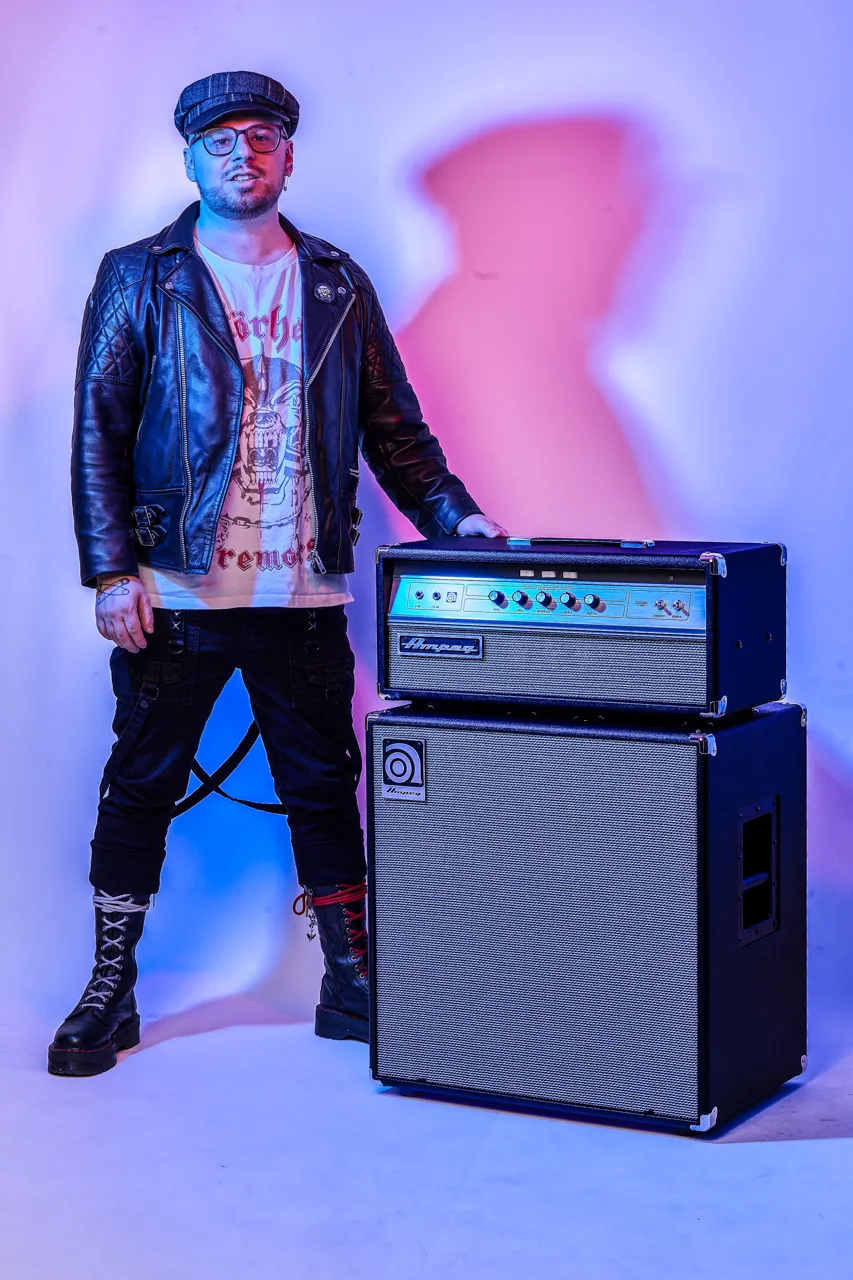
Most people who book a headshot with us open the conversation in much the same way. They say they hate having their photo taken, or that they are not photogenic, usually with a small apologetic laugh. It happens often enough that we stopped treating it as unusual years ago.
So this is not a list of posing tips. It is a plain account of what a professional headshot session actually involves at our Leeds studio, in the order it happens, from the week before you arrive to choosing the frames at the end. If you know what is coming, there is a good deal less to be nervous about.
The week before: decide what the photograph is for
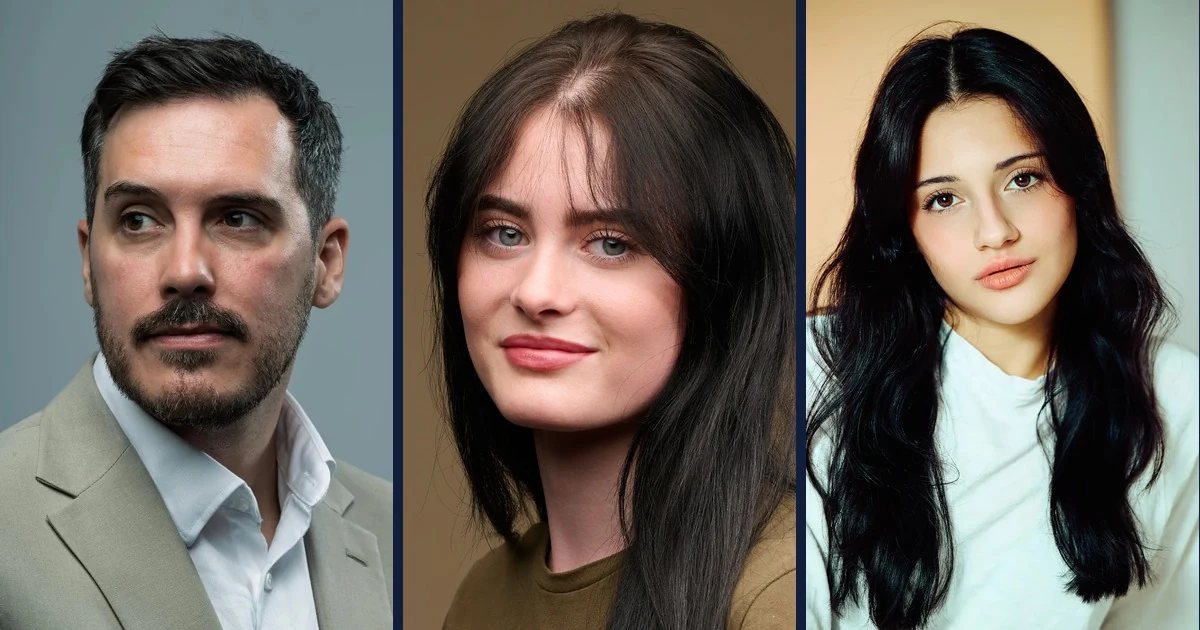
The most useful thing you can do in advance is work out where the image is going to live. A LinkedIn profile, a staff directory, a proposal document, a speaker listing, a press release. Each wants a slightly different crop, and some of them want space around your head for text to sit.
Tell us that up front and we will shoot with those crops in mind, rather than cropping in afterwards and hoping. If your organisation has brand colours, or an existing set of portraits the new ones need to sit alongside, send them over. Matching an established look is far easier than reverse-engineering it once the shoot is done.
It is also worth deciding what the picture needs to say. A solicitor, a surveyor or a senior NHS manager usually wants calm and credible. An independent cafe owner or a designer can be warmer and looser. A construction firm in Yorkshire tends to want straightforward and capable with no gloss on it. There is no universal right answer, and anyone who tells you there is has a house style to sell. You can see the range we shoot on our headshot photography page.
Two or three days before: clothes and grooming
Bring options, not a wardrobe
Two or three tops is the sweet spot. Enough to give us a real choice, not so many that we spend half the session in the changing area. Plain mid-tones are the lower-risk option: navy, charcoal, olive, burgundy, soft blue. They photograph predictably and they do not argue with your face.
Bright white can look excellent but needs managing under studio light, and solid black can vanish into a dark background. Neither is banned. It depends on the background we end up using. Fit matters more than the label, and a jacket that sits properly on the shoulders beats an expensive one that does not. There is more in our guide to what to wear for headshots.
Keep grooming close to your normal
Have a haircut a few days ahead rather than the morning of, so it has time to settle down. If you wear make-up, wear the version you would wear to meet a client, not the version for a night out. Studio lights find shine, so a little powder helps, although we can also handle it with the lighting and a light touch in the edit.
For beards, a tidy trim is usually plenty. If you shave, do it early enough that any redness has gone. Bring a comb, lip balm and whatever small thing makes you feel more put together. Unglamorous, all of it, and it still makes a difference.
The morning of your professional headshot session
Try not to book straight after a long journey, a hard gym session or a late night. You do not need to look like you have had a fortnight in the sun. Fed, hydrated and unhurried covers most of it.
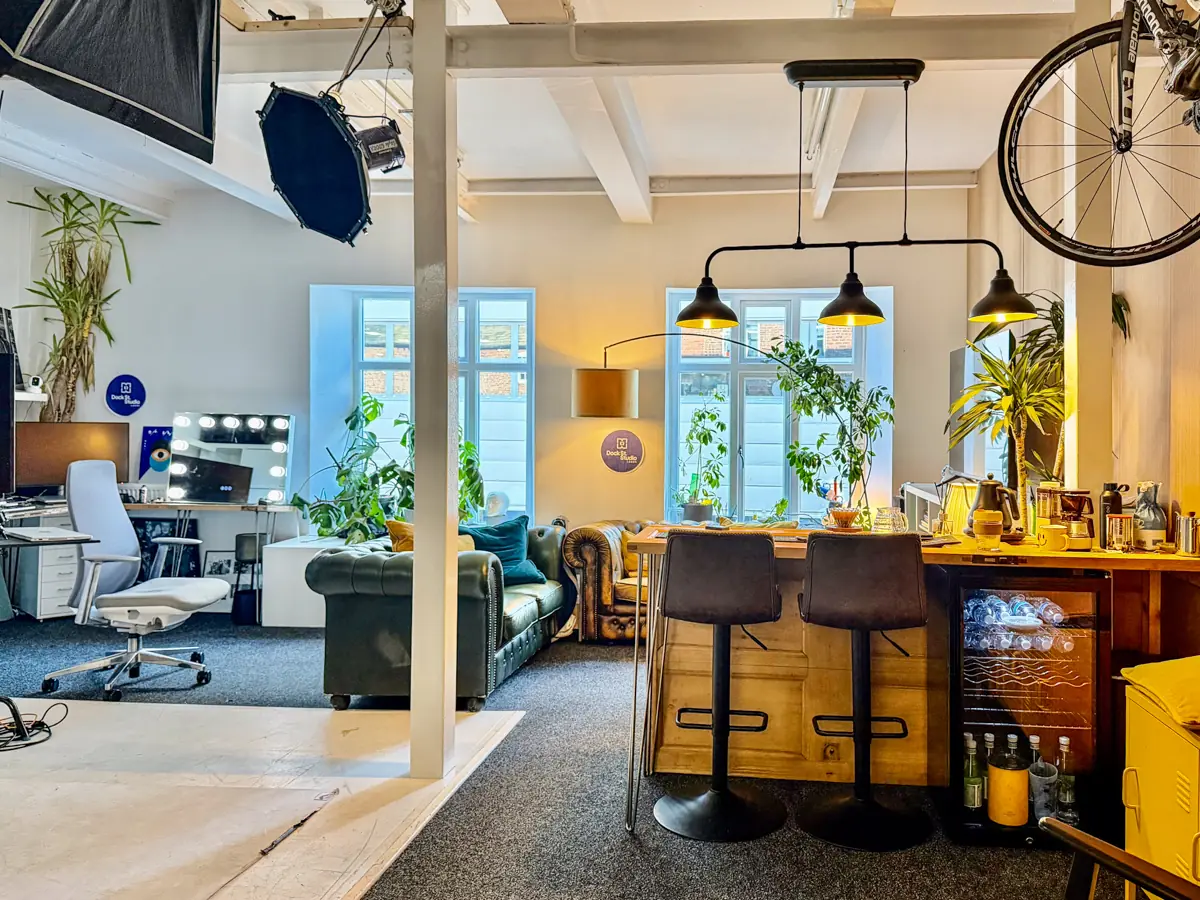
We are at Unit 9, 30–38 Dock Street, a few minutes on foot from Leeds train station with parking onsite, so getting here is rarely the difficult part. If you are travelling in from York, Sheffield or the far side of West Yorkshire, leave enough margin that you are not arriving flustered. In warm weather, or after a full day at work, bring a clean spare shirt.
One more thing, and it matters more than any of the above. Tell us before the camera comes out if something is worrying you. A side of your face you dislike, glasses that catch reflections, a previous shoot you did not enjoy. There is nearly always a practical way around it, and it is much easier to sort at the start than to discover halfway through.
The first fifteen minutes: settling in
You get a brew and we go through the brief properly. We look at what you have brought, choose a background and set the lighting to suit the job the photograph has to do. A clean pale background feels open and modern. A darker tone carries more weight and warmth. Neither is better in the abstract, and we will say which we think fits.
Then we take some frames nobody expects to keep. That part is deliberate. The camera sits closer than most people are used to, and the first few minutes are mostly about getting past that. Almost everyone loosens once they realise no single frame is carrying the whole session.
The middle of the session: direction and range
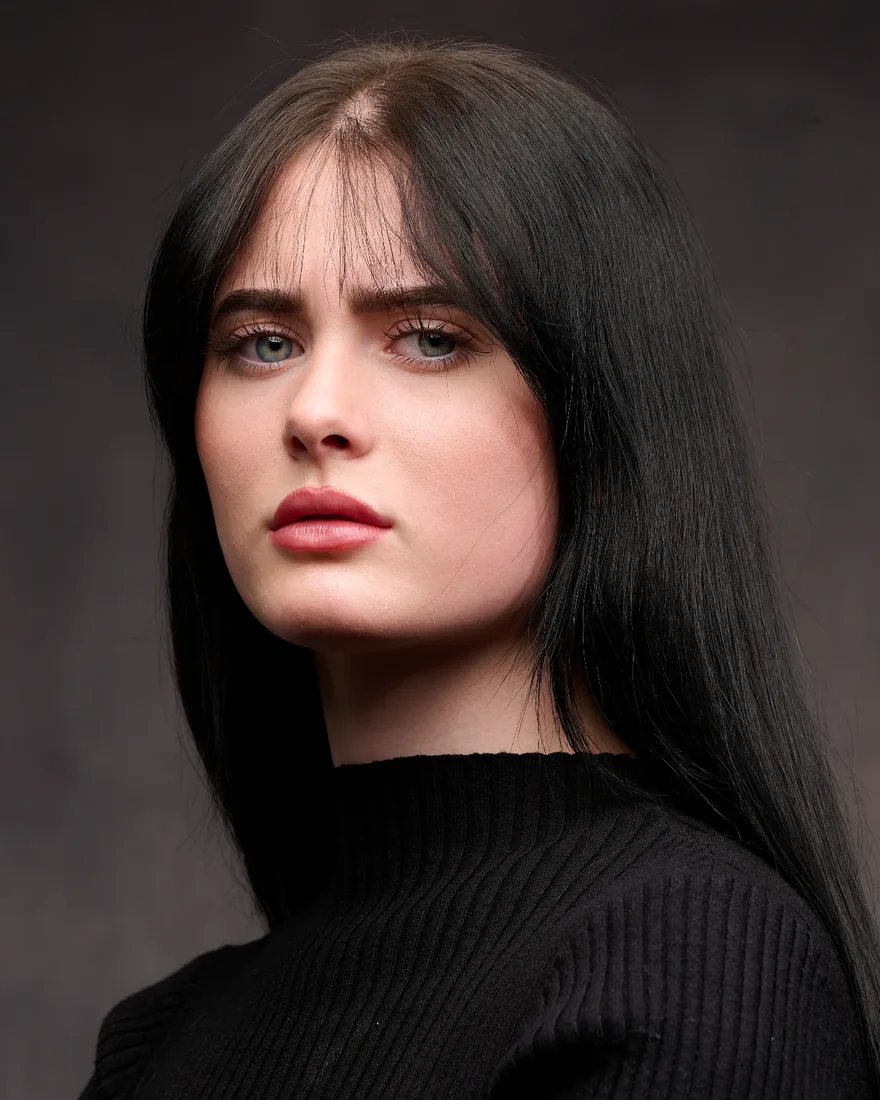
You will not be left working out what to do with your hands, your shoulders or your chin. Small adjustments make a surprisingly large difference on camera, and we call them as we go. You do not need to arrive knowing how to pose. That is genuinely our job, not yours.
We shoot a range rather than one frozen smile held for twenty minutes. Open and friendly, more focused, something quieter if that suits the role you are in. Between setups we keep talking, because the useful expressions tend to arrive in the gaps rather than on command.
If you wear glasses, bring them, and bring the second pair if you have one. They are part of how people recognise you, and reflections are a solvable problem of angle, position and light. Taking them off to make the photographer's life easier leaves you with a portrait that is not quite you.
Seeing the shots as we take them
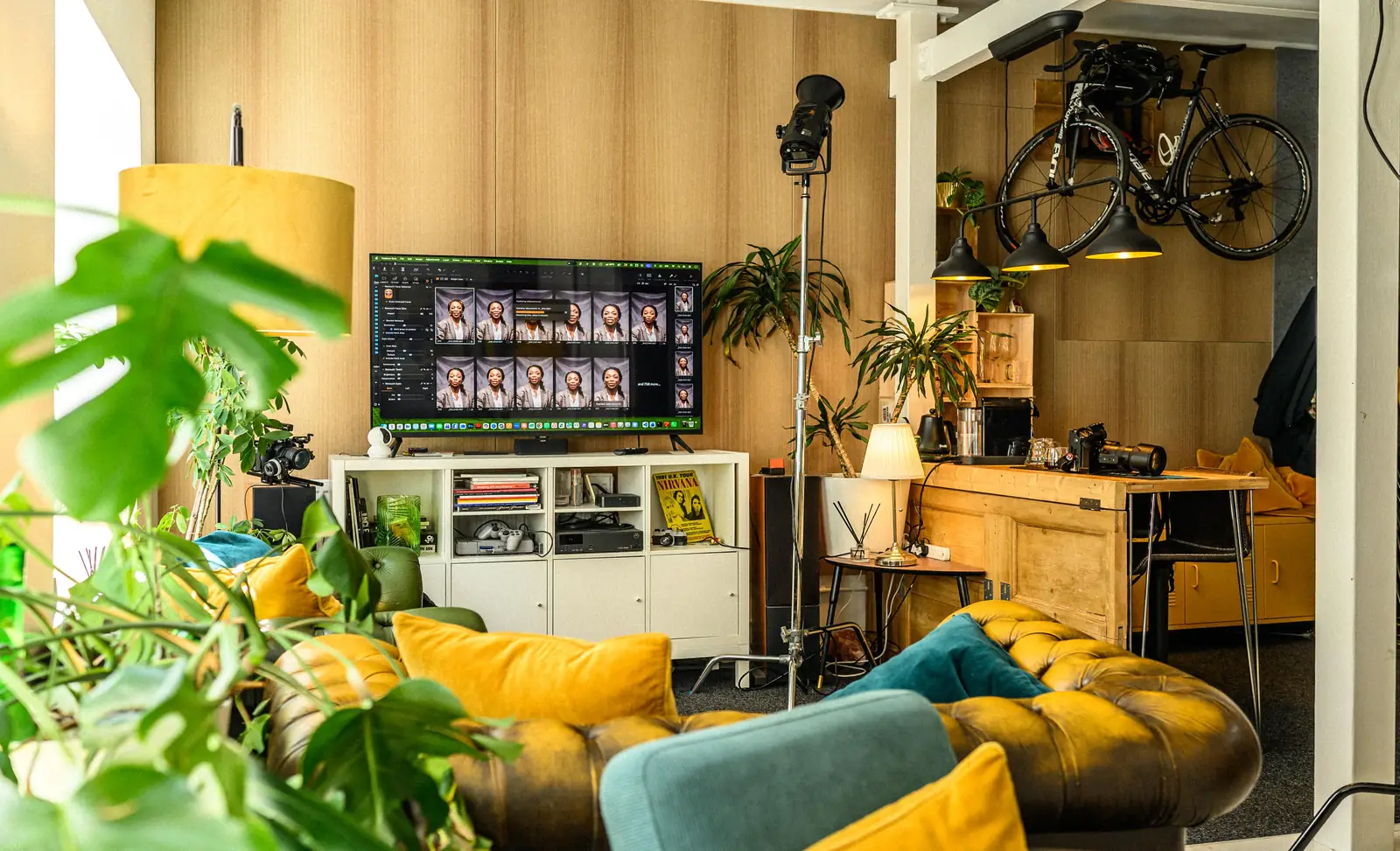
Everything is shot tethered into Capture One, so the frames come up on a large screen in the room a second after they are taken. You are not waiting a fortnight to find out how it went.
That changes the session for the better. If a collar is sitting oddly, or a smile is not landing, we both see it straight away and fix it while you are still in front of the camera. It also takes a lot of the worry out of the process, because you leave knowing there is something in there you like. We have set out why we shoot tethered if you want the longer reasoning.
Choosing the final images
When you review the shots, resist picking the frame where you look most conventionally attractive. Pick the one that looks most like you and does the job. A useful test is whether a client or a recruiter would get a clear, positive impression of you in about two seconds.
Check it small as well as large. A photograph can look excellent full screen and lose everything as a circular profile picture the size of a fingernail. If your eyes stop reading at that size, choose another frame rather than trying to rescue that one.
Editing is restrained here. We clear temporary distractions, manage shine and tidy a crease, and we leave skin texture, smile lines and the features that make you recognisable alone. An over-edited headshot quietly undermines the trust it was meant to build.
When a studio session is not the right call
Sometimes it is not, and we would rather say so. If you need people photographed doing the work, on a site, in a workshop or behind a bar, a clean studio portrait will not tell that story. You would be better served by us coming to you, or by a brand shoot where the environment is half the point.
There are also times when a full session is more than you need. If one person needs one usable profile picture and nothing else, book the short option and spend the difference elsewhere. We would far rather you came back in two years for something bigger than paid today for a longer sitting you had no real use for.
And if you already have a portrait taken in the last year or two that still looks like you, keep using it. A headshot that works does not need replacing on a schedule.
If you are booking for a team
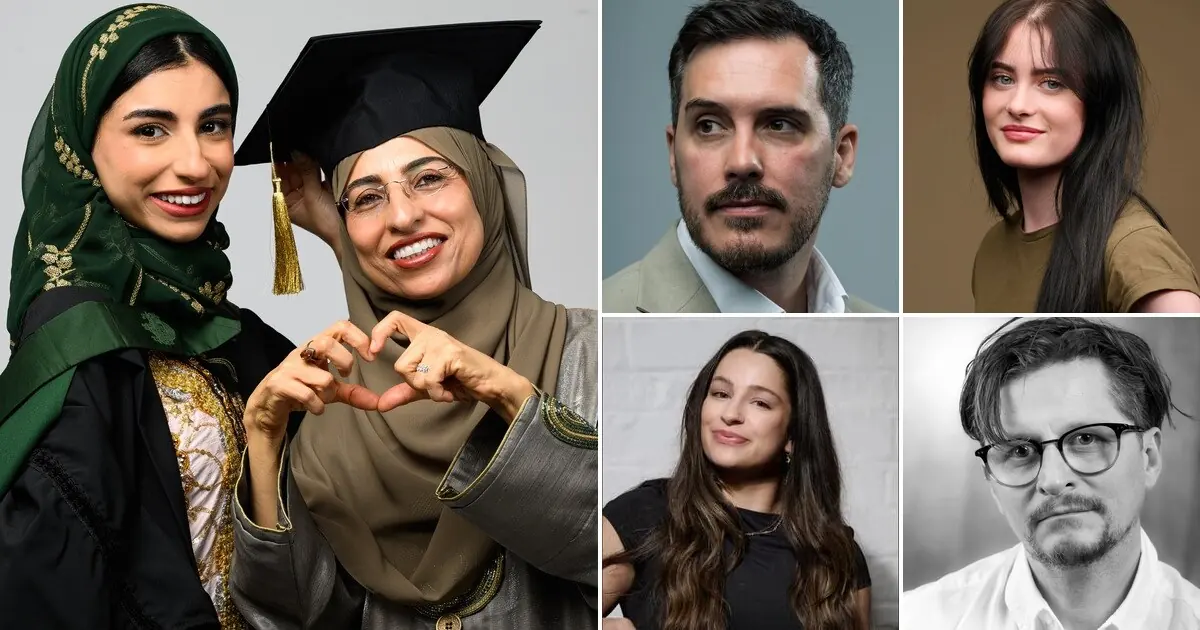
Allow proper time per person. Pushing people through in three-minute slots because everyone is busy shows in the results, and you end up with forty portraits that all look slightly braced. A consistent setup keeps the day efficient without making a fuss of it.
For a team, consistency is usually worth more than variety. The same background, the same lighting and a similar crop mean the website page reads as one organisation rather than a collage assembled over five years. Our LinkedIn and team headshot sessions are built around exactly that, starting at £95 a person.
Frequently Asked Questions
How long does a headshot session take?
It depends which option you book. The LinkedIn Express is a short, focused sitting for one clean profile image, while the In-Depth Portrait allows time for several looks and outfit changes. We will tell you what to expect when you book so you can plan the rest of your day.
How much does a professional headshot cost?
Headshots start at £95. The LinkedIn Express is £95, the Quick-Fire Spotlight is £150 and the In-Depth Portrait is £200, with team pricing worked out per person.
Can I bring more than one outfit?
Yes, and we would encourage it. Two or three tops gives us something to compare under the lights, which is much more reliable than deciding in front of a mirror at home.
What if I really hate having my photo taken?
You are in the majority, and it is not a problem. We work slowly at the start, show you the frames as we go, and stop when we have what we need rather than filling a slot.
Do I need to know how to pose?
No. We direct posture, angle and expression throughout, in small specific instructions rather than telling you to relax. Nobody has ever relaxed on being told to.
Where is the studio and how do I book?
Dock Street Studio is at Unit 9, 30–38 Dock Street, Leeds LS10 1JF, in central Leeds near Leeds Dock and a short walk from Leeds train station, with parking onsite. Book online, email hello@dockstreetstudioleeds.co.uk, or call 0113 4400102.
Book your headshot session in Leeds
Tell us where the photograph needs to work and we will plan the session around that, with the frames on screen as we shoot so nothing is a surprise at the end. Book online, email hello@dockstreetstudioleeds.co.uk, or call 0113 4400102.
Written by Mark Wheelwright
Commercial photographer & studio owner, Leeds | ISO Photographic Ltd
Dock Street Studio, Unit 9, 30–38 Dock Street, Leeds LS10 1JF
18 years in business | 900+ projects | 300+ five-star reviews | 1M+ shutter count
dockstreetstudioleeds.co.uk
Shot, written and built by the Dock Street team
Every guide on this blog comes from the team at Dock Street Studio — Mark behind the camera with 18+ years' experience, Nicole on styling and lighting, Beya on video and bookings and Austin keeping the site fast and findable. If you'd rather have us do it than read about it, book a session or explore our photography services in Leeds.