


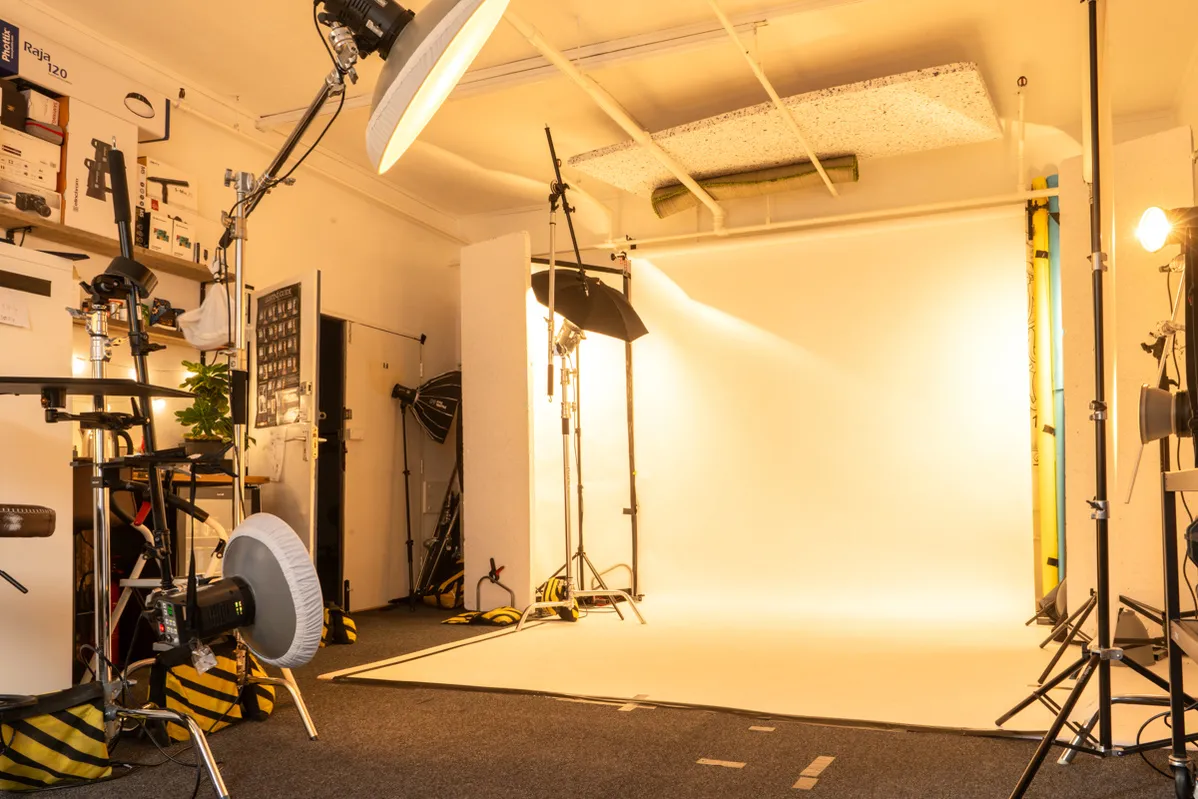
If the photo is going somewhere that shapes how people judge your work — LinkedIn, a casting profile, an agency roster, the team page on your company site — we’d always suggest booking a professional. If it’s for an internal Teams avatar, or a placeholder while you plan a proper shoot, a careful DIY photo is fine.
That’s the short answer to professional vs DIY headshots. The longer answer is more useful, because the gap between the two rarely shows up as obviously “bad” quality. Modern phones take sharp pictures. Where DIY falls down is consistency, retouching judgement and, above all, how the final frame gets chosen. We’ve spent 18+ years photographing people in Leeds, and this guide covers when each route makes sense, how to get the best from a home setup, and what a studio session actually adds.
In short:
- For career-facing uses — LinkedIn, casting, recruiters, company websites — a professional headshot is usually worth it.
- DIY works for internal, temporary or low-stakes profiles, provided you get the light and background right.
- The real gap is consistency, retouching restraint and who chooses the final frame.
- If you shoot at home, let someone else pick your best shot — research shows we choose weaker photos of ourselves.
- Studio headshots in Leeds start from £95, with retouched images delivered within 48 hours.
In this guide
- Professional vs DIY headshots: what a photographer actually adds
- When a DIY headshot is sensible, and when it isn’t
- A step-by-step checklist for DIY headshots
- Costs, time and whether it pays for itself
- What the research says about retouching and choosing photos
- DIY headshot kit at three budgets
- Professional retouching versus editing apps
- Common DIY headshot mistakes and how to avoid them
- Why consistency matters for your personal brand
- How to choose a headshot photographer
- How a headshot session works at Dock Street Studio
- Our view from behind the camera
- Sources
- Frequently Asked Questions
- Ready to book a professional headshot in Leeds?
Professional vs DIY headshots: what a photographer actually adds
A studio session buys you control that’s genuinely hard to recreate at home. We manage the lighting ratio, choose a lens that flatters your features rather than stretching them, and shoot tethered into Capture One so you can see every frame on a large screen as we go. That last part matters more than people expect. You’re not getting home to find a closed eye in every shot.
Then there’s consistency. If we photograph a team of ten, every headshot shares the same background tone, lighting direction and crop. Ten people taking their own photos on ten different days never looks like a team, however good each picture is on its own.
The trade-offs are real, though, and it’s worth being honest about them:
- Cost. Studio headshots start from £95 for a single-look session. On-location team shoots run to £450 for a half day or £750 for a full day.
- Scheduling. You’re booking around a diary rather than shooting whenever the light looks good.
- Team logistics. Getting several people in one place takes more planning than asking everyone to send a selfie.
- Usage rights. Some photographers restrict how you can use the images unless licensing is agreed up front, so it’s worth asking before you book.
Retouching is where the difference becomes measurable. Headshots retouched by an experienced professional are rated more favourably on first impressions than photos people edit themselves, largely because a professional knows how much correction is enough and where editing starts to look artificial.
When a DIY headshot is sensible, and when it isn’t
DIY headshots earn their keep in lower-stakes situations. A home photo is perfectly sensible when:
- You need a temporary profile picture for Slack or Teams.
- You’re refreshing your LinkedIn and want a placeholder while you arrange a proper shoot.
- The platform is low-stakes, such as a community forum or a personal blog byline.
- You need something today, and the alternative is no photo at all — which nearly always looks worse than an average one.
Once the stakes climb, we’d steer you towards a professional. That means applying for a senior role, working with a recruiter or agency, building brand imagery for a business, or submitting a casting profile, where our actor headshots are lit and cropped with casting directors in mind. People who review profiles for a living see a great many of them, and a flat, poorly lit photo can suggest you’re not taking the opportunity seriously before they’ve read a word.
Three questions help you decide:
- Where is the photo going, and for how long? A LinkedIn picture can stay up for years; a Slack avatar might change next month.
- Who’s looking, and what do they judge on sight? Recruiters and casting directors form impressions quickly.
- How often will people see it? The more exposure an image gets, the faster a professional session pays for itself.
A step-by-step checklist for DIY headshots
If you’re going the DIY route, work through these in order. The sequence matters almost as much as the steps.
- Face a large window in daylight. Stand facing it rather than side-on, and switch off warm overhead bulbs so you don’t end up with an orange-and-blue colour clash.
- Bounce light into the shadows. A cheap reflector or a big sheet of white card, held just below your face, lifts the shadows under your eyes and chin.
- Pick a plain background. A neutral backdrop and a head-and-shoulders crop keep you recognisable at small avatar sizes, which is how most people will see it.
- Step back and crop in later. Phone lenses held close distort faces and enlarge the nose. Standing further away and cropping afterwards avoids this.
- Use a tripod. Or prop the phone on a stack of books. Handheld shots soften focus, especially indoors.
- Use a timer or remote. You’ll settle into a natural expression rather than bracing for a countdown.
- Bring your chin slightly down and forward. With the camera just above eye level, this defines the jawline and is kinder than a dead-level angle.
- Keep the smile relaxed. A soft, closed-mouth or gently open smile usually reads as more confident than a big grin.
- Shoot far more than feels necessary. Fifty to a hundred frames with small changes in angle and expression gives you real choice.
- Let someone else choose. It’s the step almost everyone skips, and the one with the clearest research behind it.
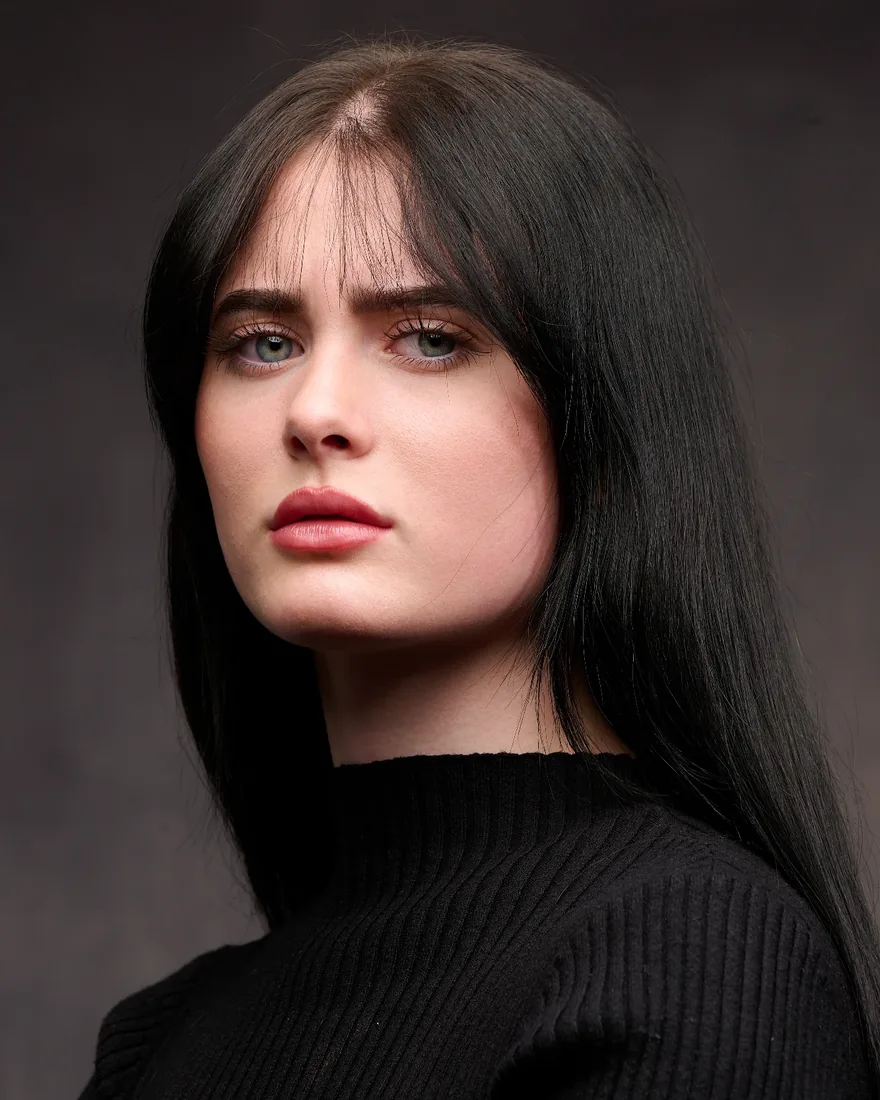
Our tip: ask a friend, colleague or partner to pick their top three from the full set before you look. Research on how we choose profile photos found that other people pick better images of us than we pick ourselves, largely because our own choices are clouded by things a stranger would never notice.
If you can, review your shots on a laptop or tablet as you go rather than on the phone screen. It catches soft focus and awkward expressions before you’ve packed the tripod away — the same reason we shoot tethered in the studio.
Costs, time and whether it pays for itself
DIY costs you time rather than money: an afternoon of setting up, shooting and editing, plus perhaps £20–£40 on a tripod and a small ring light if you don’t already have them. For low-stakes use, that’s a fair trade.
Professional sessions fall into recognisable bands depending on how many looks and retouched images you need. Here’s how the main routes compare:
| Route | Typical cost | What’s included |
|---|---|---|
| DIY at home | £20–£40 of kit, plus your time | Unlimited frames, no professional retouching |
| Virtual live photographer | Varies by provider | Remote-guided session, some editing |
| Studio session at Dock Street | £95–£200 fixed fee | Planning, tethered shoot, retouched images within 48 hours |
| On-location team headshots | £450 half day / £750 full day | Up to 15 or 30 people, editing and retouching included |
For anything with career weight, the sums are simpler than they look. If a sharper, more consistent headshot lifts profile views or replies even modestly, a one-off fee is soon recouped. For teams, one planned session beats chasing five separate reshoots later when someone’s photo doesn’t match the rest of the page.
What the research says about retouching and choosing photos
The evidence on retouching is more nuanced than “more editing is better”. Professionally edited photos tend to be rated higher on trustworthiness and competence than self-edited ones, because a trained retoucher corrects skin tone and temporary blemishes without drifting into anything that looks fake.
Overdone retouching can make a face look less trustworthy, and self-editing is especially prone to it, because we tend to over-correct the things we notice about ourselves.
So heavy smoothing filters rarely do you any favours. A light touch from someone with a trained eye beats aggressive correction every time.
Choosing your own photo compounds the problem. People reliably pick less flattering images of themselves than an outside observer would, a pattern confirmed in research on self versus other photo selection. The fix costs nothing: hand your shortlist to someone else.
DIY headshot kit at three budgets
You don’t need professional gear for a usable DIY headshot, but a few inexpensive bits make a real difference.
Under £30
A phone tripod with an adjustable head and a Bluetooth shutter remote solve the two biggest DIY problems: camera shake and stiff self-timer poses. A large sheet of white foam board doubles as a reflector.
£30–£80
Add a small LED ring light on a stand, placed just behind and slightly above the phone. It gives you consistent light whatever the weather is doing outside, which counts for a lot in a Yorkshire winter. A plain grey or blue fabric backdrop tidies up a busy room.
£80–£200
A two-light softbox kit gives you the kind of even light studios use, and doubles up for video calls. Some people also pick up a second-hand camera with a 50mm lens, which renders skin and background blur noticeably better than most phones.
Beyond that, you’re approaching the cost of a professional session for kit you might use once or twice.
Professional retouching versus editing apps
Professional retouching is usually done in Photoshop and Lightroom by someone trained to even out skin tone, remove temporary blemishes and balance exposure without changing the shape of your face. The judgement matters as much as the software. A good retoucher knows when to stop.
Editing apps such as Facetune, VSCO or Lightroom’s mobile presets are quick and accessible, but they nudge people towards smoothing filters that flatten skin texture. Used lightly, for exposure and colour, they’re fine for low-stakes images. Pushed further, they produce the over-corrected look that research links to lower trust.
If you edit your own shots, adjust exposure and colour balance rather than smoothing skin, and ask someone else to react to the result before you upload it.
Common DIY headshot mistakes and how to avoid them
Most DIY headshots go wrong for the same handful of reasons, and all of them are avoidable.
- Mixed lighting. Daylight from a window plus a warm ceiling bulb creates a colour cast that’s hard to fix. Turn the overheads off.
- Shooting too close. Wide phone lenses exaggerate the nose and round the face. Step back, use the main rear camera rather than the ultra-wide, and crop afterwards.
- Busy backgrounds. Bookshelves and clutter pull attention from your face. A plain wall does the job.
- Choosing your own final image. This is the mistake with the most research behind it. Never be the only judge of your shortlist.
- Under-shooting. Ten frames is a poor sample. The strong frame is often a few shots into a longer sequence.
Why consistency matters for your personal brand
The quality gap between professional and DIY headshots is rarely about obvious technical flaws. Most phones capture sharp, well-exposed images in decent light. The difference is consistency, subtlety and how the image holds up everywhere it appears.
Your personal brand lives on LinkedIn, a company bio, a speaker profile, perhaps a casting page. One polished headshot used everywhere looks intentional. A home photo that looks slightly different on each platform, or clearly doesn’t match the rest of your company’s team page, quietly undermines that, even if no single image looks bad.
It’s also worth separating headshots from branding photos. A headshot answers “what do you look like?”; a branding photo answers “what’s it like to work with you?”. Many clients shoot both in one visit, and our content studio is set up for that kind of varied, in-context work — something that’s far harder to pull off at home.
How to choose a headshot photographer
Start with a photographer’s headshot portfolio rather than their general work. Someone brilliant at weddings or landscapes won’t necessarily know how to light and pose a face that has to work at LinkedIn thumbnail size.
Then ask what’s included: how many retouched images, how many looks or backgrounds, and what usage rights you get. It avoids surprises later.
Ask about turnaround too. If you need an image for an application deadline or a casting submission, a fortnight’s wait isn’t much use however good the work is. A vague answer is a warning sign.
Finally, read what previous clients say — our client reviews give a fair picture of how a session feels from the other side of the camera — and ask about the pre-shoot conversation. A few minutes talking about where the image will be used often makes more difference than an extra hour of shooting.
How a headshot session works at Dock Street Studio
We like to do the thinking before anyone picks up a camera. Before your session we’ll talk through where the images are going and what you might wear, so there’s no scramble once you arrive. If you’re nervous about being photographed — most people are — that conversation helps more than you’d think.
In the studio, near Leeds Dock and a short walk from the train station, we shoot tethered into Capture One. Every frame appears full size on screen as we go, so we can adjust expression and lighting together rather than discovering problems later. It also means you’re not choosing your final image alone: we’ll give you an honest second opinion on your shortlist.
Retouched headshots are delivered within 48 hours, so a Monday session can be on LinkedIn by Wednesday. A shorter session covers one strong look; a longer one gives you more range to choose from.
Our view from behind the camera
Most advice treats professional versus DIY as a straight contest with a clear winner. It doesn’t work like that. The honest answer depends on stakes and exposure, and most people misjudge both.
What gets overlooked is this: the biggest failure in DIY headshots isn’t bad lighting or a cluttered background, though those matter. It’s self-selection. People take a perfectly decent set of photos and then pick the wrong one. Handing your shortlist to someone else takes five minutes, and almost nobody does it.
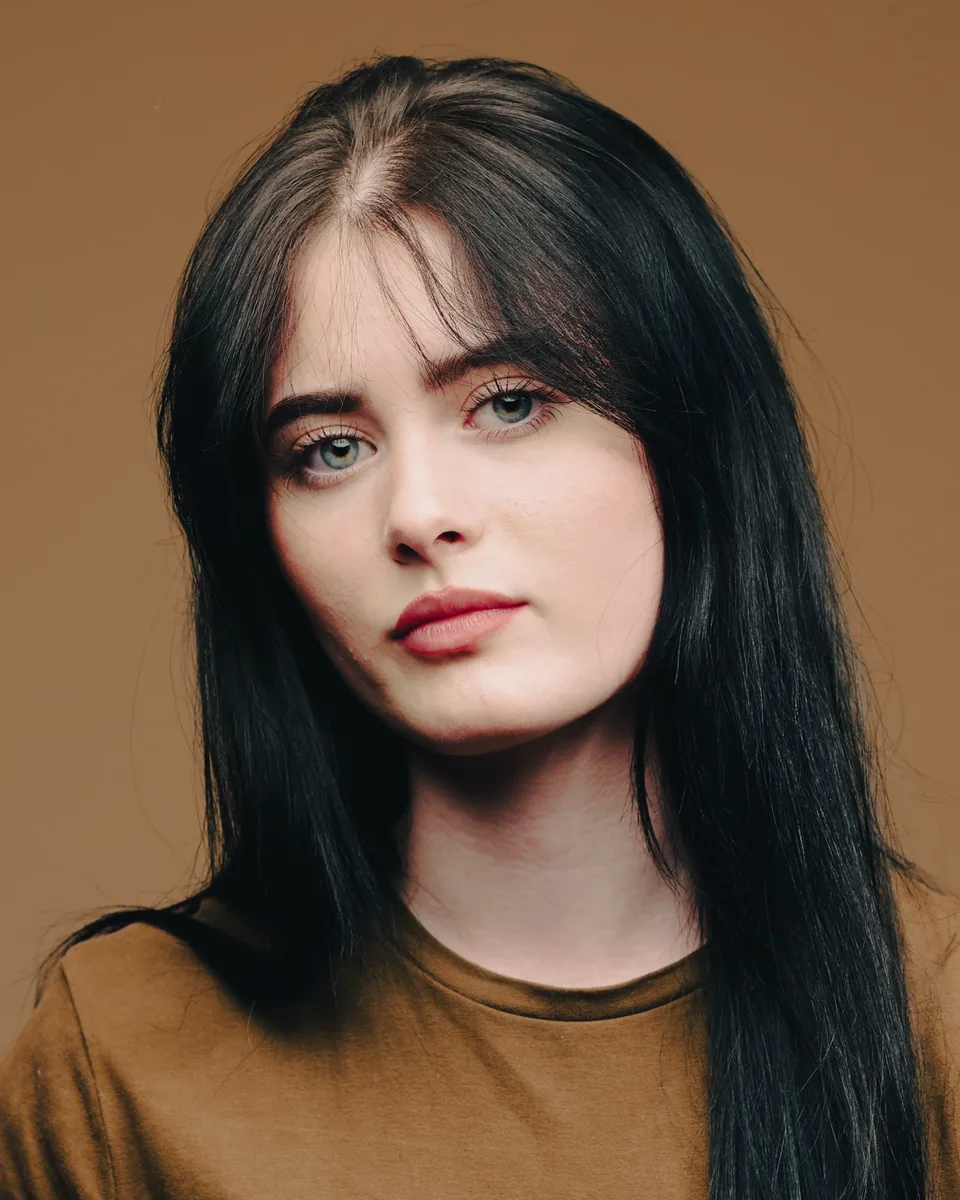
The other point worth making plainly: retouching restraint matters more than retouching skill. A capable retoucher who does too much damages trust just as surely as an untrained one who does too little. What you’re paying for isn’t better software — it’s judgement about when to stop.
So if you’re weighing up the spend, don’t ask whether you could get a technically similar photo at home. For low-stakes use, you probably can. Ask where the image is going, how long it’ll stay there and who’ll be judging it. Those answers tell you whether a professional session is worth it.
Sources
- Retouching headshot photo by myself or professionals while job application? Difference between various retouching approaches on facial impressions perception – ScienceDirect
- Choosing face: The curse of self in profile image selection | Cognitive Research: Principles and Implications
- Tips on taking professional headshots – Adobe
Frequently Asked Questions
Is a professional headshot worth it?
For anything career-facing, usually yes. A professionally lit and retouched headshot tends to be judged as more competent and trustworthy than a selfie, and it will sit on your profiles for years.
Can you take a professional-quality headshot at home?
You can get close with window light, a plain wall, a tripod and plenty of frames. The two things that are hardest to recreate are controlled lighting and an objective eye choosing the final image.
Can AI tools give me a professional headshot?
AI generators can produce something passable quickly, but results depend heavily on the photos you upload and can drift from what you actually look like. That matters when a recruiter or casting director meets you in person.
How much does a professional headshot cost in Leeds?
At Dock Street Studio, headshots start from £95 for LinkedIn Express, with the Quick-Fire Spotlight at £150 and the In-Depth Portrait at £200. On-location team headshots are £450 for a half day (up to 15 people) or £750 for a full day (up to 30), with editing and retouching included.
Where is the studio and how do I book?
We’re at Unit 9, 30–38 Dock Street, Leeds LS10 1JF, near Leeds Dock and a short walk from the train station, with onsite parking. You can book online, email mark@isophotographic.org or call 0113 4400102.
How quickly will I get my headshots?
Retouched headshots are delivered within 48 hours, so a Monday session can be on your LinkedIn profile by Wednesday.
Ready to book a professional headshot in Leeds?
If the stakes point you towards a studio, the simplest route is a fixed-price session where the planning, shooting and retouching are handled for you. Our LinkedIn Express headshot session (£95) suits anyone who needs one strong image quickly. The Quick-Fire Spotlight (£150) adds a bit more variety, and the In-Depth Portrait (£200) gives you several looks for a full personal brand set. Every session is shot tethered, with retouched files within 48 hours.
Book online, email mark@isophotographic.org or call 0113 4400102. The kettle’s usually on.
Related reading
- Actor Headshots Leeds
- LinkedIn Headshots Leeds | Professional & Team Photography | From £95
- How Much Do Headshots Cost in Leeds? [2026 Prices]
- Professional Headshot Session Guide | Leeds Studio
Written by Mark Wheelwright
Commercial photographer & studio owner, Leeds | ISO Photographic Ltd
Dock Street Studio, Unit 9, 30–38 Dock Street, Leeds LS10 1JF
18+ years’ experience | 900+ projects | 300+ five-star reviews | 1M+ shutter count
dockstreetstudioleeds.co.uk
Shot, written and built by the Dock Street team
Every guide on this blog comes from the team at Dock Street Studio — Mark behind the camera with 18+ years' experience, Nicole on styling and lighting, Beya on video and bookings and Austin keeping the site fast and findable. If you'd rather have us do it than read about it, book a session or explore our photography services in Leeds.