


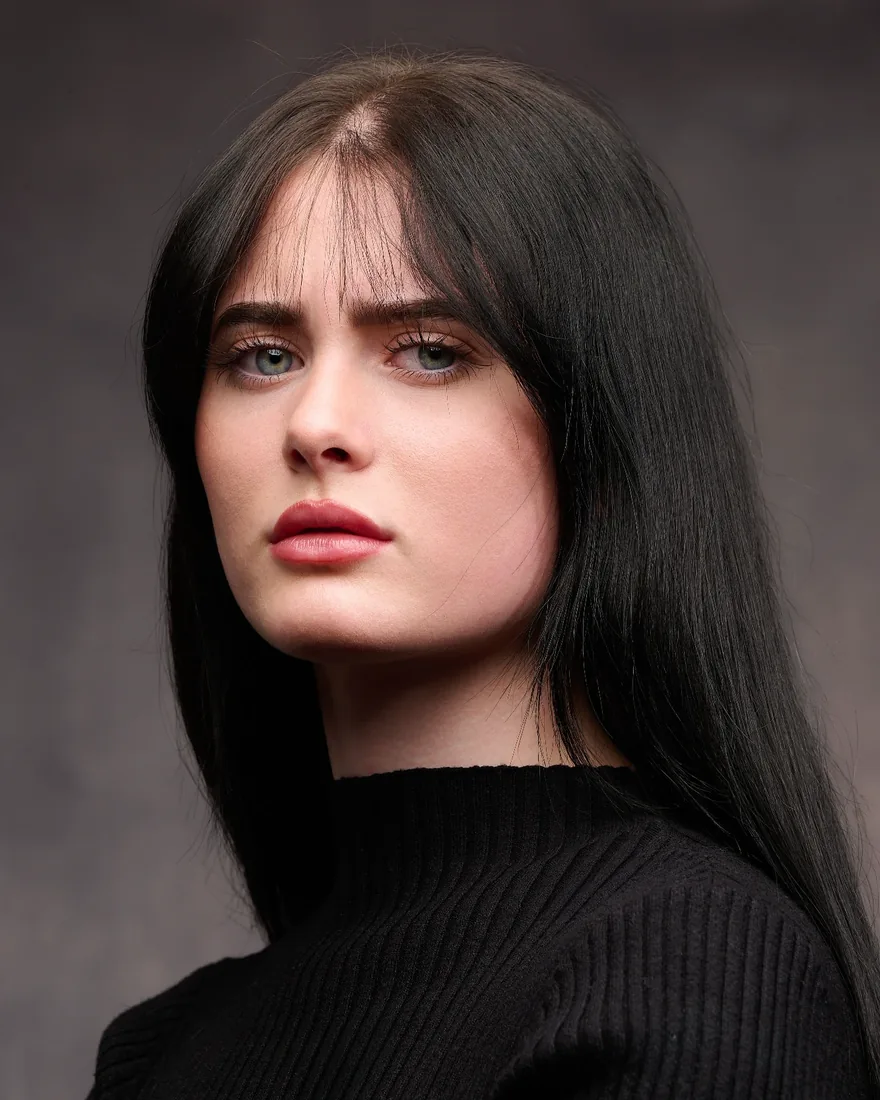
A headshot background has one job: keep the attention on you. That sounds obvious, and yet choosing between grey, white, black, colour or an outdoor setting is where a lot of actors start overthinking the whole shoot. The best actor headshot backgrounds are almost always the ones that feel deliberate, flatter you, and then get out of the way.
Casting professionals read your face fast, usually on a small screen, usually alongside dozens of other submissions. They're looking for presence, type, warmth, edge or authority — not a clever wall treatment. So we keep it simple: pick a background that supports the roles you're right for, then light it properly so it looks natural rather than over-produced.
What makes a background work
A good background gives enough separation from your hair, clothing and skin tone without adding visual noise, and it suits the mood of the picture. A clean pale grey feels open and approachable. A deeper charcoal brings focus and a bit more weight. Neither is automatically better — it depends on the performer, the brief, and the work you're chasing.
Consistency is the thing to protect. Your headshot needs to look like you on a good, well-rested day. If the background is stylised enough to make the image feel like a fashion campaign, it's pulling away from that job.
Think about where the shot will be seen, too. Casting platforms, agents' sites and self-tape profiles all compress and resize. Fine texture, busy detail and colours sitting close together go muddy quickly. A straightforward studio backdrop holds up better than people expect.
Mid-grey: the reliable all-rounder
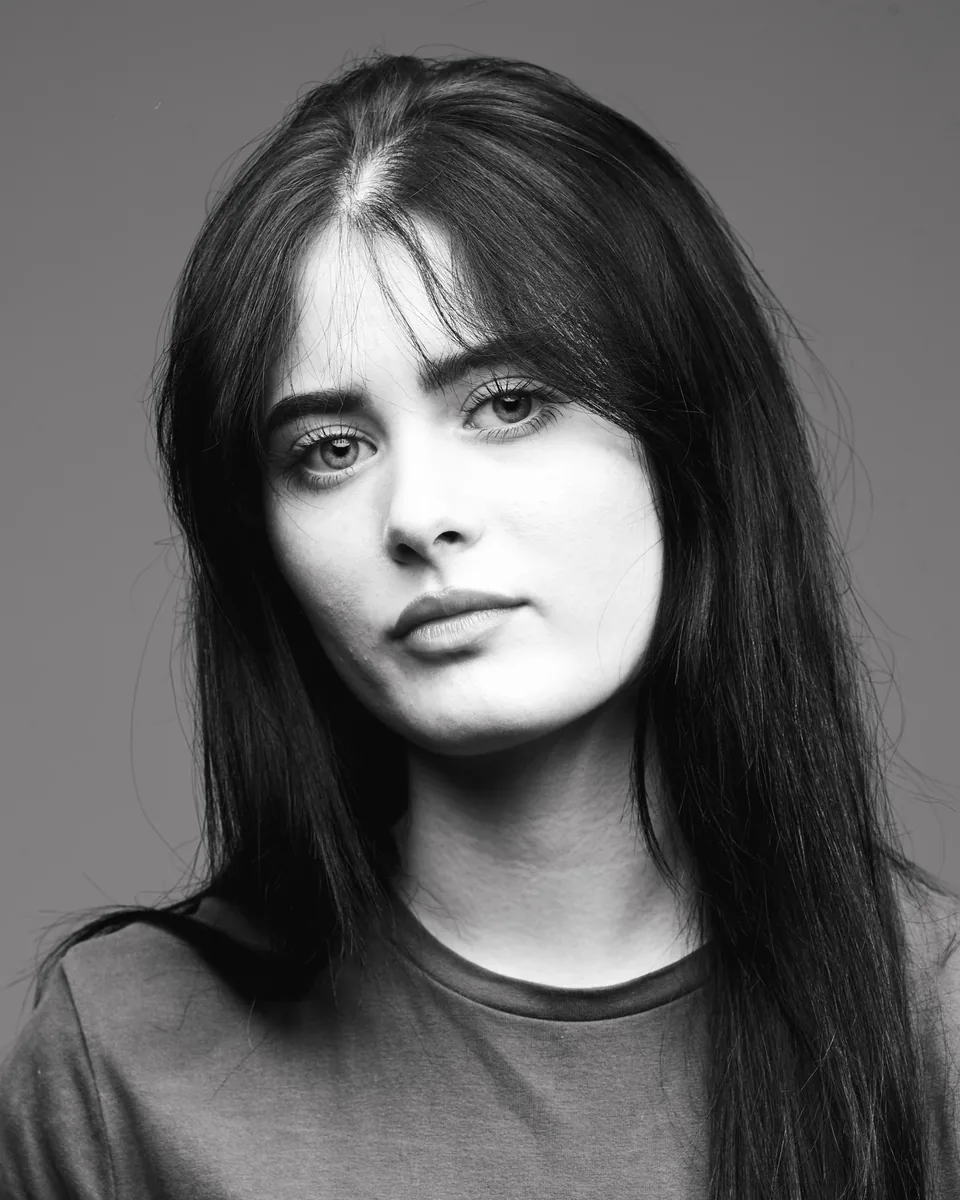
Mid-grey is popular for good reason. Neutral without being stark, works across a wide range of complexions, gives the face clear definition. It looks current without looking styled.
It's particularly useful if you need one versatile main image for your agent, your Spotlight profile and general submissions. Small changes in lighting take it lighter, moodier or more textured without it reading as a different set — so we get options in one session without losing cohesion.
Grey isn't a shortcut, mind. The shade matters. Too close to your hair or your jacket and the picture goes flat. The lighting has to build separation around the shoulders and keep your eyes as the point of the frame.
Pale grey and off-white: fresh and open
Lighter backgrounds suit performers whose range takes in commercial, presenter, lifestyle or approachable professional work. They feel clean and sit easily in a casting directory.
The trade-off is control. Pure white loses shape if the light goes flat, especially with a light top, and it can read a bit clinical on the wrong person. We usually aim for something that reads as light without blowing every scrap of detail out of the frame.
Off-white is often kinder than brilliant white. It keeps a little warmth and separation, so the photograph doesn't feel like an ID card.
Charcoal and black: focused and direct
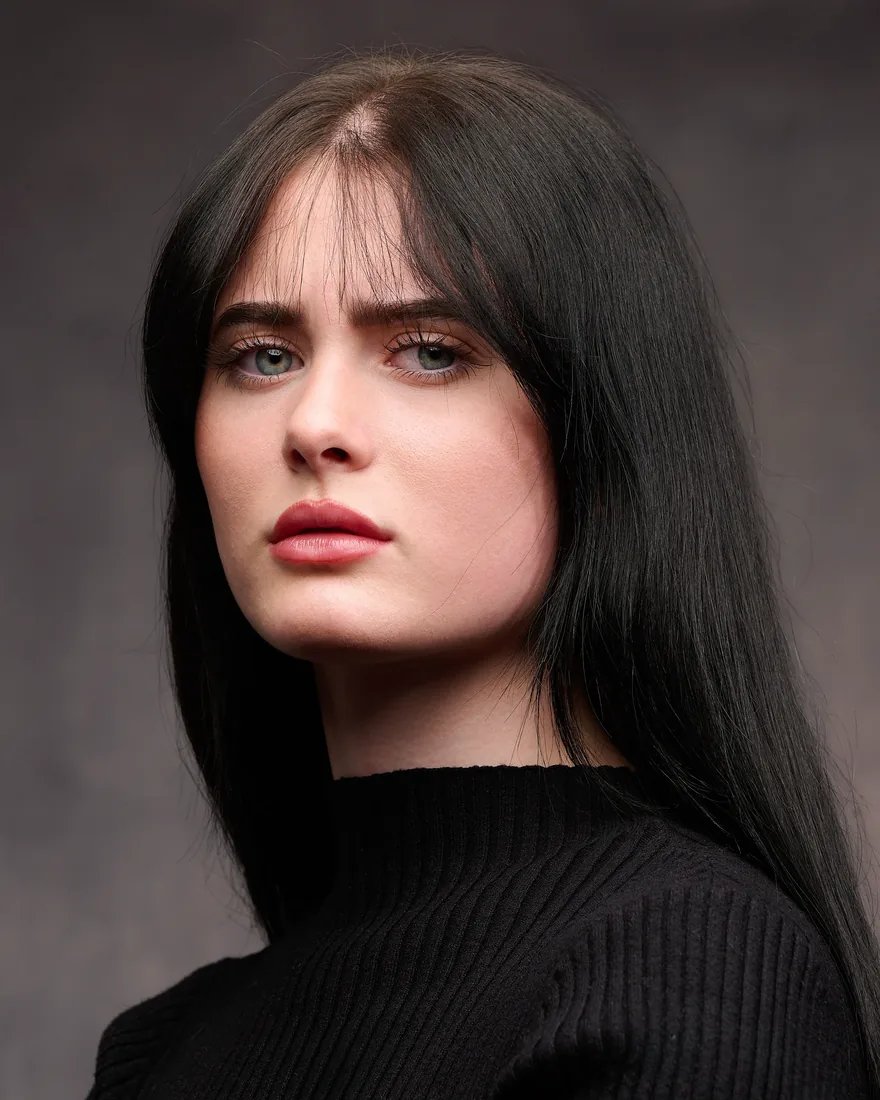
A dark background gives a headshot real presence. It suits performers with a more dramatic range, or anyone whose energy works in a contained, direct portrait. Used well it makes the eyes carry everything.
There's a balance. Very dark backgrounds tip into theatrical fast if you pair them with hard light, heavy retouching and a serious expression. They'll also swallow dark hair and dark clothing unless the light is shaped carefully. The answer isn't to avoid black — it's to use it on purpose.
We often find charcoal more flexible than absolute black. You get the depth, and you keep a little detail around the outline of the head and shoulders.
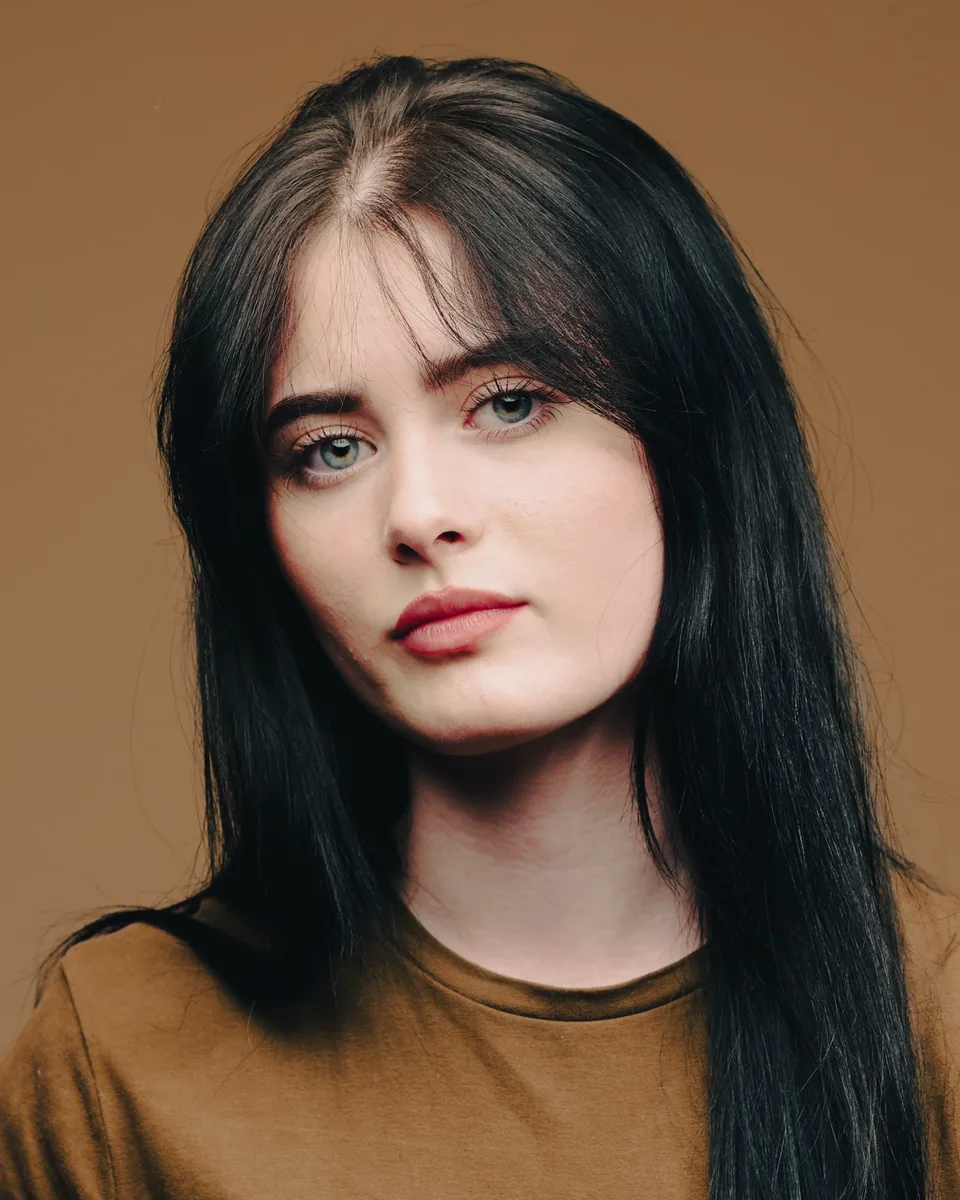
Muted colour: useful, if you're selective
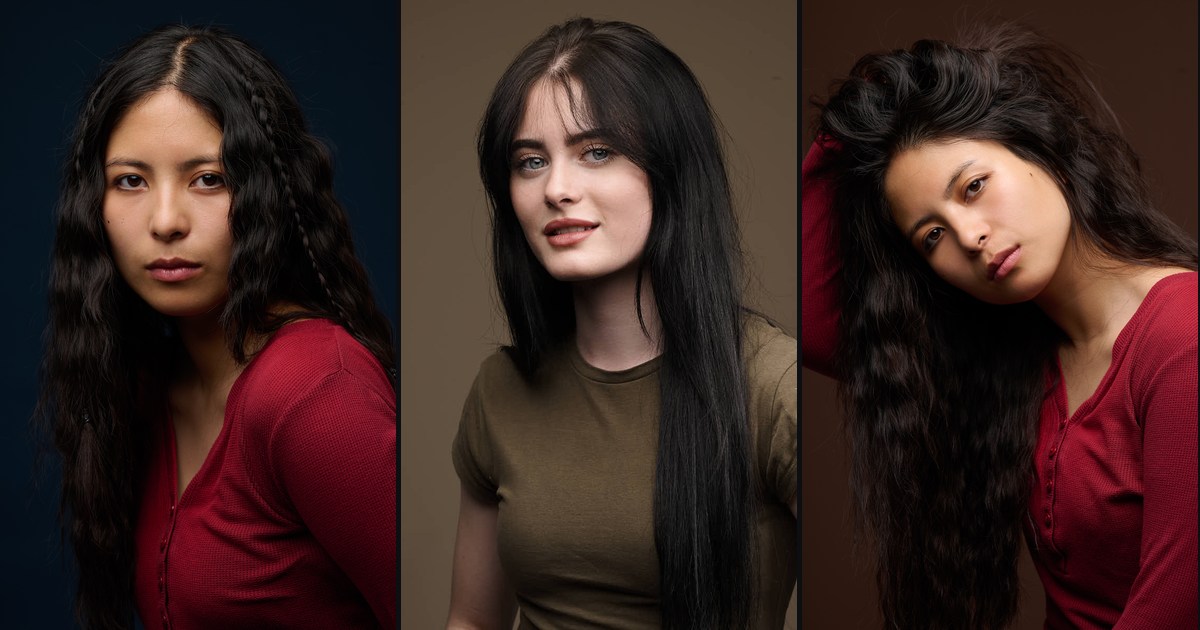
A soft blue, an olive, a warm beige can give a headshot a recognisable feel. That's handy for actors with a clear personal brand, or when a brief asks for something less conventional. A quiet colour can also flatter your skin tone in a way a cool grey won't.
The risk is dating the picture. Trends move, and a bright backdrop becomes the first thing anyone notices. If you go for colour, keep it understated — atmosphere rather than decoration.
Look at your existing portfolio as well. If everything you have is neutral, one controlled colour adds range. If your agent has asked for a clean, broadly usable image, lead with the neutral and treat colour as the extra.
The backgrounds that cause trouble
Location portraits can be lovely, particularly if you want something more editorial. Brickwork, greenery, cafés, Leeds streets — they all bring character. For a standard actor headshot they also bring uneven light, distracting shapes, and a setting that suggests a role before anyone has looked at your face.
That doesn't make outdoor headshots wrong. They can be exactly right for musicians, presenters and performers with a screen-natural style, or for a specific social need. They're just less flexible as the one image that has to work everywhere. We've written more on that choice in studio headshots or outdoors.
Patterned wallpaper, visible studio kit and heavily textured backdrops usually ask too much of the viewer. Same with fake digital backgrounds — they give themselves away around hair and shoulders, and you lose the natural interaction between light, subject and backdrop that makes a portrait convincing.
Match the background to your casting, not a stereotype
Actors often arrive certain that dark means drama and white means comedy. Real casting isn't that tidy. A warm, funny performer can look excellent against charcoal. Someone known for intense work may need a lighter, more open image to show range.
We start with practical questions instead. What have you been getting seen for? Are you refreshing an agent-approved look or changing direction? Do you need one dependable image, or a small set showing different sides? Clothing feeds into it — navy against mid-grey can be beautiful, black against black needs a different lighting approach entirely. Our notes on what to wear for headshots are worth a read before you pack.
The background should also feel comfortable. If a stark, high-contrast setup makes you self-conscious, it will show in your expression — and no backdrop rescues that.
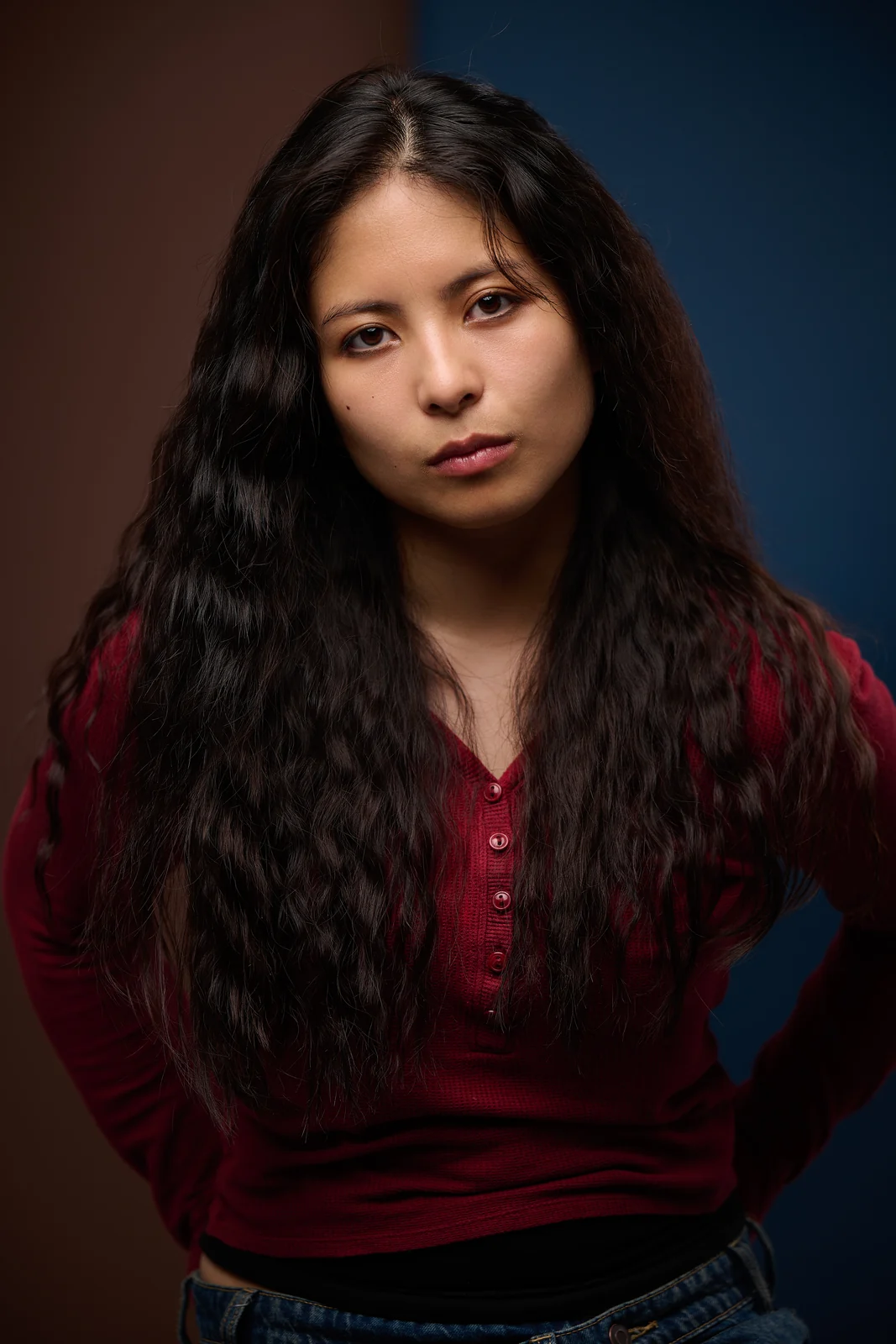
Lighting is doing more work than the backdrop
People describe a headshot by its background colour, but the light is doing most of the job. It shapes the face, controls contrast, separates you from the backdrop and sets the emotional temperature.
One grey paper roll looks soft and approachable under broad, gentle light, and considerably more defined under a tighter, directional setup. Which is why it's worth working with someone who can show you the difference, rather than asking you to pick a colour off a list before you've stood in front of a camera.
We adjust as we go, looking at the images on screen, checking how your clothing and hair are reading, changing small things where they improve the result. It's a practical process, not a test you have to pass — and you don't need to arrive knowing how to pose. That's our job.
A sensible plan for your next session
For most actors: start neutral and get the core image genuinely right. Mid-grey or pale grey covers a lot of ground. If there's time, add a darker or subtly coloured variation that brings out another side of your casting.
Bring a small choice of plain tops in colours that suit you rather than several outfits with logos and slogans. A change of clothing usually does more than a change of backdrop. Keep your agent's guidance in mind, but don't let a rigid rule override what actually looks good on camera.
The aim isn't a background with personality. It's a headshot that leaves casting wanting to meet you. When the backdrop is doing its job properly, they'll barely remember it.
Frequently Asked Questions
What colour background is best for actor headshots?
Mid-grey suits the most people and the most uses. It's neutral, flattering across skin tones, and light changes can shift it lighter or moodier without looking like a different set.
Should I get more than one background in a session?
If time allows, yes. One neutral image as your main headshot, plus a darker or muted-colour variation for range. Lead with the neutral in your profile.
Are white backgrounds bad for headshots?
Not bad, just less forgiving. Pure white flattens shape if the light isn't controlled, particularly with light clothing. Off-white keeps a bit of warmth and usually looks less clinical.
Can I have my headshots taken outdoors?
You can, and for some performers it's the right call. It's less flexible as a single all-purpose image, because the setting starts suggesting a role before casting has looked at your face.
What should I wear against a grey backdrop?
Plain tops in colours that suit you, avoiding anything that matches the backdrop closely. Navy, deep green and warm neutrals all separate well from mid-grey. Bring two or three options.
Where is the studio and how do I book?
Dock Street Studio is at Unit 9, 30–38 Dock Street, Leeds LS10 1JF, in central Leeds near Leeds Dock and a short walk from Leeds train station, with parking onsite. Book online, email hello@dockstreetstudioleeds.co.uk, or call 0113 4400102.
Book your actor headshots in Leeds
Bring your casting brief, a couple of tops you feel good in, and we'll work out the background together in the room. See our actor headshots in Leeds service, then book online, email hello@dockstreetstudioleeds.co.uk, or call 0113 4400102.
Written by Mark Wheelwright
Commercial photographer & studio owner, Leeds | ISO Photographic Ltd
Dock Street Studio, Unit 9, 30–38 Dock Street, Leeds LS10 1JF
18 years in business | 900+ projects | 300+ five-star reviews | 1M+ shutter count
dockstreetstudioleeds.co.uk
Shot, written and built by the Dock Street team
Every guide on this blog comes from the team at Dock Street Studio — Mark behind the camera with 18+ years' experience, Nicole on styling and lighting, Beya on video and bookings and Austin keeping the site fast and findable. If you'd rather have us do it than read about it, book a session or explore our photography services in Leeds.