


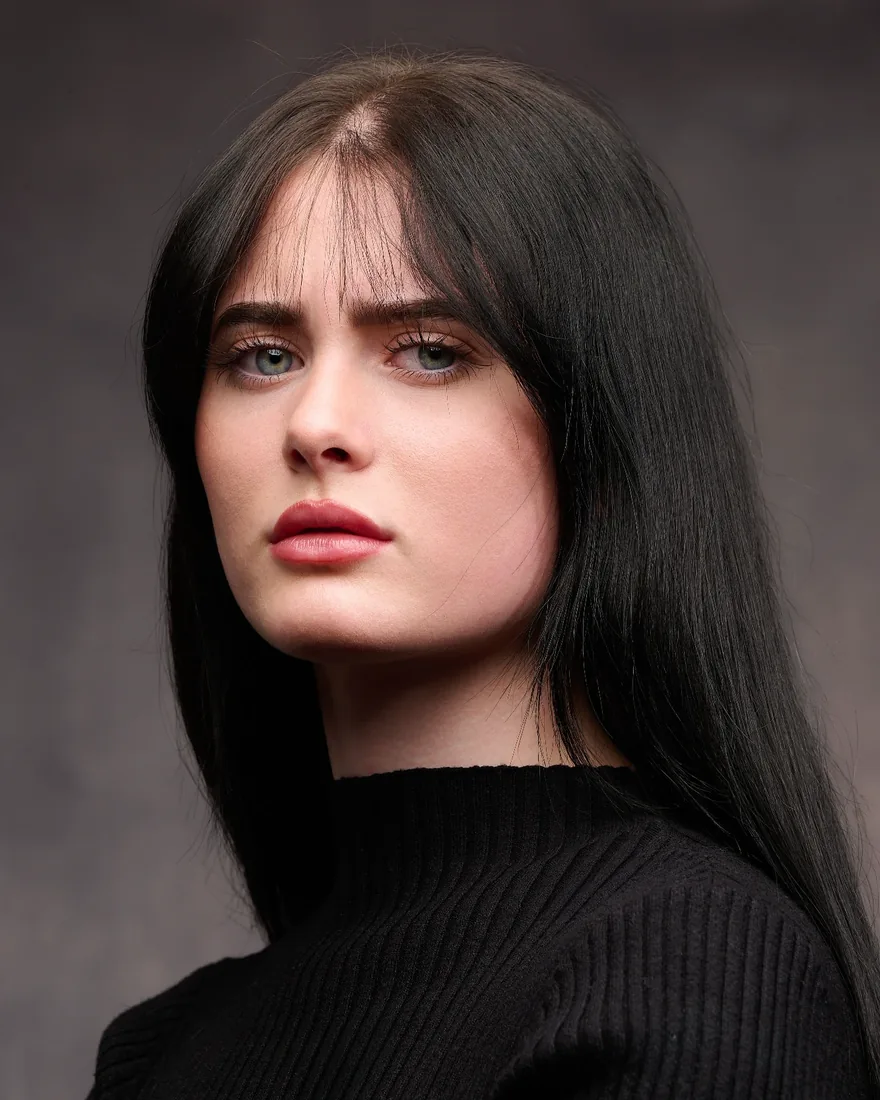
Start every session with the same default: a three-quarter turn, chin forward and slightly down, shoulders dropped, and a small lean into the lens. That one combination fixes most of what goes wrong in a headshot before you’ve thought about expression at all. Everything else in this guide is a variation on it, adjusted for the roles you’re chasing.
You don’t need dozens of actor headshot poses. You need a handful that photograph well and that you can name to your photographer without fumbling. Casting directors look at a headshot for a few seconds before deciding whether you’re the right type, so clarity beats variety every time.
Eight poses worth asking for by name
1. Classic head and shoulders
Square to the camera, neutral expression, minimal styling. It’s the control shot every actor needs and the one most agents ask for first.
2. Three-quarter angle
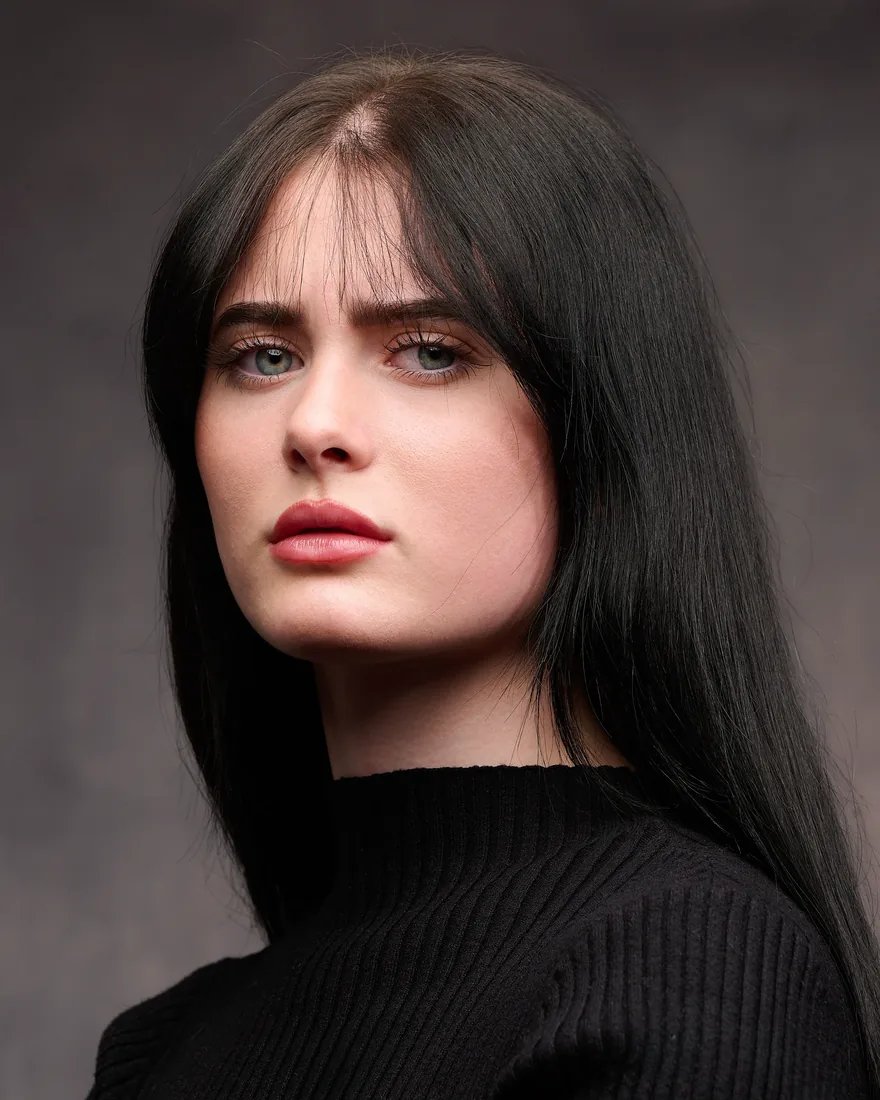
The default flattering pose: body turned 30–45 degrees off the camera, face angled back toward the lens. Ask for this by name.
3. Power pose
Shoulders slightly back, chin level, a firmer gaze. Useful for authority roles, corporate-adjacent castings, or anything with a leadership edge.
4. Candid or micro-expression
Eyes just off-axis, caught mid-thought rather than posed. Reads as natural and works well for indie film or streaming drama submissions.
5. Mid-laugh or smirk
A real laugh caught on the way down, or a controlled half-smile. Both beat a held grin, which tends to look staged in stills.
6. Hands in pockets or low crossed arms
A relaxed, grounded stance for lifestyle and commercial work. Keep the arms low and loose, never chest-high and rigid.
7. Hand to face
One hand near the jaw or chin, used sparingly, for a reflective or dramatic character look.
8. Seated or environmental
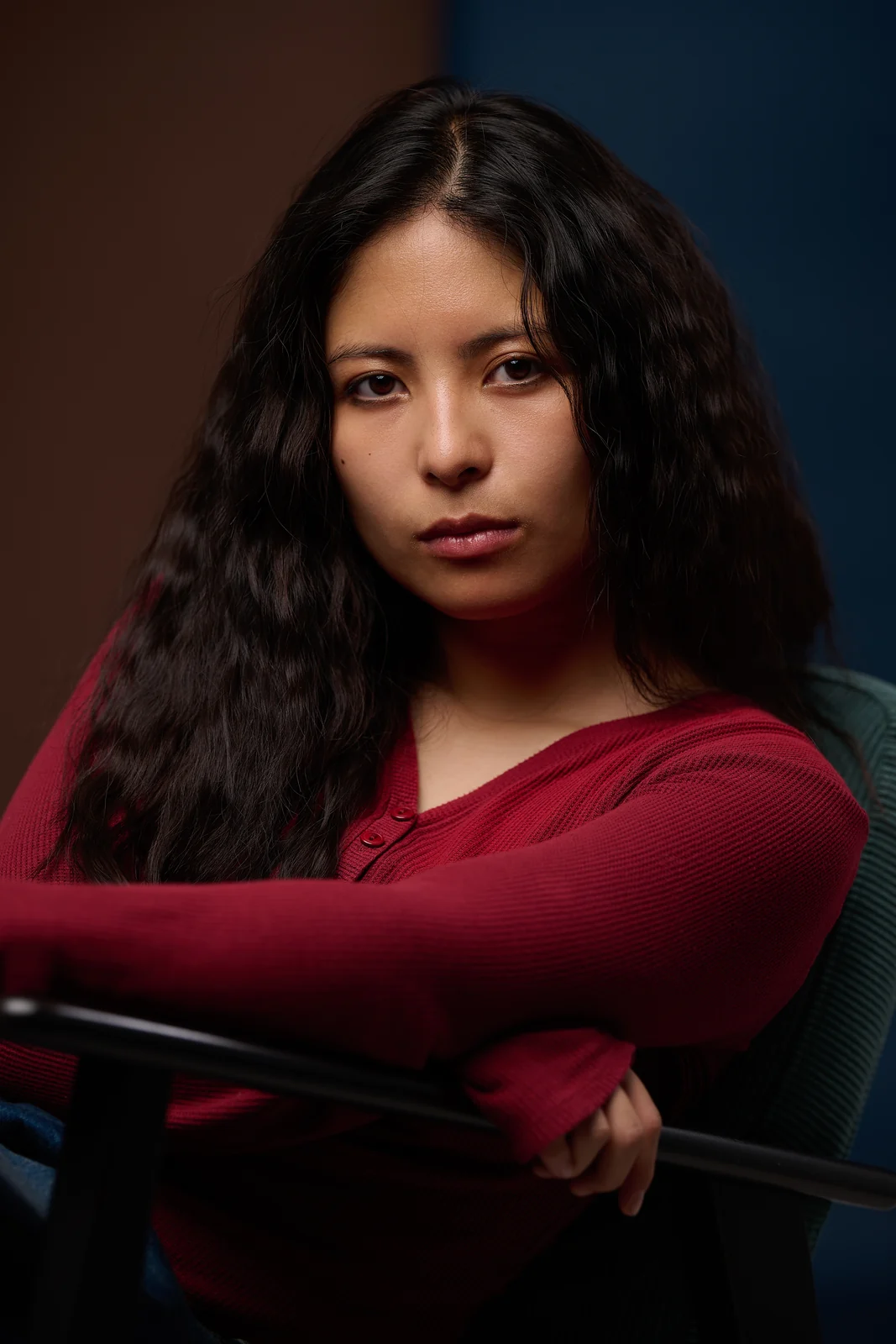
A stool, a chair back, a doorway. Editorial framing like this suits actors building a character portfolio beyond the standard three looks.
Ask for three or four of these per look rather than one pose held for fifty frames. Small variation between shots gives you options at the edit, and it stops your face going stiff from repetition.
The five mechanics that fix most poses
Almost every awkward headshot traces back to the same handful of technical errors, and correcting them matters more than which pose you choose.
- Chin: forward, then slightly down. The adjustment actors resist most and need most. It lengthens the jawline and removes the shadow that reads as a double chin, even on faces that don’t have one.
- Body: 30–45 degrees off camera. Squaring up flattens the face and widens the shoulders. A three-quarter turn gives the frame depth without looking like a trick.
- Shoulders: drop them. Tension collects there faster than anywhere else. Roll them back and down, then exhale.
- Lean: a couple of inches forward. Reads as engagement without touching your expression. The easiest way to look present rather than posed.
- Eyes: decide on purpose. Direct contact with the lens suits commercial work. A deliberate off-camera gaze suits theatrical looks. Pick one rather than drifting between the two.
Matching the pose to the role
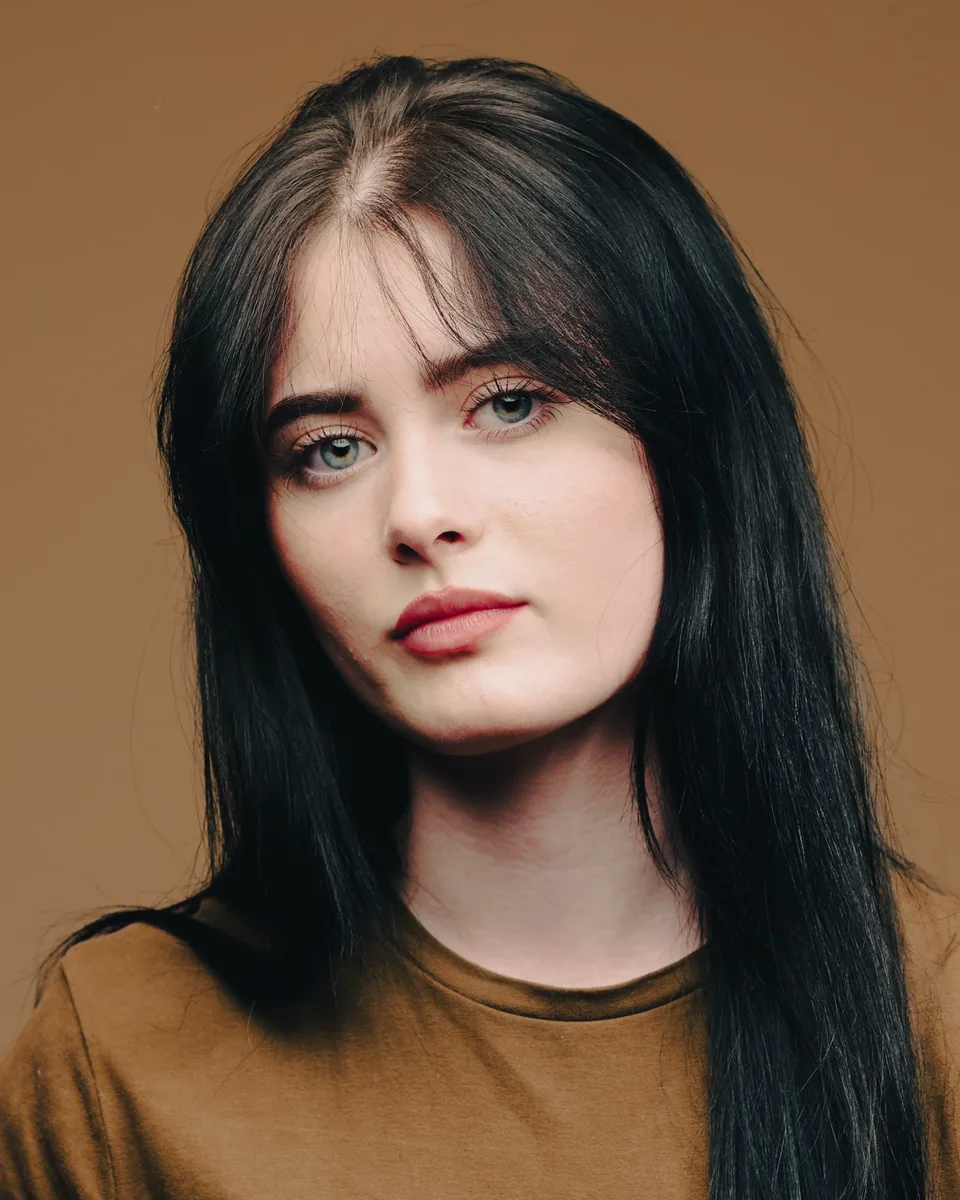
Commercial headshots favour warmth: an open smile, a three-quarter angle, eyes meeting the lens. It should look like you genuinely like being there.
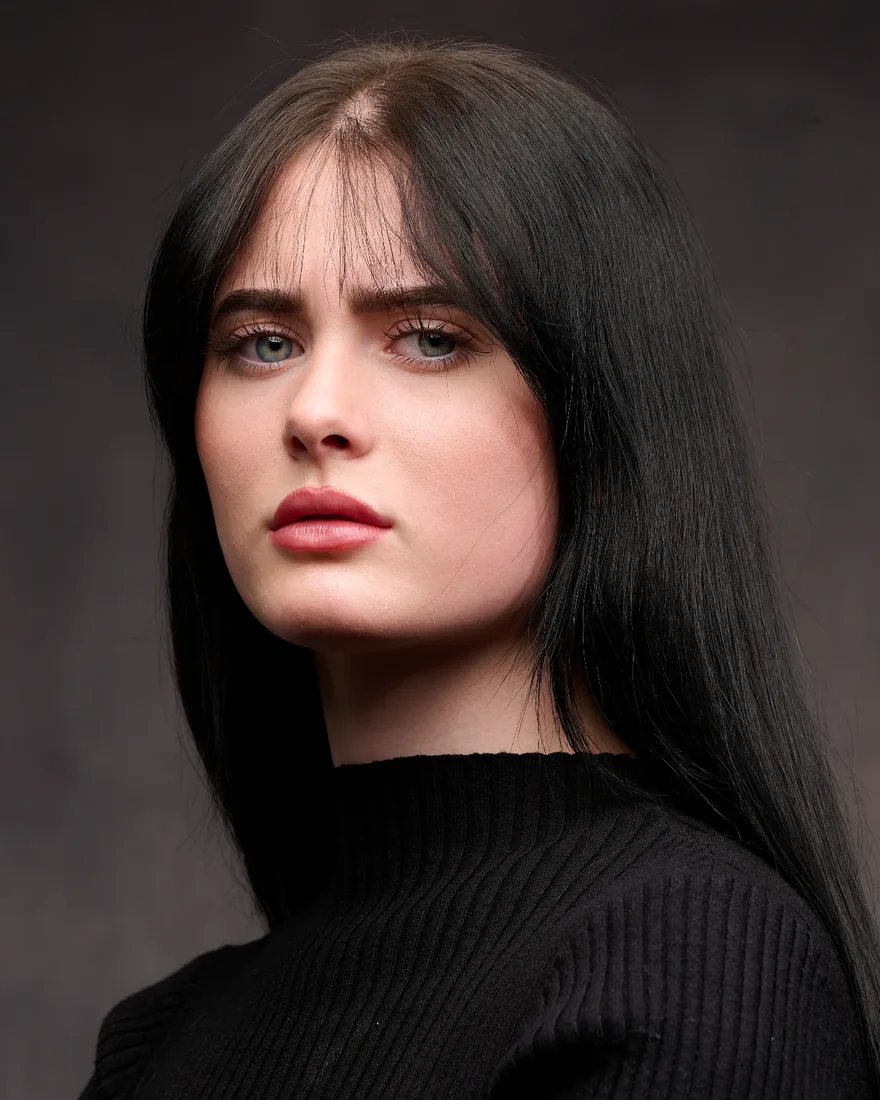
Theatrical and dramatic work calls for something quieter. A neutral expression, a slight narrowing of the eyes without tension elsewhere in the face, and a body angle pushed a touch further off axis. Moodier framing with more negative space often suits this category too.
Comedy sits between the two: a smirk or half-smile with a small, playful gesture communicates timing without tipping into a full grin. Across nearly every category, a believable expression beats a held one, so resist holding anything too long.
Genre casting rewards small variations on top of that. Procedural drama tends to want a slightly closed body angle and a level gaze. Sitcom and ensemble comedy want open body language and more energy in the eyes. Period drama suits an upright, composed posture with minimal gesture. Whatever you’re building toward, keep one look anchored to the classic three-quarter default. Casting directors need to recognise you quickly, and a portfolio that drifts too far from your natural look in every frame makes that harder.
Hands, cropping and your face shape
Hands cause more headshot problems than any other body part, mostly because actors don’t know what to do with them. The lower-risk option is leaving them out of frame unless they’re doing something deliberate. If they’re in, commit to one gesture. Crop tight at the mid-chest for standard submissions; casting platforms shrink your image to a small square, so anything fussy near the edges disappears.
No single pose flatters every face, which is why the three-quarter angle is a starting point rather than a rule. Rounder faces generally benefit from a steeper turn, closer to 45 degrees. Squarer faces often look better nearer 30, since a sharper turn can exaggerate width across the cheekbones. Deep-set eyes photograph better with a marginally raised chin and softer light. Asymmetry is normal, and every face has a side that photographs differently, so ask your photographer to shoot both rather than trusting your “good side” from the mirror.
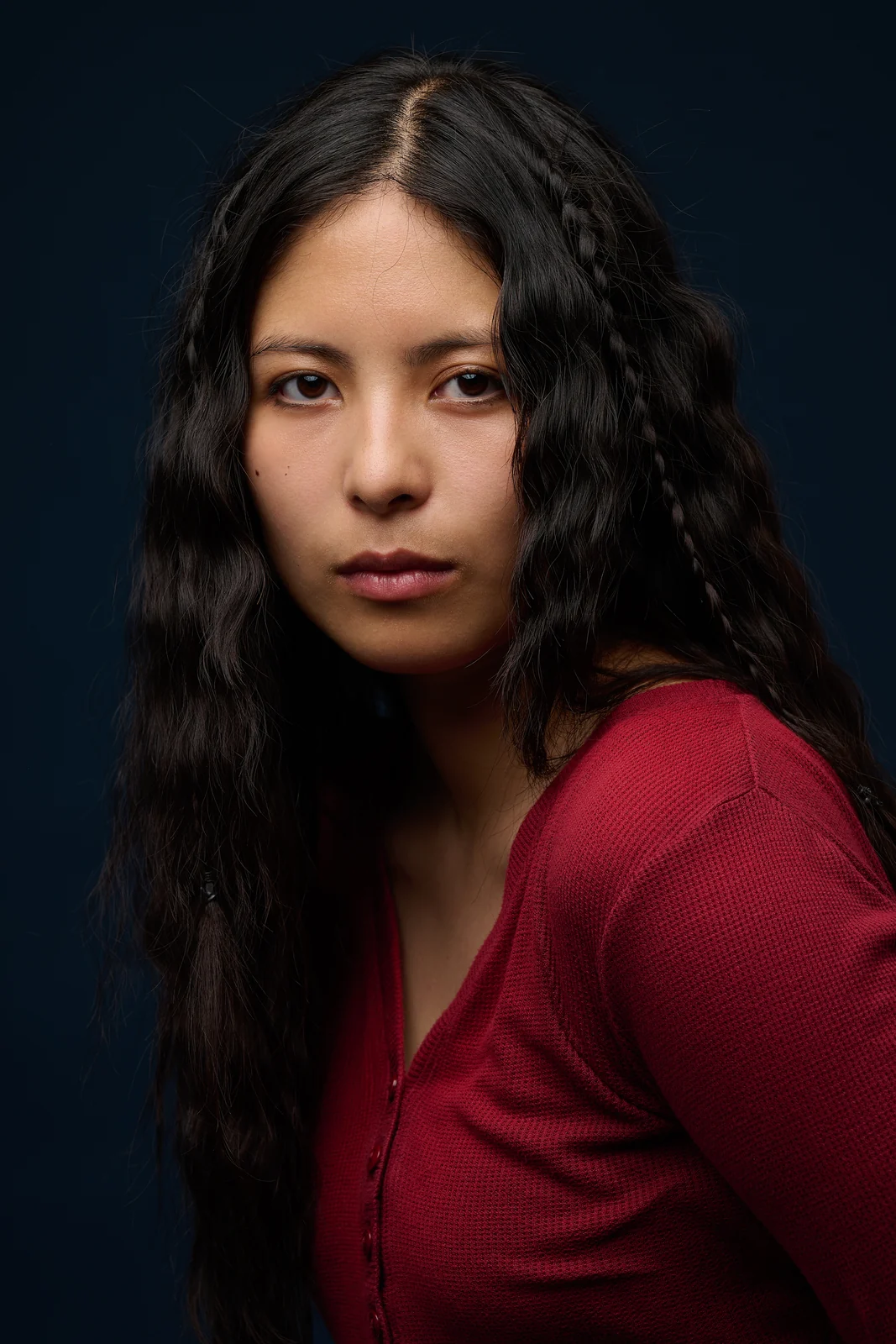
Why lighting changes which pose works
The pose you rehearse in the mirror won’t behave the same way under studio light. Soft, even lighting forgives a wide range of angles and is the safe choice if you’re only booking one setup. Harder, more directional light carves out jawlines and cheekbones, but it punishes a poorly chosen angle fast, deepening the shadow under the chin if you skip the forward-and-down adjustment.
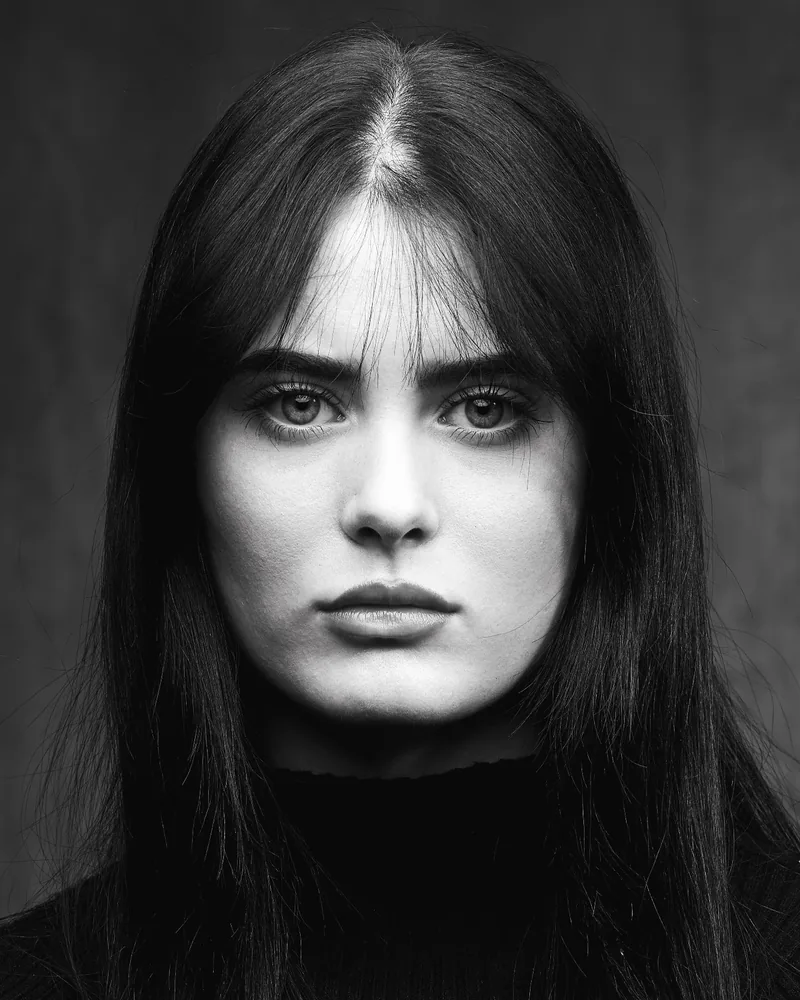
Catchlights, the small points of light in the eyes, matter more than most actors realise. An off-camera gaze pushed too far can lose them entirely, leaving the eyes flat. If you’re doing a candid look, ask your photographer to check the catchlight is still there before moving on. Because we shoot tethered, you’ll see this on the big screen as we go.
Staying relaxed on the day
Tension is the enemy of every pose on this list, and it shows up first in the shoulders and jaw. Actors who try to hold a pose usually look more posed than actors who keep moving between small adjustments. Shake out your hands and roll your shoulders between setups. Talk to us between frames rather than freezing in silence; conversation softens the face better than any instruction to “relax” ever does. If a smile feels forced, laugh at something real and let the expression fall on the way down. That falling moment is usually the strongest frame in the sequence.
Think of the camera as a scene partner, not a machine judging your face. Bring a real circumstance into your head (a memory, a line, a person) and let it move through you. A flicker of real thought reads on camera in a way no held expression ever will. And don’t feel you need to arrive knowing how to pose. That’s our job.
How many looks to book and what to bring
Most actors get the best return from two or three distinct looks: commercial, theatrical, and optionally a character-specific look. Wardrobe is simpler than most expect: solid, muted colours, simple necklines, and three to five tops so we can pick what reads best under the lights. Our guide to what to wear for headshots goes into detail.
Get a haircut seven to ten days before, not the day before. Keep skincare steady rather than trying anything new. Protect your sleep for the last three nights. And send us a shortlist of reference roles before the session. When actors send specific roles rather than vague moods, direction turns into acting rather than guesswork. If it’s been a while since your last set, our post on why your headshot should look like you is worth a read too.
Frequently Asked Questions
What makes a good actor headshot?
It shows your face clearly on a good day, uses a three-quarter angle with the chin forward and down, and communicates a specific type within a couple of seconds.
Should you smile in actor headshots?
Only when it suits the look. Commercial headshots generally favour a warm, open smile; theatrical looks favour a neutral expression or a controlled half-smile.
What colours should I avoid?
Pure white, which can blow out under studio lighting, and bright reds or busy patterns, which pull focus from the face.
How many poses should I try in one session?
Three or four variations per look, rather than one pose held for dozens of frames, gives your photographer more real expressions to choose from at the edit.
How much do actor headshots cost in Leeds?
Actor sessions at Dock Street Studio are £150 for 40 minutes, covering two to three looks with five retouched images, or £200 for 60 minutes, covering five looks with ten retouched. Choose the £200 session if you want genuinely distinct commercial, theatrical and character looks rather than variations on one.
How long until I get the images?
Retouched selections are usually with you within 48 hours, so you’re not waiting weeks to update your casting profiles.
Where is the studio and how do I book?
Dock Street Studio, Unit 9, 30–38 Dock Street, Leeds LS10 1JF, a short walk from Leeds train station with onsite parking and step-free access. Book online, email hello@dockstreetstudioleeds.co.uk, or call 0113 4400102.
Book your actor headshots in Leeds
Reading a list of poses only gets you so far. What changes the outcome is a photographer who can turn “three-quarter with a squinch” into direction you can follow in real time. Our actor headshot sessions in Leeds are built around exactly that, and if you need business or LinkedIn portraits as well, that sits on our headshot photography page. Book online, get in touch, email hello@dockstreetstudioleeds.co.uk, or call 0113 4400102, and send your reference roles ahead of the day. You can also read what other clients say.
About the author
Mark Wheelwright
Commercial photographer & studio owner | ISO Photographic Ltd, Leeds
Dock Street Studio, Unit 9, 30–38 Dock Street, Leeds LS10 1JF
Mark has 18+ years’ experience photographing brands and businesses across Leeds and West Yorkshire, with 900+ projects delivered. He runs Dock Street Studio, working with clients including Clear Channel, Habitat, Kirkstall Brewery and Paystrax.
900+ projects | 300+ five-star reviews | 1M+ shutter count
dockstreetstudioleeds.co.uk
Shot, written and built by the Dock Street team
Every guide on this blog comes from the team at Dock Street Studio — Mark behind the camera with 18+ years' experience, Nicole on styling and lighting, Beya on video and bookings and Austin keeping the site fast and findable. If you'd rather have us do it than read about it, book a session or explore our photography services in Leeds.