


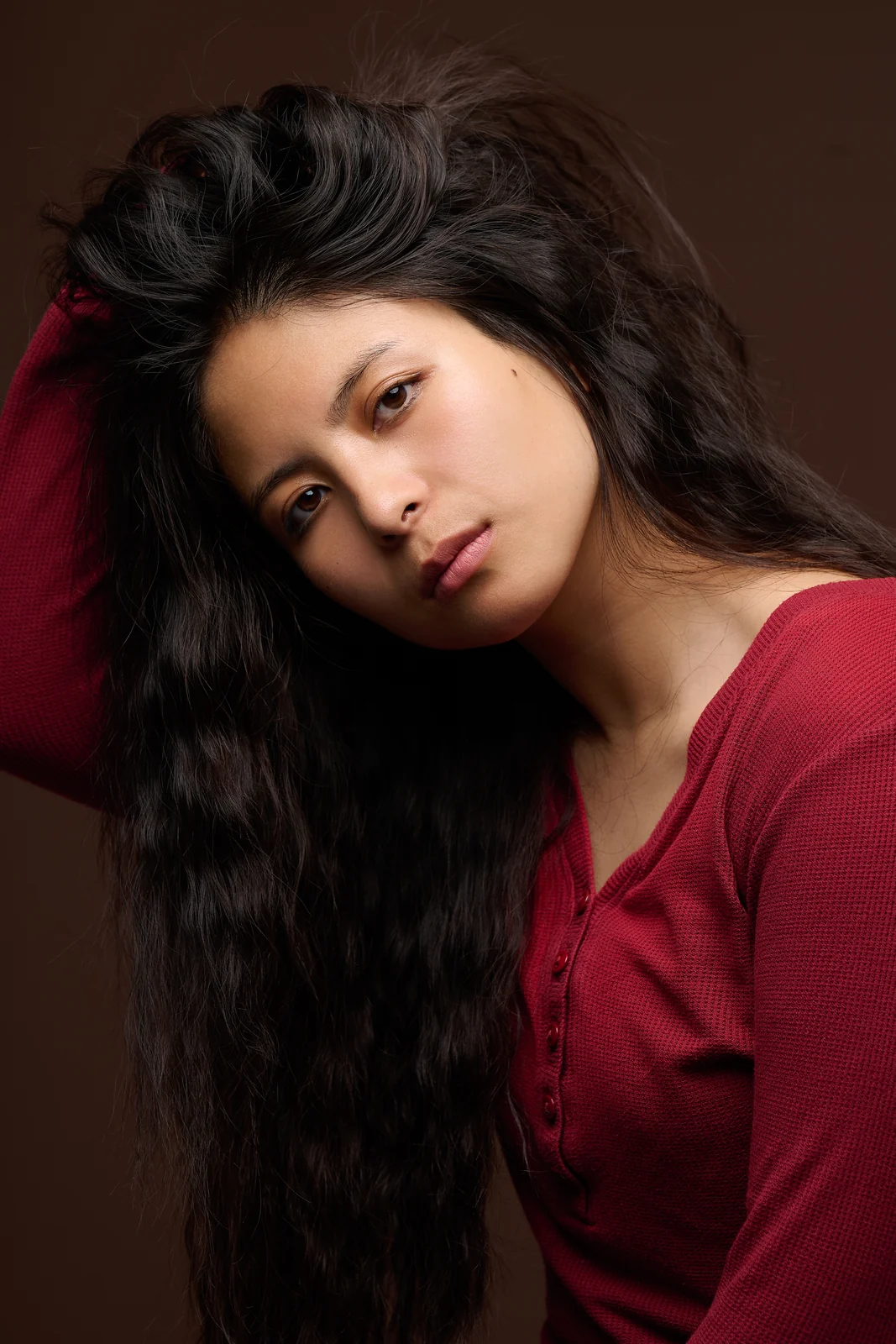
How often should an actor update their headshots? Roughly every 12 to 18 months — and immediately after any change that would surprise someone meeting you for the first time. New hair, a different weight, glasses, a beard gone or grown, or simply two years of ordinary living. If the person on the page isn't the person who walks through the door, the shot has stopped working, however beautiful it is.
I've been on both sides of that gap, so let me explain why it matters more than most of us want to admit.
The room you never get to enter
Picture what a casting director actually sees. Not your headshot, framed and lit and lovely. A webpage. Hundreds of rows of thumbnails, each one shrunk down and clumped in beside everybody else's. That's the reality of self-service casting platforms now that so much of the process has been digitised — a grid, a scroll, a snap judgement.
Your image is doing all the talking before anyone hears your voice or opens your reel. So of course you want to stand out. But standing out is only half of it. The other half is being accurate. An old headshot can win you the meeting and lose you the room in the same afternoon, because the moment you walk in there's a small, silent recalibration happening — and you've spent the first thirty seconds of your audition on the back foot.
Keeping your headshots current isn't vanity. It's just professionalism, the same as keeping your CV honest.
What actually changes in two years
More than you think, and not only your face.
Your appearance. The obvious one. Hair is the biggest culprit — colour and length change your casting bracket faster than anything else.
Your casting bracket. You age into new territory. The twenty-three-year-old ingénue shot doesn't serve you at twenty-seven when you'd be up for the young parent, the junior doctor, the one with a bit of authority.
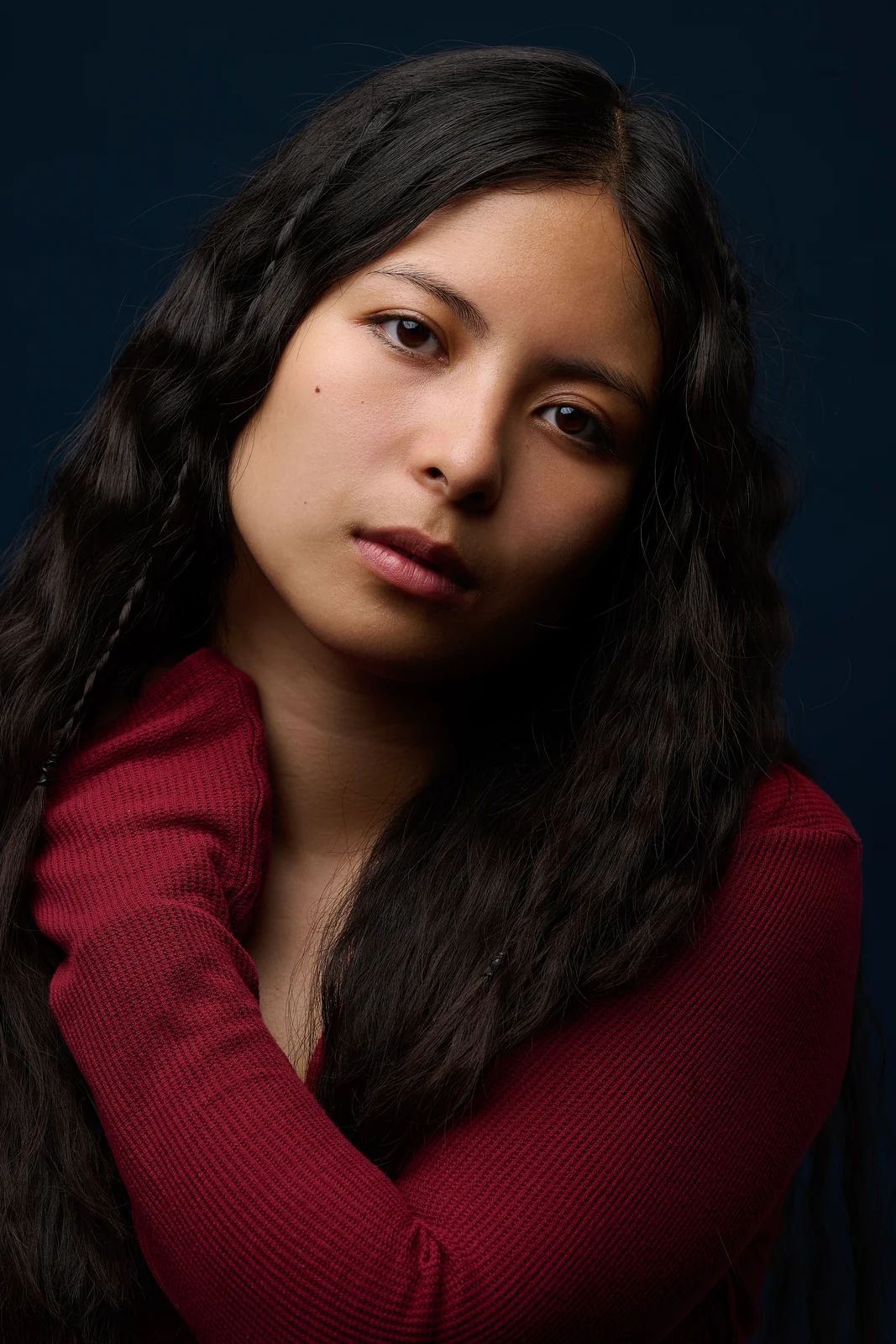
Your confidence. This is the one nobody warns you about. Looking back at my own shots from over the years, the growth I've had in the industry is visible at a glance — not in my features, in how I'm holding the camera. Early on I was tolerating being photographed. Now I'm working with it. That change reads, and casting can feel it even if they couldn't name it.
My own experience of getting it right
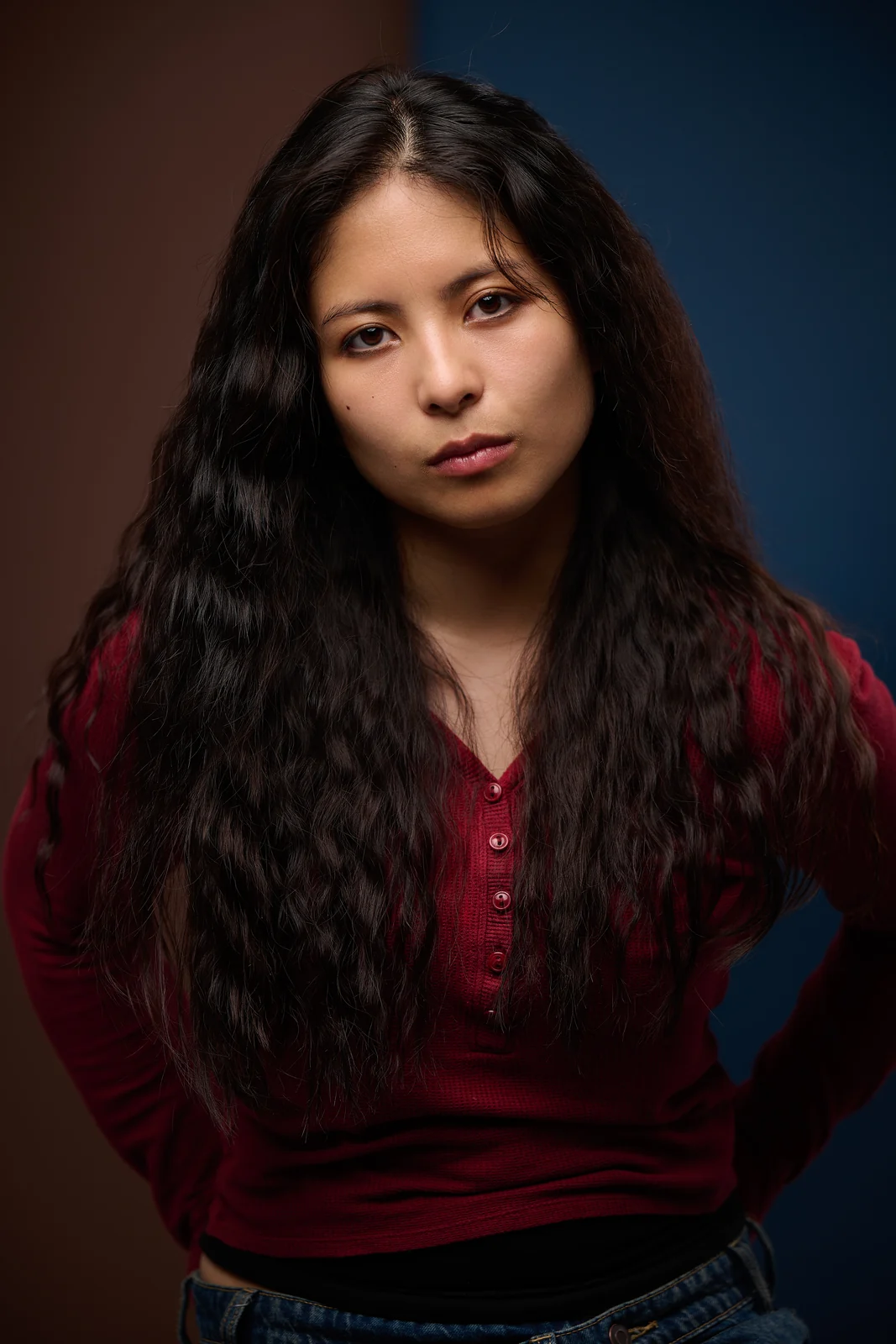
I had my first headshots taken with Mark Wheelwright, who owns and runs Dock Street Studio in Leeds, and I've grown with him collaboratively since — which is a polite way of saying I now actually know how to pose.
From day one he managed to worm me out of my shell. Dock Street isn't about churning out generic, airbrushed portraits; it's about catching who you are right now, on that day, in that phase of your career. Mark has built a reputation for understanding what actors, performers and creatives actually need from a session, which in practice means he'll talk you into being yourself rather than talking you into a face.
Coming back several times over the years, the set of images together tells the story of my working life so far. That's why I keep mine in check and know when it's time to spruce things up.
Stage, screen and commercial want different things
They really aren't interchangeable, and this is where a lot of actors quietly lose auditions.
Screen work demands subtlety. A casting director needs to see you — your eyes, your energy, your quiet confidence. Nothing performed. The camera is close and it will catch anything you push.
Stage headshots need presence. More projection, more of the thing that reads from the back of a theatre rather than from a foot away.
Commercial sits in its own lane. Approachability, warmth, real-world relatability — the version of you that could plausibly be someone's colleague, neighbour or slightly harassed parent.
You don't necessarily need three separate shoots. You need a session where someone asks what you're going up for and shoots accordingly, then gives you variations rather than fifteen frames of the same expression. Mark tailors each shoot to the brief and helps you bring the right version of yourself forward.
This isn't only for actors
The same principle runs right across the creative industries.
Dancers need shots that reflect physicality and presence. Casting isn't only looking at a face — they want a performer who understands their instrument, not just proof you can do fifty thousand pirouettes in a row.
Models rely on images that are current and true. Agencies can spot an outdated portfolio from a mile off, and nothing erodes trust faster than turning up looking different from your book.
Musicians, presenters and creatives are all being Googled before they're booked. The image that comes back should match the person about to be hired.
Whether you're auditioning for a TV drama, a theatre company, a dance showcase or a commercial campaign, your headshot is your calling card. It needs to say: this is who I am right now, and this is what I bring to the table.
Treat it as a working tool
An up-to-date headshot isn't a nice-to-have. It's a signal that you take the craft seriously — that you're ready, you're working, you're present. And when you shoot with someone who understands the industry, you're not just buying a photograph. You're getting a collaborator who knows how to bring the real you to the front of the frame.
Don't let an old photo speak for you. Make sure the face they see on the page is the one they'll meet in the room.
Frequently asked questions
How often should actors update their headshots? Every 12 to 18 months as a rule of thumb, and straight away after any noticeable change in your appearance. If you're early in your career and changing quickly, closer to 12 months. If your look has been settled for years, you can stretch it.
What counts as a change big enough to warrant a reshoot? A different hair colour or a significant change in length, weight gain or loss, starting or stopping wearing glasses, growing or shaving facial hair, new tattoos or piercings that are visible in frame, or ageing into a different casting bracket.
Do I need separate headshots for stage, screen and commercial? Not separate shoots, but you do need separate looks from one shoot. Ask your photographer to shoot a subtle, close screen frame, something with more presence for stage, and a warmer commercial option — then use the right one for the right submission.
What should I wear for an actor headshot? Plain, mid-tone, well-fitting tops with a neckline that doesn't cut you off oddly. No logos, no busy patterns, nothing that dates the shot. Bring three or four options in different colours and let the photographer help you choose on the day.
How many looks can I get in a session? Two to three in a 40-minute session, five in an hour. More than that and you lose the time it takes to relax into each one — which is where the good frames come from.
How much do actor headshots cost in Leeds? Actor sessions at Dock Street are £150 for 40 minutes covering 2–3 looks with 5 retouched images, or £200 for 60 minutes covering 5 looks with 10 retouched. Go for the £200 if you want genuinely distinct stage, screen and commercial options rather than variations on one. (There's a cheaper £95 option, but that's a 20-minute LinkedIn shoot — one look, 3 images, not enough range for a casting profile.)
Can I use the same studio for self-tapes? Yes — self-tapes are a different job to a headshot, and Dock Street has a separate content studio set up for filmed work, which is worth knowing if you're regularly asked for tapes at short notice.
About the author
Beya Mullan is a working actor based in Leeds and a long-standing client of Dock Street Studio, where she has shot headshots with Mark Wheelwright since the start of her career. She also assists on sessions at the studio, bringing her own experience on both sides of the camera to how she directs and styles other clients' shoots.
Her headshots were taken at Dock Street Studio in central Leeds — a tethered studio for actor, performer and business headshots, ten minutes from Leeds station with parking and step-free access. You can see what other clients say or book a session.
Shot, written and built by the Dock Street team
Every guide on this blog comes from the team at Dock Street Studio — Mark behind the camera with 18+ years' experience, Nicole on styling and lighting, Beya on video and bookings and Austin keeping the site fast and findable. If you'd rather have us do it than read about it, book a session or explore our photography services in Leeds.