


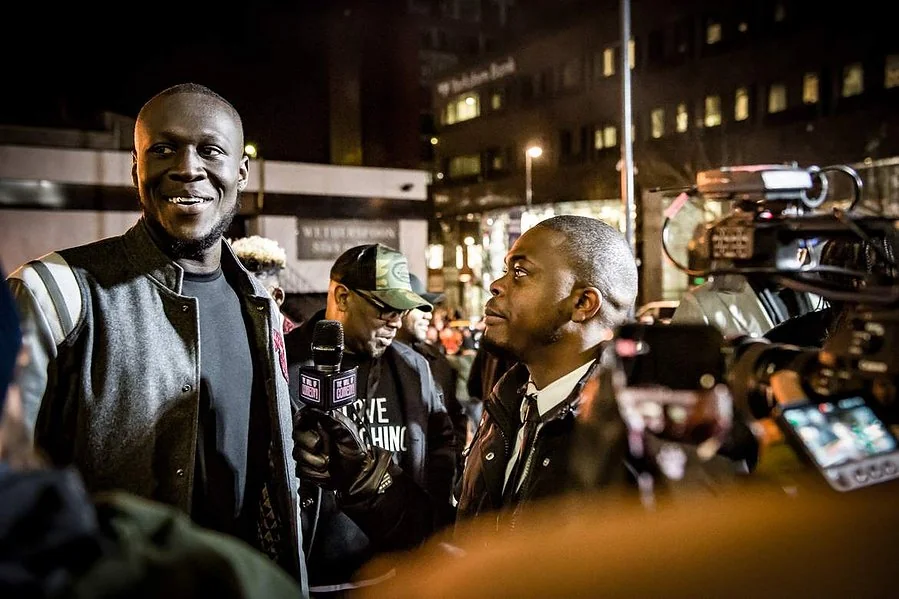
If your launch gets picked up by the press, appears on LinkedIn, lands in a trade title and still looks flat in the photography, something has gone wrong. A press event photographer for businesses is not just there to record who turned up. The job is to produce images that help the event travel further, look credible, and give your team useful content long after the room has emptied.
That matters more than many businesses expect. You might spend weeks sorting the venue, guest list, speakers and timings, then treat the photography as a last-minute extra. Usually, that is when you end up with a folder full of awkward handshakes, harsh lighting and shots that do not quite tell the story. Good press photography does the opposite. It gives your PR team, your marketing team and your wider business clear, usable images with a purpose.
What a press event photographer for businesses actually does
A proper press event photographer for businesses works with two things at once - documentation and communication. We are there to capture what happened, but also to show why it mattered. That means understanding the brief before the day starts, knowing which people must be photographed, and reading the room quickly enough to catch the moments that carry the story.
For one business, the key image might be a founder speaking at a product launch. For another, it could be a partnership announcement, a panel discussion, a packed audience, or a VIP arrival. Sometimes the event is polished and formal. Sometimes it is a bit chaotic. Either way, the photography has to feel organised, even if the event itself is moving fast.
This is where experience makes a real difference. Press and event coverage is rarely controlled in the same way as a studio shoot. Lighting changes. Timings drift. Important guests arrive late. Someone stands in the wrong place just as the ribbon is cut. You need a photographer who can keep up without becoming part of the disruption.
Why businesses need more than a few nice pictures
Most companies booking event coverage are not doing it for the photo album. They need images that can work hard across several places. A single event may need photographs for a press release, social posts, internal communications, future event promotion, investor updates and the company website. That changes what we shoot and how we shoot it.
The strongest event galleries usually mix several types of image. You need a few clear hero shots that tell the main story straight away. You also need wider atmosphere images, close-up details, speaker coverage, audience reactions and natural interaction between guests. If everything is shot from the same angle, the event will look smaller and less engaging than it really was.
There is also a question of credibility. Journalists, trade editors and marketing teams can spot weak event photography quickly. If the imagery looks staged for the sake of it, or if the room appears half-empty because it has been photographed badly, it undermines the effort behind the event itself. Good coverage helps the business look organised, well-attended and worth paying attention to.
What to look for when hiring a photographer
The first thing we would say is this: do not book purely on price. Event photography is one of those services where cheap often becomes expensive later. If the pictures are unusable, you do not get a second chance once the event has finished.
Look at whether the photographer understands business communication, not just whether they can take a sharp image. Can they photograph people well under pressure? Do they know how to work in mixed lighting? Can they produce clean, consistent edits quickly? Have they covered launches, awards, networking events, panel talks or corporate PR moments before?
It is also worth checking how they talk about planning. A good photographer should ask sensible questions. Who are the key people? What is the running order? Are there sponsor backdrops? Is there a must-have group shot? Are images needed on the same day for media use? Those questions are not fussiness. They are part of making sure the final gallery is genuinely useful.
Temperament matters too. At business events, a photographer needs to be visible enough to get the shot and discreet enough not to dominate the room. That balance is not always easy. The best event coverage often comes from someone who can put people at ease, move quickly, and stay calm when timings shift.
The brief is where good coverage starts
A lot of the success happens before the first frame is taken. The clearer the brief, the better the result. That does not mean you need to write a long document. It means being honest about what the event is for and what success looks like.
If the main goal is PR, we would plan for strong editorial-style images with recognisable faces and clear context. If the event is more about brand perception, we might give more attention to atmosphere, styling, signage and guest interaction. If you need social content, vertical-friendly crops and a wider mix of candid images can be useful. Different uses need different coverage.
It also helps to share any practical limitations early. Some venues in Leeds and Manchester are brilliant visually but awkward to work in. Dark corners, mixed colour lighting and crowded layouts can all be handled, but it is far easier when we know what is coming. A venue walk-through is ideal when possible, though not always essential.
On the day, timing is everything
Business events often have one or two moments that matter more than the rest. A speech. A handshake. An award presentation. A photo call. If those moments are missed, the gallery can still look decent, but it will not do the job properly.
That is why we always think in terms of timing, not just coverage hours. It is better to know exactly when the founder meets the press or when the branded reveal happens than to simply arrive and hope for the best. We can then be in the right place, with the right lens, before the moment starts instead of reacting half a second too late.
There is a trade-off here. Candid coverage tells the story of an event honestly, but some occasions also need one or two lightly directed images to make sure key people are photographed clearly. There is nothing wrong with that. In fact, for many business events, a short, efficient posed setup can save a lot of frustration later.
What good event photography looks like afterwards
When the event is over, the real test is simple. Can the business use the images straight away, without rummaging through hundreds of near-duplicates? A strong final gallery should feel edited with intent. Not every frame needs to be delivered. Just the ones that are sharp, flattering, relevant and useful.
Consistency matters here. Skin tones should look natural. Lighting should feel balanced. Branding should be readable where it needs to be. The set should include variety, but still feel like one event rather than several disconnected moments.
Turnaround is another practical point. For press use, speed can be crucial. If a story is going out that afternoon or the next morning, late delivery can make even good images less valuable. That is worth discussing before booking, especially if the event is tied to a launch or announcement.
Common mistakes businesses make
The most common mistake is underestimating how specific the job is. Event photography looks simple from the outside because everyone has been to an event and everyone has taken a few snaps. Commercial event coverage is different. It requires judgement, anticipation and a clear sense of what the business needs afterwards.
Another mistake is failing to nominate a point of contact. On busy event days, somebody on the client side should be able to flag key arrivals, changes in timing or last-minute must-have shots. Without that, important moments can be harder to catch, especially if the schedule shifts.
We also see businesses forget about the background. Branding boards, cluttered tables, half-drunk glasses and stray bags can ruin an otherwise strong image. A good photographer will watch for that, but a little planning from the organiser helps as well.
Why local knowledge can help
If your event is in Leeds or elsewhere in Yorkshire, local experience can be useful in ways clients do not always think about. Knowing the venues, understanding how long city-centre travel actually takes, and being familiar with the pace of regional business events all help the day run more smoothly. It does not replace photographic skill, but it can remove a lot of avoidable stress.
At our studio, we see that often with business clients who want straightforward advice as well as strong images. They are not looking for drama. They want somebody reliable, well-prepared and easy to work with, who can cover the event properly and hand over a gallery that earns its keep.
If you are booking a press event photographer for businesses, think beyond whether the pictures will look nice on the day. Think about whether they will still be useful next week, next month and the next time you need to show your business at its best. That is usually where the real value sits.
Shot, written and built by the Dock Street team
Every guide on this blog comes from the team at Dock Street Studio — Mark behind the camera with 18+ years' experience, Nicole on styling and lighting, Beya on video and bookings and Austin keeping the site fast and findable. If you'd rather have us do it than read about it, book a session or explore our photography services in Leeds.