


A campaign can lose its impact before the first frame is taken. If the brief is vague, the product turns up late, or nobody has agreed where the pictures will be used, even a well-lit shoot produces images that don't quite do the job. Knowing how to plan campaign photography means making the creative decisions early, then leaving enough room on the day for the good ideas to happen.
The strongest results come when photography is part of the campaign planning rather than the last task squeezed in after the copy, design and media plan are already fixed. The pictures need a proper role. Are they introducing a new product, building trust in a service, supporting a seasonal promotion, or giving a brand a more human face? That answer shapes every decision after it.
Start with the campaign's job, not the moodboard
A moodboard is useful. It isn't a brief. It shows a feeling, a palette, a style, but it doesn't explain what the images have to achieve commercially. Write down the practical job of the campaign in one or two plain sentences first.
A Leeds food brand launching a new range might need a hero for paid social, a wide website banner, close product details for ecommerce and a handful of natural lifestyle frames for press. A professional services firm might need credible portraits of its people at work, with clean space around the subject for advertising copy. Very different shoots, even when both moodboards are full of bright modern imagery.
Ask where the images will appear, who needs to respond to them, and what you want those people to do. Include the formats from the start: portrait social posts, landscape headers, square adverts, email banners, print, retail display, PR. Cropping afterwards is sometimes fine. Building the shoot around the crops you actually need is much better.
Write a brief people can use
The best briefs are clear without turning into a novel. We need to know what you're selling or promoting, who it's for, the key message, the brand rules and the practical deliverables. If there's previous campaign work, share it and say plainly what should stay consistent and what needs to change.
It helps to be honest about what you don't want, too. Maybe you're avoiding overly glossy ecommerce lighting, stiff office poses, stock-image smiles. That points us towards the right look far faster than a folder of references on its own.
Cover the audience, the message, the visual direction, the usage, the budget and the deadline. And name one person who can make decisions on the day. If feedback has to travel through five people on a group chat, small choices about props, styling and framing eat the schedule alive. Our notes on editorial photography for brand campaigns go further into the briefing side.
Agree the non-negotiables
Every campaign has a few images that simply have to work — the main advertising frame, a group portrait, a packshot, something built around a headline. Identify those before the shoot and give them proper time.
Then separate the essentials from the useful extras. A wide selection has value, but trying to create forty distinct concepts in a half-day almost always produces rushed work. Get the core set genuinely right, then spend any spare time on alternate crops, expressions, details and the more spontaneous moments.
Build a shot list that leaves room for real life
A shot list isn't a creative prison. It's how we make sure the business-critical images are covered before the light changes, the model needs a break, or a product picks up a mark. Keep it simple and put the most important frames first.
For each image, note the subject, the orientation, the intended use, the location or set, the props, the styling and any copy space needed. A priority label helps: must-have, should-have, nice-to-have.
A typical campaign list runs to a hero with room for text, product or service details for web and social, portraits or lifestyle frames showing the people behind the brand, verticals for stories and reels covers, and wider frames for banners, press layouts or print.
Then leave space for the shots nobody predicted. The best image often happens between the planned setups, when somebody relaxes or a prop gets used more naturally than intended. Good planning is what buys you the breathing room to notice it.

Pick a location that supports the message
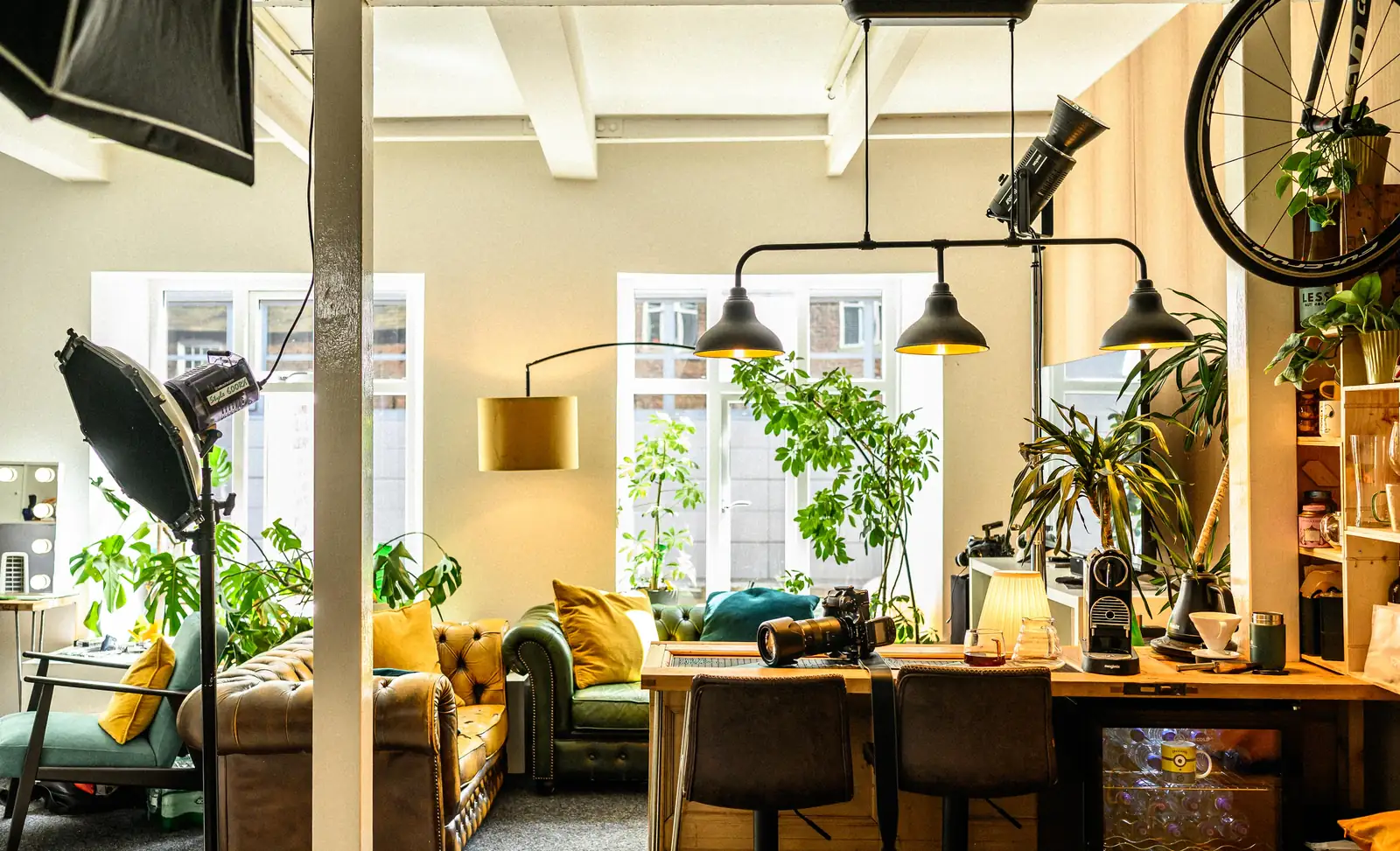
Location isn't just a backdrop — it tells the viewer something about the brand. A bright studio is the sensible choice when you need control, consistent lighting, clean backgrounds and several setups in a day, and it's particularly useful when the design team needs reliable negative space for text.
Location work brings context and atmosphere. A Yorkshire manufacturer may need real workshop detail. A hospitality business needs the warmth of its own venue. The trade-off is variables: weather, noise, access, mixed lighting, public footfall, and less time to reset each scene.
Often a mix is strongest. Polished product imagery in the studio, then the product in use on location. You get consistency where it matters and believable context where it helps sell the story.
Plan the light and the set changes honestly
Lighting should support the campaign, not announce itself. Clean, soft light reads as approachable and premium. Harder directional light can suit a bolder fashion, fitness or youth-focused campaign. It depends on the brand, the product and who's meant to respond.
Be realistic about how many looks fit in a day. Every change of backdrop, lighting setup, prop arrangement or styling direction costs time. If you want four distinct sets, plan for four. We'd much rather explain what's achievable than promise a packed schedule with no room for care.
Get the right people in the room
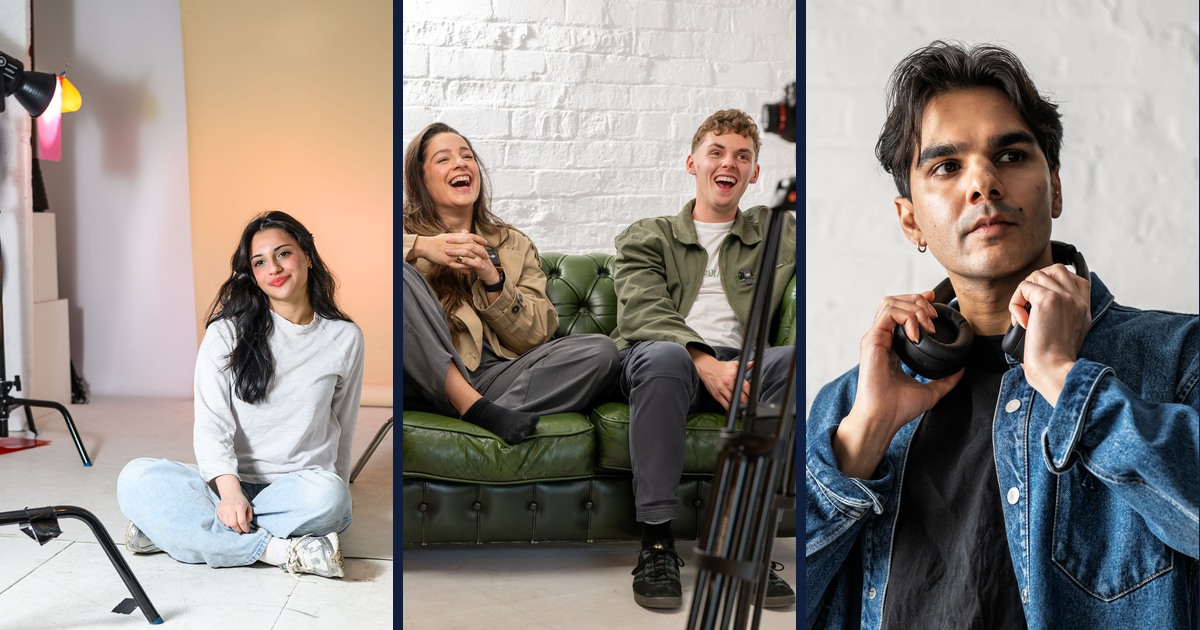
The photographer is one part of a campaign shoot. Depending on the concept you may need a producer, a stylist, hair and make-up, a set stylist, models, assistants, or a content lead from your side. Not every project needs a big crew, but the wrong gap shows in the pictures.
If clothing fit is central, proper styling earns its keep. If staff are appearing, give them clear guidance beforehand — what to wear, when to arrive, what will happen. People are far more comfortable knowing they won't be asked to improvise in front of a camera.
For models, check usage before booking. Where will the images run, for how long, in which territories? A cheap arrangement gets expensive if you later want the campaign nationally or for another year. The same goes for music, artwork, locations and any recognisable packaging in the background.
Prepare products, props and people
Products need more preparation than most people expect. Bring multiples. Packaging scuffs, labels crease, food wilts, and reflective surfaces show every fingerprint. If something's being shot from several angles, check every side is camera-ready.
Props should add to the story rather than crowd it. A prop that looks great on a moodboard can pull attention straight off the thing you're selling. Bring options, but not a car boot of unrelated bits in the hope a concept appears — decisions come faster when the choices have a purpose.
Send a call sheet before the day: address, timings, parking and loading, contacts, wardrobe notes, schedule. In central Leeds, allow extra time for traffic, loading and finding the right entrance. It sounds basic, but a calm start genuinely shows in the work.
Sort approvals, editing and delivery in advance
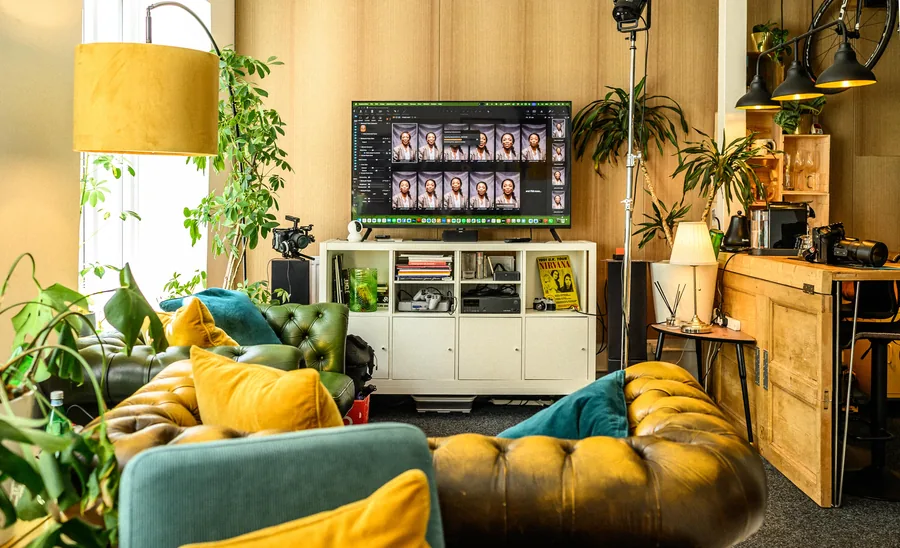
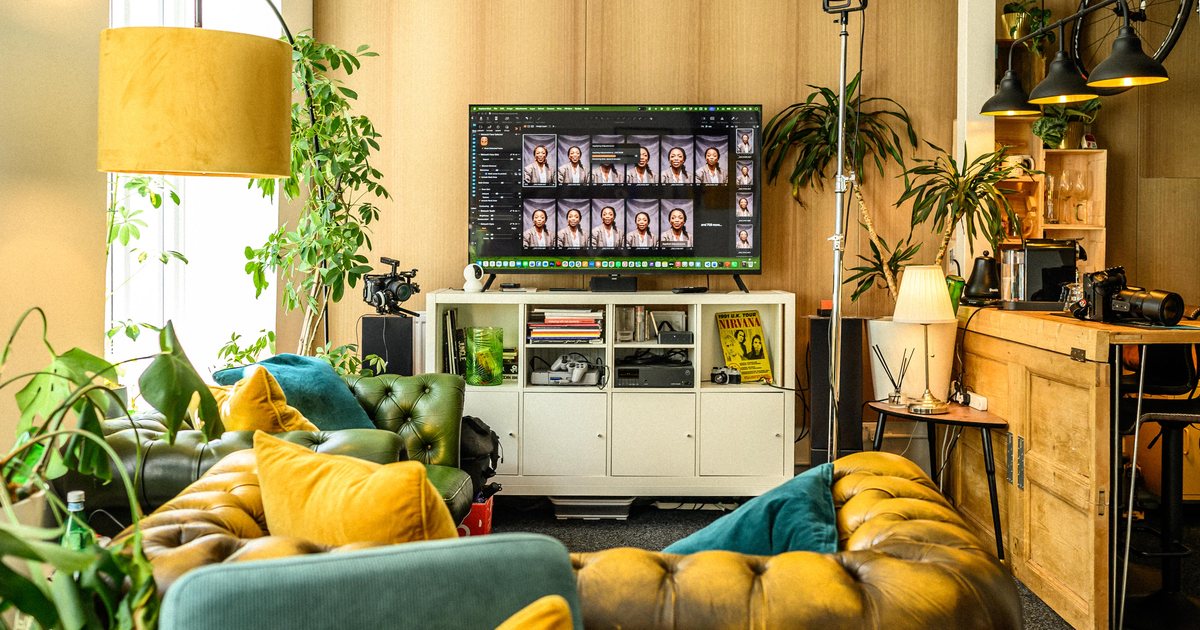
Somebody should be reviewing the key frames during the session. It's far easier to fix a sleeve, change a crop or adjust a composition while everyone and everything is still in the room. Everything lands on a big screen as we shoot, which is why we shoot tethered — especially useful when a campaign has strict layout requirements.
Agree the editing approach beforehand. Clean natural retouching, colour-matched product work, background cut-outs, a more editorial finish? Retouching is part of the production rather than an afterthought, and the level you need affects both timescale and budget.
Then decide how files get named, selected and delivered. A clear proofing selection, a quick decision on priority images, and a realistic retouching deadline. If the campaign is tied to a launch, work backwards from that date and leave time for design, approvals and the inevitable late change.
Budgeting is about choices, not day rates
A smaller budget may mean one location, a tighter shot list, fewer finished retouched images, or using your own team rather than professional models. That can still produce excellent work when the idea is focused.
Where not to cut blindly is the preparation. A properly planned half-day will outperform a full day where nobody knows which images matter most. Spend where it changes the result: experienced direction, suitable lighting, useful styling, enough time to shoot, and considered post-production.
Clients get the most from a campaign when they arrive with a clear purpose and let us help turn it into a workable plan. You don't need to know a single lighting term. You do need to know what success looks like — and if it's easier to talk that through properly over a brew before anything gets booked, that's usually time well spent.
Frequently Asked Questions
How far ahead should I plan a campaign shoot?
Four to six weeks is comfortable once models, styling or several locations are involved. A studio-only campaign with your own team can come together in two. Work backwards from the launch date and leave room for retouching and approvals.
What's the difference between a moodboard and a brief?
A moodboard shows the look you're after. A brief explains what the images have to achieve, where they'll run, and what formats you need. You want both, but the brief is what actually determines how we shoot.
How many images should a campaign shoot produce?
Fewer, better ones. A focused core set of ten to fifteen finished images, plus alternate crops and verticals, usually serves a campaign better than forty half-finished concepts from the same day.
Studio or location for a campaign?
Studio when you need control, consistency and reliable copy space. Location when context and atmosphere are part of the message. Many campaigns do both — studio for the core assets, location for the storytelling frames.
Do I need models, or can we use staff?
Staff often work well and read as more authentic, particularly for service businesses. Models make sense where casting, wardrobe fit or a specific look matters. Either way, check usage rights before the shoot if the images will run as paid advertising.
Where is the studio and how do I book?
Dock Street Studio is at Unit 9, 30–38 Dock Street, Leeds LS10 1JF, in central Leeds near Leeds Dock and a short walk from Leeds train station, with parking onsite. Book online, email hello@dockstreetstudioleeds.co.uk, or call 0113 4400102.
Plan your campaign shoot in Leeds
Bring us the campaign's job, the formats you need and your deadline, and we'll turn it into a shot list and a schedule that survives the day. Book online, email hello@dockstreetstudioleeds.co.uk, or call 0113 4400102.
Written by Mark Wheelwright
Commercial photographer & studio owner, Leeds | ISO Photographic Ltd
Dock Street Studio, Unit 9, 30–38 Dock Street, Leeds LS10 1JF
18 years in business | 900+ projects | 300+ five-star reviews | 1M+ shutter count
dockstreetstudioleeds.co.uk
Shot, written and built by the Dock Street team
Every guide on this blog comes from the team at Dock Street Studio — Mark behind the camera with 18+ years' experience, Nicole on styling and lighting, Beya on video and bookings and Austin keeping the site fast and findable. If you'd rather have us do it than read about it, book a session or explore our photography services in Leeds.