



You have three quotes for a shoot in front of you, and one carries a line reading "usage: UK, digital and print, 12 months, non-exclusive". Nobody has explained it, and it looks like something you were supposed to know already.
You weren't. What follows is a plain-English guide to what those words mean in commercial photography usage rights, so the terminology stops getting in the way of a normal business decision. It is an explainer, not legal advice. Your own agreement is what governs your images, and if there is serious money or reputation riding on it, a solicitor is the right person to read it, not a photographer.
Why commercial photography usage rights exist
A photograph is not much like a batch of printed leaflets. One frame might sit quietly on an About page for six years. The same frame might run as paid advertising across the country for a single Christmas. Very different jobs for a picture to do, and worth very different amounts to the business doing them.
So the trade separates two things: making the pictures, and permission to use them. The general position in UK commercial practice is that the photographer holds copyright in the work and grants the client a licence, which is a written description of the uses included. A full assignment of copyright is possible too, and there are jobs where it makes sense, but it is a separate arrangement that gets agreed rather than assumed. What applies on your job is whatever your own paperwork says, so that is the document to read, and whoever wrote it is the person to ask.
The practical benefit is that you are not paying for reach you will never use. A café in Holbeck refreshing its website and a brand going into a national retailer should not be buying the same thing. How the fee gets built up is a separate subject, covered in our guide to pricing photography licensing. This post is about the words, not the numbers.
What the words on a quote actually mean
Most licences describe the same handful of limits. Once you can read them, a quote stops being opaque and starts being comparable.
Usage, or media
The channels the photographs can appear in. Your own website, email, organic social and brochures tend to sit in one group, because you control them and the audience largely came looking for you. Paid advertising is generally described separately: boosted posts, display adverts, poster sites, packaging, point of sale. Those put an image in front of people who did not go looking for it, so they get their own wording.
Term
How long the permission runs. Campaign imagery is often licensed for a set period, evergreen material like team portraits or core product shots for longer. Neither is automatically better. It depends on how long the pictures are genuinely meant to keep working.
Territory
The geography covered. The UK, Europe, worldwide. Online use makes this feel slippery, since a website can be viewed from anywhere. The useful question is usually where you are actively selling, marketing or advertising, rather than who could load the page.
Exclusive and non-exclusive
Non-exclusive is the ordinary arrangement for most commercial work. Exclusive means the photographer agrees not to license the same or similar images elsewhere, usually inside a defined sector, territory and period. It matters most where a campaign depends on a look a rival cannot buy a version of next month.
Sub-licensing, or third-party use
The one that catches people out most often. Retailers, distributors, franchisees, PR agencies and publishers may all end up wanting the files. Emailing someone a JPEG and that someone being covered by the licence are two different things, so name the partners you expect to share images with while the terms are being written.
Releases
Separate from the licence altogether. A model release is the permission of the person in the photograph; a property release relates to a location, an artwork or a private space. A shoot can be properly licensed while somebody else's permission is still an open question, which is why intended use is worth raising with everyone involved before the day.
"Unlimited usage"
Not really a specification. Usually it means nobody has decided yet, and quoted honestly it has to assume the largest possible use. Saying what you need is normally cheaper.
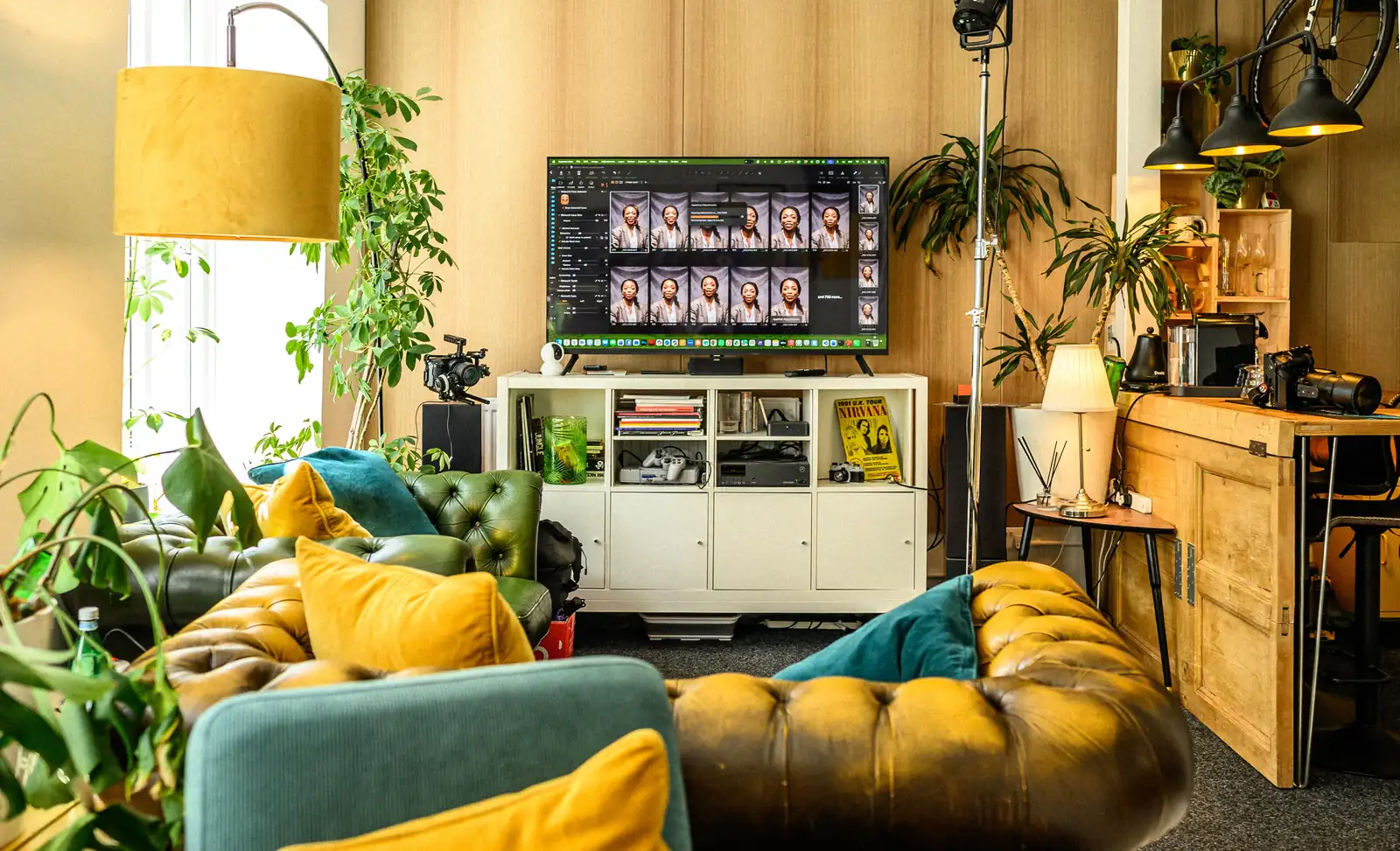
Usage changes the shoot, not just the invoice
This is the part worth caring about even if paperwork bores you rigid. A poster needs room around the subject for headline copy. A wide website header will not become a vertical Story crop without somebody losing an arm. If we know both are coming, we shoot both rather than trying to rescue one afterwards.
People in the pictures deserve the same courtesy. A colleague glad to appear on the careers page may feel rather different about fronting paid social for two years, and finding that out beforehand is kinder than asking them to be a sport about it later. If being photographed makes you uneasy, that is normal and our job to sort out. Our shoot planning guide covers the rest of that groundwork.
What to ask before you commission
You do not need a legal vocabulary for this. Ask whether the quote includes a licence and what it covers, and ask for the terms in writing. Ask which channels, which territory, how long. Ask whether paid advertising sits inside it or is quoted separately, and whether the partners you work with can use the files.
Then ask the one everybody forgets: what happens if it goes well. Campaigns grow, stockists appear, a regional launch turns national. Extending a licence is a normal commercial conversation, and easier to have in advance than in hindsight.
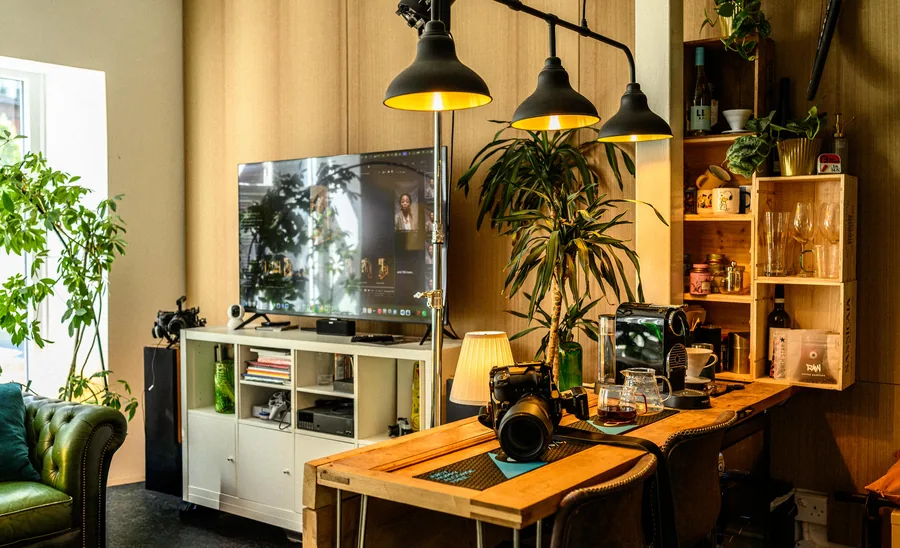
How we set it out
We put the usage in writing for each job, in language you can hand to your finance team without a translation. Terms vary with the work, so rather than publish a one-size licence here, ask us what one would look like for what you have in mind. Most of our commercial work is quoted that way, and five minutes on it over a brew beforehand beats guessing after.
The caveat once more, because it matters: we are photographers, not solicitors. Nothing here describes your agreement or your circumstances, and where real weight rides on the images, have your own adviser read the document.
Frequently Asked Questions
Does paying for a shoot mean I own the photographs?
Commissioned commercial work in the UK is generally supplied under a licence, with copyright staying with the photographer unless something different has been agreed. What applies to your shoot is whatever your own agreement says, so that is the document to check.
What is the difference between a licence and an assignment?
A licence is permission to use images in agreed ways. An assignment transfers the copyright itself. They are different arrangements, priced separately, so it is worth being clear which is on the table.
Is organic social media treated differently from paid?
Usually, yes. The two are normally described separately, because paid promotion reaches a much larger audience and works directly as advertising.
Can our retailer or agency use the images?
That is what the third-party or sub-licensing wording is for. Name the partners you expect to share files with while the terms are being drawn up, not after the event.
Where is the studio and how do I book?
Dock Street Studio is at Unit 9, 30–38 Dock Street, Leeds LS10 1JF, in central Leeds near Leeds Dock and a short walk from the train station, with parking onsite. Book online, email hello@dockstreetstudioleeds.co.uk, or call 0113 4400102.
Talk your usage through before the shoot
Tell us what the images need to do and where they need to go, and we will set the usage out in writing alongside the quote. Book online, email hello@dockstreetstudioleeds.co.uk, or call 0113 4400102.
Written by Mark Wheelwright
Commercial photographer & studio owner, Leeds | ISO Photographic Ltd
Dock Street Studio, Unit 9, 30–38 Dock Street, Leeds LS10 1JF
18+ years' experience | 900+ projects | 300+ five-star reviews | 1M+ shutter count
dockstreetstudioleeds.co.uk
Shot, written and built by the Dock Street team
Every guide on this blog comes from the team at Dock Street Studio — Mark behind the camera with 18+ years' experience, Nicole on styling and lighting, Beya on video and bookings and Austin keeping the site fast and findable. If you'd rather have us do it than read about it, book a session or explore our photography services in Leeds.