


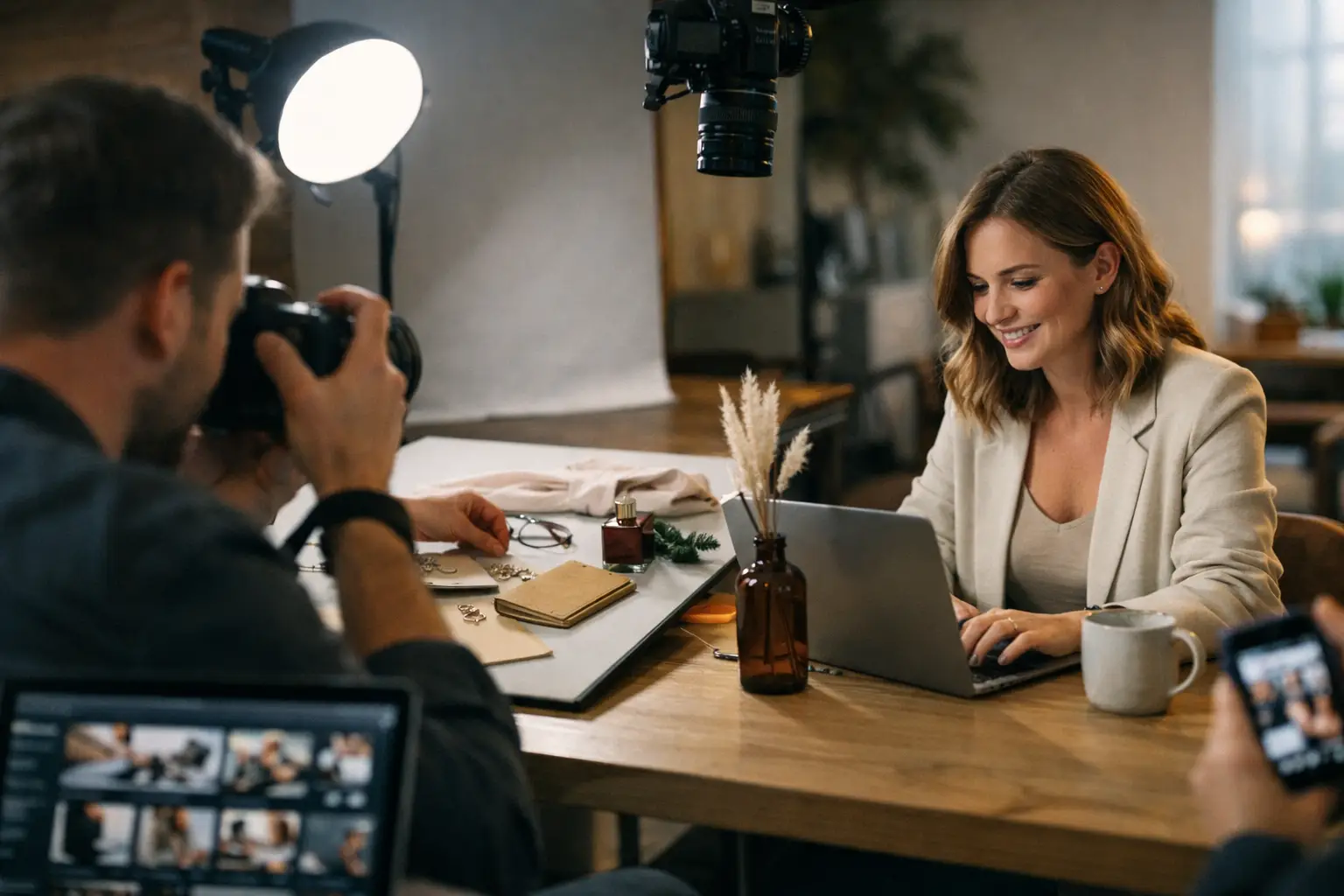
Nobody sets out to use stock photos. It happens because a page needs filling on a Thursday afternoon and there is nothing else to hand. Then the placeholder stays, and a smiling stranger in a glass-walled office ends up representing your company to every person who lands on your website.
Authentic brand imagery is the alternative, and it is simpler than it sounds. Photographs of your actual people, your actual space and your actual work, made properly. Not candid snaps or phone pictures taken five minutes before a deadline. Planned, well-lit photographs of real things.
What authentic brand imagery actually means
Authenticity gets confused with informality. They are not the same thing. The strongest commercial pictures we make are carefully lit and quietly directed, and they still read as honest, because what sits in front of the lens is genuinely yours.
So the question is not how loose the photography is. It is what you point the camera at. Your team, your workspace, your process, the part of the job you are actually good at.
A Yorkshire food producer needs clean product shots, and customers also want the hands preparing an order and the jar open on somebody's kitchen table. A consultant needs a capable portrait, and a photograph of a meeting that looks like the meetings they really run.
You do not need to put the whole business on display. Pick the two or three details that would make a wavering customer relax.
Why stock photography quietly costs you trust
People are better at spotting stock than they let on. They may not consciously think "that is stock", but they register something borrowed, and they file it with the other small signals they use to decide whether to believe you.
The damage is rarely dramatic. It is a slight discount applied to everything else on the page. If the picture of your team is not your team, the claim about your service gets read more sceptically too.
There is a practical problem too. Stock is licensed to everybody, so the same woman in the same headset can turn up on your site, a competitor's site and a debt recovery firm's homepage in the same week.
Then there is the expectation gap. If your website shows a huge glossy team in a city-centre tower, and clients actually meet three people in a friendly office above a shop, the pictures have set up a small disappointment before anyone has spoken. A smaller business does not need to look bigger. It needs to look capable and clear about what it does well.
Polished and believable are not opposites
Owners often worry that honest photographs will look unprofessional. In our experience the opposite happens. Good light and composition make real work look like itself on a good day, which is exactly what you are after.
Craft still matters, and it matters most for consistency. Light, colour and editing are what stop your website, your LinkedIn posts and your press images looking like they came from four different companies.
Where it goes wrong is when the finish gets so heavy that the business disappears underneath it. Retouching should tidy distractions, not rebuild a face. Product colour should match what a customer will unwrap, or you will be handling returns rather than compliments.
How formal you go depends on your sector, and we would rather say that than pretend there is one answer. A law firm usually needs a stiller, more considered feel. A maker or a restaurant can take movement, texture and a bit of honest mess. Neither is more authentic than the other.
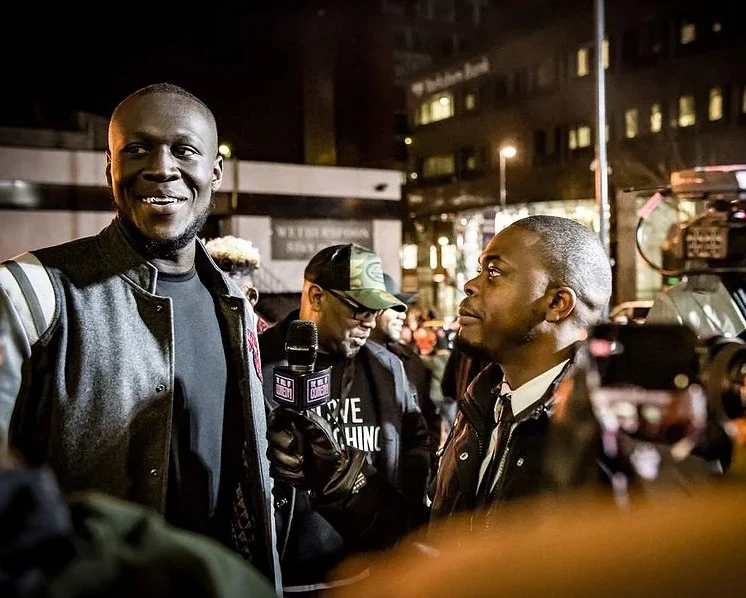
How to brief a shoot that looks like your business
Start with what your customer needs to know
Before we plan a single frame, we ask what somebody needs to understand before they get in touch. Most of our commercial photography work begins with that question, because it does more for a shoot than any mood board.
Think about what you explain on the phone every week. If people want to know who will look after their project, photograph those people. If they are unsure about quality or scale, photograph materials, process and finished work. If your product solves a fiddly problem, show it solving it, in a room that looks like a real room.
Mood boards are useful for direction. They stop being useful when they turn into a list of other companies' pictures to copy, because copying somebody else's brand is how you end up back where stock left you.
It also pays to decide where each image will live before the day. A wide frame with room for a headline works as a website banner and is no use on Instagram. We build a list around priorities, then leave space for the unplanned moments, which are often the frames you end up using most. There is more detail in our guide to building a brand photography shot list.
Photograph the middle of the job, not just the result
The most convincing brand pictures tend to come from the middle of the work. For a builder, that is careful measuring, clean preparation and the right tools out. For an online seller, it is stock checks, packing and comparing finishes. For a salon, it is the consultation and the welcome at reception.
These are the photographs that give your claims evidence. Anyone can write "attention to detail" on a homepage. A close, well-lit frame of that attention happening makes the point without having to say it.
It takes a little preparation. Have a sensible tidy-up, put away confidential paperwork and anything broken, then stop. Leave the tools, the materials and the half-finished job. You want a real working day on a good day, not a film set.
If your premises will not photograph well, say so early. Plenty of businesses do not have a camera-ready space, and forcing it gives worse results than a clean set built properly. At our content studio in Leeds we can control the light and cover the operational side on site another day. Just skip props that mean nothing: if the mug and the pot plant have nothing to do with your customers, leave them out.
Getting real people in front of the camera
Almost everybody says they hate having their photograph taken. Do not feel you need to arrive knowing how to pose. That part is our job.
We direct people through small actions rather than asking them to hold a smile. Looking at a product, walking into a meeting, talking to a colleague, setting something up for a client. It gives hands and eyes something honest to do, and it produces photographs with a reason to exist.
Tell your team why the pictures are being made and where they will be used. People turn up differently when they know the images are for the new website rather than an internal directory.
We shoot tethered, so frames land on a screen as we go and you can see how it is looking instead of wondering. That settles a nervous subject faster than anything we say, because they can see they look like themselves. If you want the reasoning, we have written about why we shoot tethered.
Build a set, not a single photo
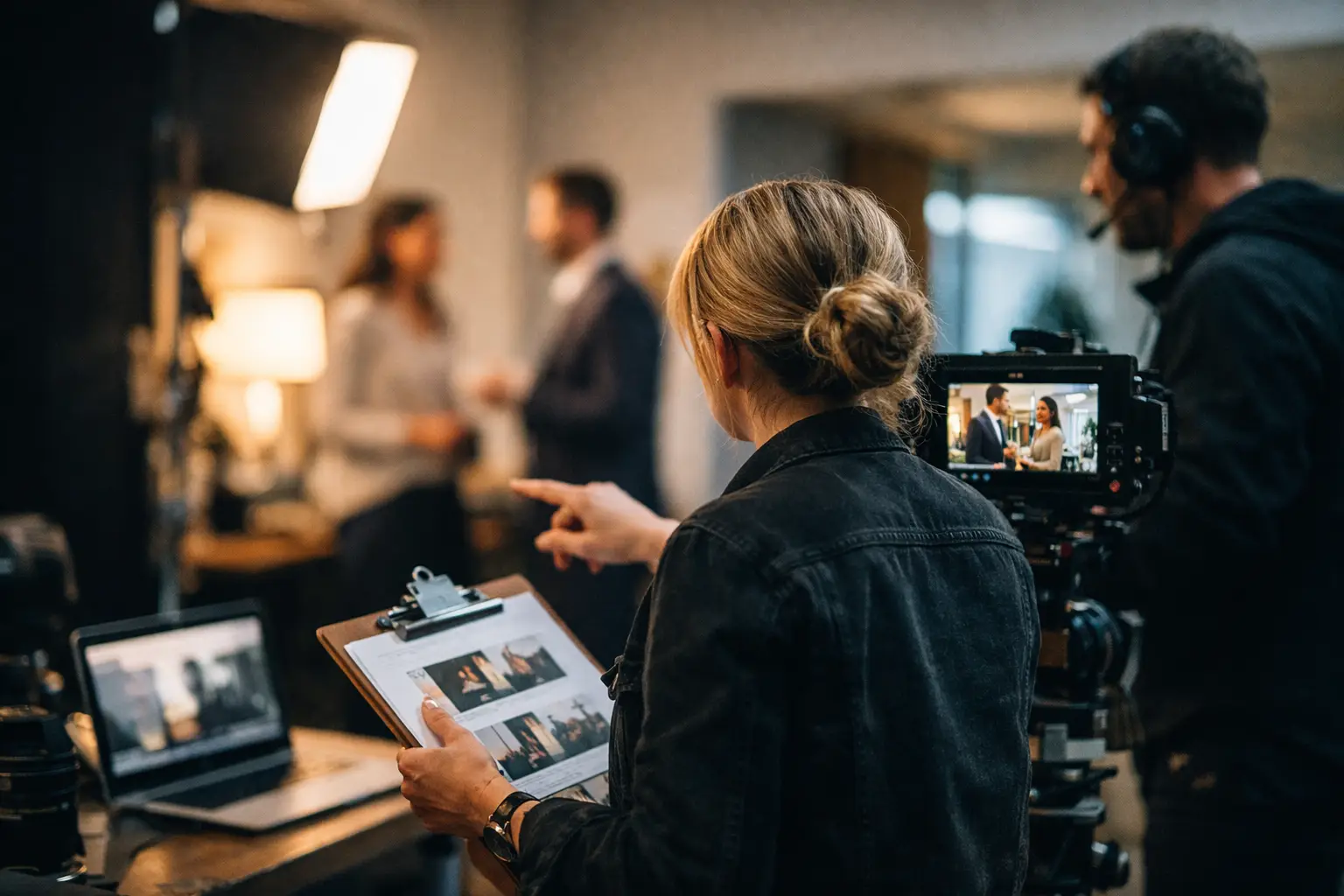
A shoot earns its keep when it gives you a set. One well-planned day covers most businesses for months, as long as we capture tighter details, alternate crops and vertical frames alongside the obvious hero shots, so nobody is reusing the same picture every fortnight.
For a lot of clients a smaller session every quarter beats one big annual production, because the pictures keep pace with the business. Plan a new one when something real changes: a new range, a new starter, a different service, a new premises.
When stock is honestly the right call
We are not going to pretend stock never has a use. If you need an abstract background, a map, a texture or an illustration of something nobody can photograph, buy it and get on with your day. That is not the imagery customers use to judge you.
The line is straightforward. Anything that implies "this is us" should be us: team, premises, products, process, customers. Anything purely decorative can come from wherever is cheapest.
And if the budget only stretches to one thing this year, spend it on the people. Honest portraits of whoever a customer will actually deal with do more work than a library of everything else. We would rather do that properly than spread a small budget thin and leave you with a bit of everything and nothing you are pleased with.
Frequently Asked Questions
Isn't stock imagery just cheaper?
Per image on the day, yes. Per year of use, usually not, because a stock library never becomes yours and you keep paying to fill the same gaps. Photographs of your own business keep working across the website, social, press and proposals.
Our team is small. Won't real photos make us look less impressive?
Small reads as credible when the pictures are good. What loses people is a business that looks bigger online than it does in the room, so we would rather photograph three capable people properly than imply a department that does not exist.
Should we shoot at your studio or at our premises?
Often both, and in that order. Portraits, products and controlled brand images are easier at the studio with no weather to negotiate, then we photograph the process and workspace where the work actually happens.
Some of our staff really do not want to be photographed. What then?
Tell us in advance and we will plan around it. Nobody gets pushed in front of the camera, and there is usually a way to show a team at work without every face being front and centre.
Where are you based, and how do we book?
Dock Street Studio is at Unit 9, 30–38 Dock Street, Leeds LS10 1JF, a short walk from Leeds train station and close to Leeds Dock, with onsite parking. Send us the pages you need to fill and we will talk the shot list through over a brew before anything gets booked.
Plan a brand shoot in Leeds
If your website is still carrying photographs of people who have never worked for you, we can fix that in a day. Tell us what your customers need to see and we will tell you honestly what is worth photographing first.
Book online, email hello@dockstreetstudioleeds.co.uk, or call 0113 4400102.
Written by Mark Wheelwright
Commercial photographer & studio owner, Leeds | ISO Photographic Ltd
Dock Street Studio, Unit 9, 30–38 Dock Street, Leeds LS10 1JF
18+ years' experience | 900+ projects | 300+ five-star reviews | 1M+ shutter count
dockstreetstudioleeds.co.uk
Shot, written and built by the Dock Street team
Every guide on this blog comes from the team at Dock Street Studio — Mark behind the camera with 18+ years' experience, Nicole on styling and lighting, Beya on video and bookings and Austin keeping the site fast and findable. If you'd rather have us do it than read about it, book a session or explore our photography services in Leeds.