


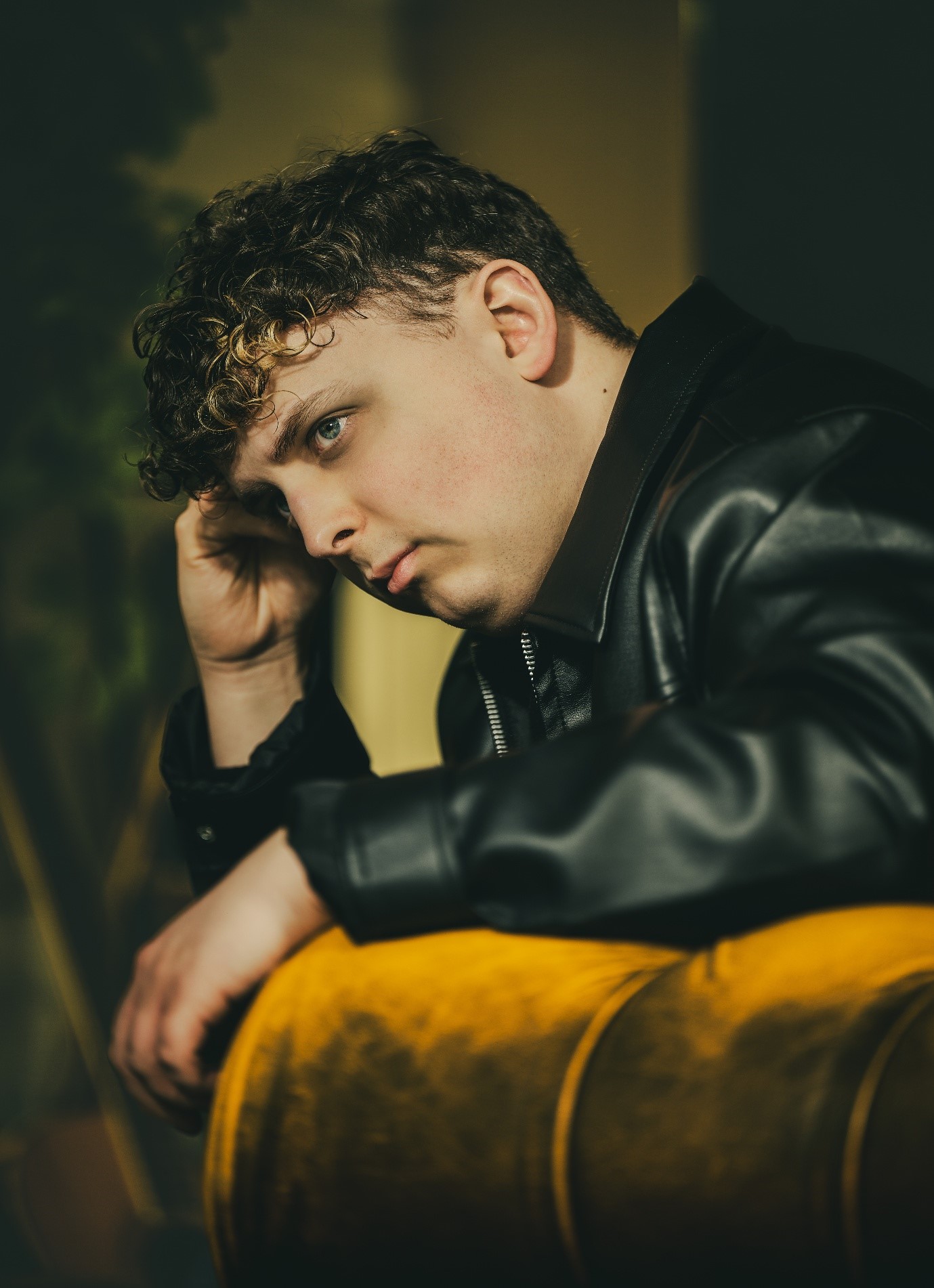
There's something slightly uncomfortable about seeing a bad photo of yourself.
Not necessarily even because it's unflattering. Rather, it's because it feels wrong. Almost as if it's showing a version of you that doesn't quite exist. You know you come across better than that in real life, but the photo hasn't caught it.
And the truth is, most headshots don't.
The problem isn't how people look. It's how quickly we judge. Someone will look at your photo for a second, maybe less, and make a call, whether they realise it or not. You don't get time to explain yourself. The image has to do it for you and that's where it starts to matter.
I think most people assume a good headshot is about looking confident or professional. That usually translates into standing a bit straighter, forcing a smile, trying to look like the kind of person who has everything together, but it almost always goes too far.
You can see it straight away when someone's trying rather than just relaxing and existing. The smile looks slightly held in place. The eyes don't quite match. Everything's a bit tense. It's not terrible — it's just not convincing.
That's the issue. As people we don't deeply analyse photos. We react to them. If something feels off, it sticks.
What actually works is much simpler, and probably less dramatic than people expect.
A relaxed expression, eye contact that isn't too intense, and posture that feels natural, not staged.
It sounds basic, but it's surprisingly difficult to get right because most people aren't used to being photographed. As soon as a camera's there, you become aware of yourself in a way you normally aren't. You start adjusting things that don't need adjusting. The result is a version of you that's slightly edited, slightly held back.
There's also this idea that you need to stand out.
Different lighting, more stylised shots, something a bit more “creative.” And sometimes that works, but more often it just makes the image harder to read.
If someone has to spend time figuring out your photo, you've already lost them a bit.
The strongest headshots are usually the simplest ones. Clean light, neutral background, nothing distracting. You look at it and immediately understand the person. There's no effort involved. That ease is what makes it feel credible.
I think the part people overlook most is how much your mindset shows up.
If you feel awkward, it comes through. If you're overthinking, it's there in small ways — your expression, your eyes, the way you're holding yourself. It's subtle, but it changes the whole image, and you can't really fake your way out of that.
The best photos tend to happen when people stop trying to “get it right.” When they settle a bit, forget what they're supposed to look like, and just exist in front of the camera for a second.
That's usually when it clicks. It's the same reason we shoot tethered at Dock Street — seeing the frame land on a screen a second after it's taken tends to be what lets people stop performing and just settle into it.
A good first impression in a photo isn't about looking perfect, or even particularly impressive.
It's about looking like yourself, just slightly clearer, slightly more composed than usual.
Enough that someone can look at it, quickly, and think: yeah, I get them.
Frequently Asked Questions
I don't photograph well. Is that fixable?
Almost always, and it's rarely about your face — it's about direction and settling in. A photographer who guides you through small adjustments gets past it faster than trying harder on your own.
Should I go for something more creative than a plain headshot?
Only if the brief calls for it. For most professional and casting use, the simplest, clearest version of you reads better than something stylised.
Which session should I book?
The 20-minute LinkedIn Express at £95 covers one look and three images for a straightforward profile refresh. The Quick-Fire Spotlight at £150 gives two or three looks over 40 minutes if you want variation.
Where is the studio and how do I book?
Dock Street Studio, Unit 9, 30–38 Dock Street, Leeds LS10 1JF — central Leeds near Leeds Dock, a short walk from the train station, with parking on site. Book online or call and we'll talk it through first.
Book a session at Dock Street Studio, Leeds
Book online, email hello@dockstreetstudioleeds.co.uk, or call 0113 4400102. Session details are on the headshot photography page.
About the author
Nicole Sheyni
Actor • Copywriter • Lighting assistant & guest writer, Dock Street Studio Leeds
Nicole is a working actor and copywriter based in Leeds. She is part of the Dock Street Studio team, contributing guest articles that draw on lived experience in auditions, casting, and professional practice.
Shot, written and built by the Dock Street team
Every guide on this blog comes from the team at Dock Street Studio — Mark behind the camera with 18+ years' experience, Nicole on styling and lighting, Beya on video and bookings and Austin keeping the site fast and findable. If you'd rather have us do it than read about it, book a session or explore our photography services in Leeds.