


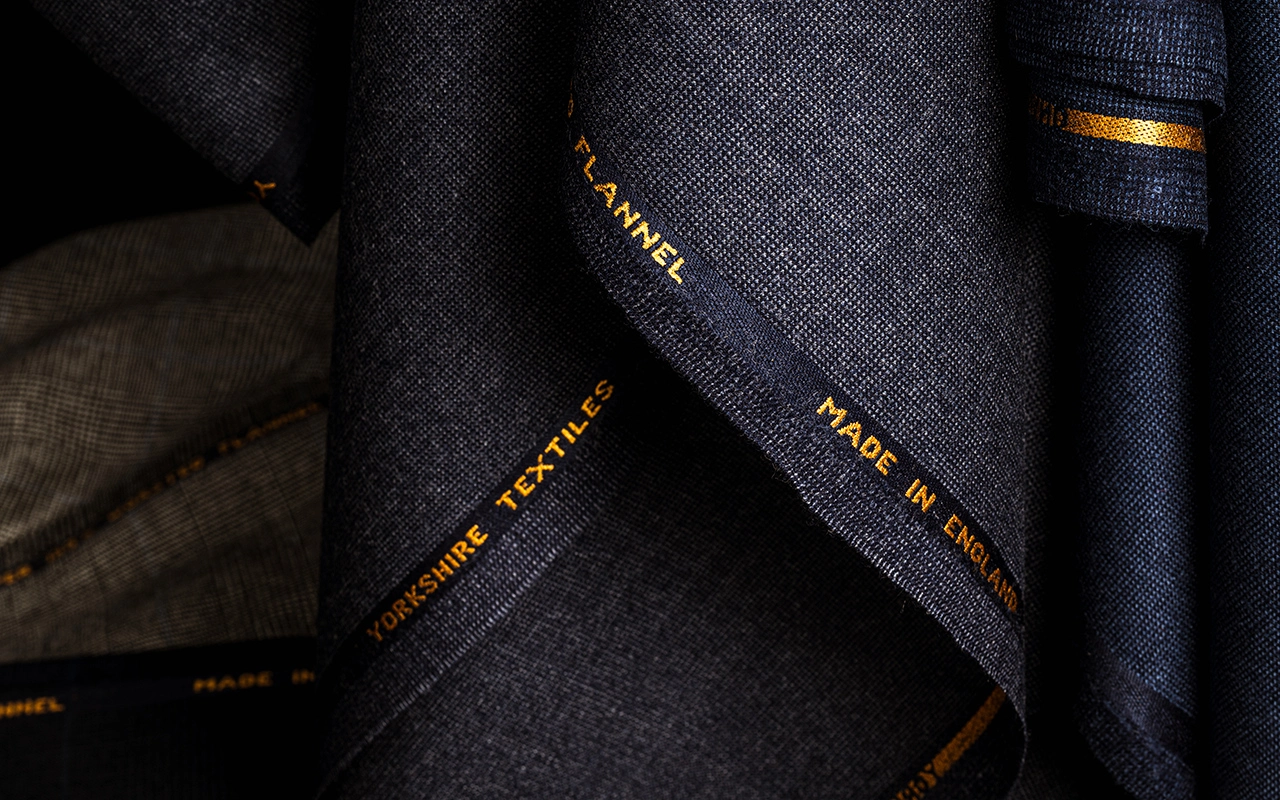
A customer can't pick up your product through a screen. They can't feel the weight of it, check the finish or turn it over to see how it works. Product photography has to do that job for them. A clear, well-planned set of images makes buying feel easier — whether you sell handmade jewellery, Yorkshire food and drink, skincare, furniture or specialist equipment.
We see the difference every week at Dock Street Studio in central Leeds. The strongest product images aren't necessarily the flashiest. They answer the questions a customer has before they click "add to basket", while making the product look like it belongs to a brand they can trust.
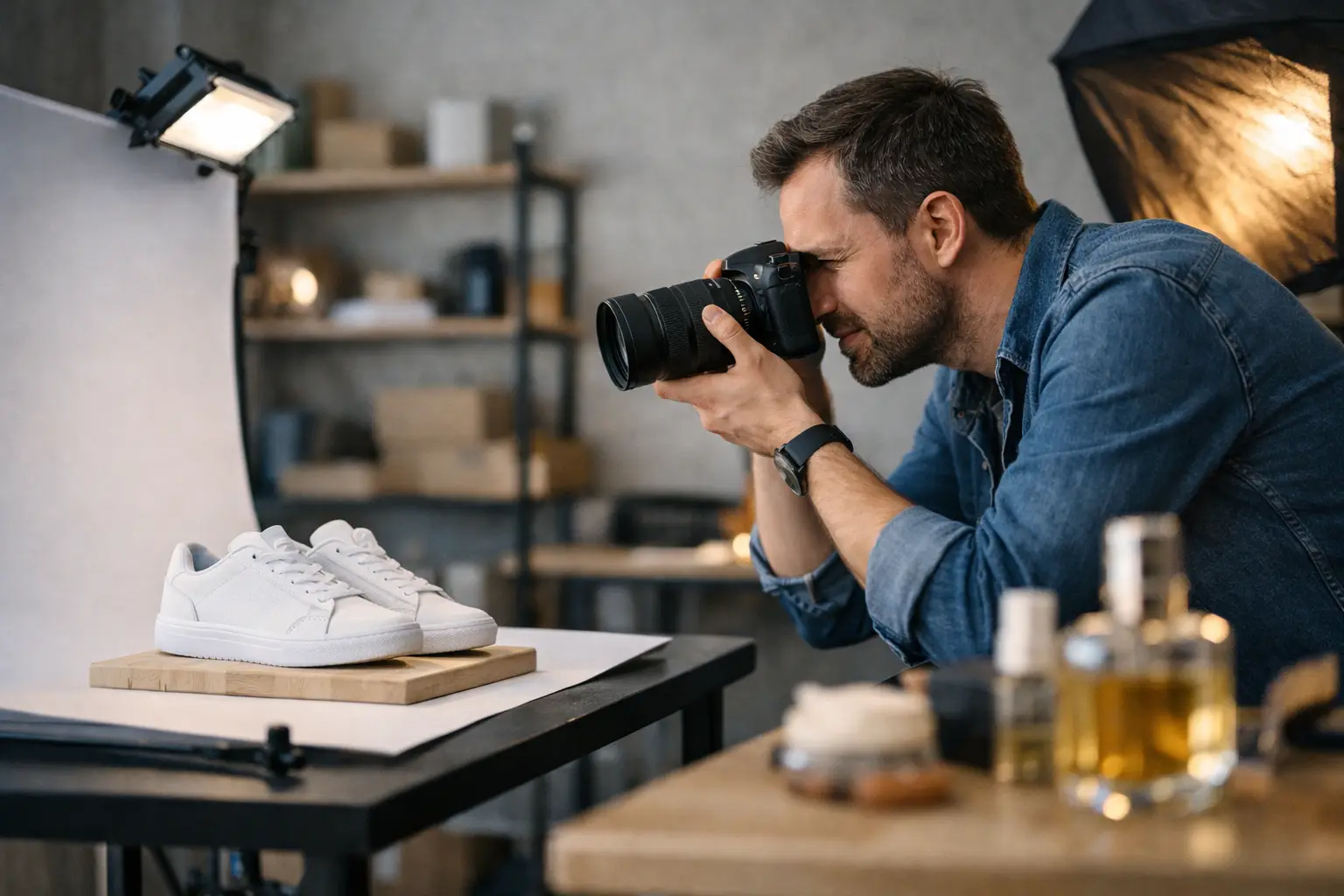
Start with what the customer needs to know
Before choosing a background, props or lighting style, decide what each photograph needs to communicate. This is where a lot of shoots go wrong. A business may arrive with a broad brief such as "we need some nice pictures", but nice isn't a useful measure when you're trying to sell something.
A straightforward ecommerce image needs to show shape, colour, scale and key details with very little distraction. A campaign image has more room to create a mood, show a lifestyle or introduce personality. You'll often need both: the clean cut-out image gets the product understood; the more styled picture gives people a reason to want it.
Think about the objections a buyer might have. If a handbag has an unusually useful internal layout, show it open. If a ceramic mug has a distinctive handmade glaze, get close enough to reveal the texture. If a supplement comes in a small tub, include a considered scale reference in a lifestyle shot. Good images reduce uncertainty rather than leaving customers to guess.
It also helps to map out where the photographs will appear. A square website thumbnail, a wide homepage banner, a printed brochure and a social post don't all need the same crop. Planning this upfront avoids discovering later that the one image everyone likes doesn't fit the space it was made for.
Product photography needs consistency, not just good shots
One polished hero image won't rescue a product page filled with uneven photographs. Customers notice when colours shift, shadows change direction or one item appears much larger than another. It makes a range feel less considered, even when the products themselves are excellent.
Consistency starts with a repeatable set-up. For catalogue work at Dock Street we keep the lighting position, camera height, lens choice and background treatment controlled, then make careful adjustments for products with different shapes or finishes. Shooting tethered to the studio's 5K iMac means you can check that a clothing range, collection of bottles or set of homewares is holding together frame by frame, not after the fact.
That doesn't mean every image should be identical. A strong product page usually benefits from a mix: a clear front view, another angle, a close detail, an image showing scale or use, and perhaps a styled image that carries the brand feeling. The visual language stays consistent, but each frame has a purpose.
For businesses adding new products over several months, documenting the set-up matters. A reliable production process means the next batch can match the first, even if it's shot weeks later. This is particularly useful for growing ecommerce brands that can't photograph every item in one go — and it's a good reason to build a relationship with one studio rather than starting from scratch each time.
Colour is a practical issue
Colour accuracy isn't a minor finishing touch. If a customer orders a green jumper that arrives looking much bluer than it did online, the result may be a return, a complaint and a loss of confidence. The same applies to paint, cosmetics, fabrics, packaging and food.
Studio flash gives us control — our Elinchrom and Godox strobes deliver consistent, repeatable output shot after shot — but correct colour also depends on a managed editing workflow and sensible expectations. Screens vary, and a metallic surface changes character under different light. We aim for a faithful, appealing representation rather than an artificial version that looks impressive on one monitor and disappointing in real life.
Lighting should suit the material
There's no single lighting recipe for every product. A soft, broad light may be ideal for a matte skincare bottle but make polished jewellery look flat. Glassware needs careful shaping to define its edges. Black products need separation from a dark background without losing their deep tone. Reflective packaging can show every light, camera and person in the room if it isn't handled properly.
This is why professional product photography is less about pressing a button and more about controlling reflections and contrast. The work happens in small adjustments: moving a light slightly, adding a flag to block an unwanted reflection, changing the angle by a few degrees, or supporting an item so it sits naturally. Having more than fifteen modifiers on hand — softboxes, umbrellas and beauty dishes from 40cm to 135cm — means the light can be matched to the material rather than forced into a house style.
Food presents its own challenges. It may need to look fresh without appearing overworked, and it can deteriorate quickly under hot lights — one advantage of flash over continuous sources. Fashion accessories may need invisible support, steaming or careful styling. Liquids, creams and shiny surfaces require patience. These aren't reasons to overcomplicate a shoot; they're reasons to allow enough time to do it properly.
Space helps too. Dock Street's 450 sq ft floor means we can usually keep a controlled product corner alongside a small styled set, shoot the clean ecommerce frames first, then move into the creative images without tearing everything down and starting again. If you want to understand how the space works in practice, our guide to photography studio hire with lighting covers it in detail.
Styling adds value when it supports the product
Props can give a photograph context, but they can also become clutter. We've all seen images where the product is somewhere behind a pile of leaves, fabric, cups and random objects. If customers have to hunt for the thing you're selling, the styling has gone too far.
The right approach depends on the brand and audience. A premium candle may work well with a restrained arrangement that suggests a calm home setting. A children's product might need energy, colour and a sense of play. A trade supplier selling components may be better served by clean, precise images that show function without any fuss. You can see the range of approaches across client work in our gallery.
Bring props only when they have a reason to be there. They can show scale, suggest a use case, reinforce a seasonal campaign or introduce brand colours. They shouldn't be there merely because a styled shoot feels like it ought to have props.
If you're supplying products for a shoot, send more than the exact number needed where possible. Packaging can arrive marked, food can bruise, and one sample may have a small imperfection that becomes obvious under studio lighting. Extra stock gives everyone breathing room and prevents a minor issue holding up the day.
Don't underestimate preparation
The camera sees things the eye overlooks. Dust, fingerprints, creased labels, loose threads and tiny scratches all show up in a high-resolution image. Retouching is part of the process, but it's quicker and better to start with products that are clean, complete and ready to photograph.
Before the shoot, check that labels are straight, all versions of the packaging are final, batteries are fitted where relevant, and products can be assembled correctly. If there are several colours or sizes, make a simple shot list. It prevents the classic end-of-day question: "Did we photograph the navy one?"
For products that need styling or assembly, someone from your team can be valuable on the day. They know the product better than anyone. We direct the photography and make it look right in frame; they spot whether a clasp, ingredient, fold or component is positioned as it should be. Getting stock in is straightforward too — there's loading on site, lift access for bulky items, and parking for one or two cars can be arranged in advance.
It's also worth agreeing the level of retouching beforehand. Basic clean-up, dust removal and colour correction are normal. Extensive rebuilding, label replacement or complex compositing needs more time. Being clear about that from the outset keeps the budget realistic and avoids surprises.
Build an image library, not a one-off shoot
The best return from a product shoot comes when the images work hard in more than one place. A hero image may lead a product page, but a detail crop could become an email banner, a square version could support a social post, and a wide crop might work for a retailer presentation.
That doesn't mean asking one photograph to do everything. It means planning a useful set of assets while the product, lighting and team are already in place. We discuss the priority channels before a shoot so the framing and deliverables match the real needs of the business.
For a new brand, start with the products that drive the most revenue or best explain what you do. For an established range, focus on the gaps that make the website feel inconsistent. You don't always need a huge campaign to make a visible improvement — sometimes a well-organised day photographing a core collection is the sensible first move. It's an approach clients rate highly: Dock Street holds a 5-star Google rating across more than 70 reviews, which you can read on our Google Business profile or our reviews page.
Good product images should make a customer pause for the right reason: because they can clearly see what they're buying and can imagine it in their life. Bring us the products, the priorities and a rough idea of where the images need to work — book studio time online or get in touch and we'll turn it into a shoot that's practical, properly lit and built around selling the real thing.
About the Author
Mark Wheelwright is a commercial and headshot photographer based in central Leeds, with over twelve years' experience shooting brands, products, people and events. He owns and runs Dock Street Studio, one of the best-equipped photography studios in central Leeds, where he works with businesses across Yorkshire on campaign, ecommerce and portrait photography, alongside video and podcast production. The studio holds a 5-star Google rating from more than 70 reviews, with clients consistently noting Mark's patient, relaxed direction on set. To discuss a project, contact the studio or book online.
Shot, written and built by the Dock Street team
Every guide on this blog comes from the team at Dock Street Studio — Mark behind the camera with 18+ years' experience, Nicole on styling and lighting, Beya on video and bookings and Austin keeping the site fast and findable. If you'd rather have us do it than read about it, book a session or explore our photography services in Leeds.